


Comprehensive Application of Calcium Carbonate in the Ink Industry
Calcium carbonate is primarily used as an inorganic pigment (filler) in the ink industry, accounting for 8% to 45% of ink composition. Ink-grade calcium carbonate, with nano-level ultrafine calcium carbonate as the core product, has gradually replaced traditional fillers such as aluminum hydroxide, barium sulfate, and zinc barite.

Three Major Varieties and Selection Guide
The main types of calcium carbonate used in the ink industry are nano calcium carbonate, light calcium carbonate, and heavy calcium carbonate, among which nano calcium carbonate is the absolute mainstream.
Nano Calcium Carbonate (Core variety for Ink)
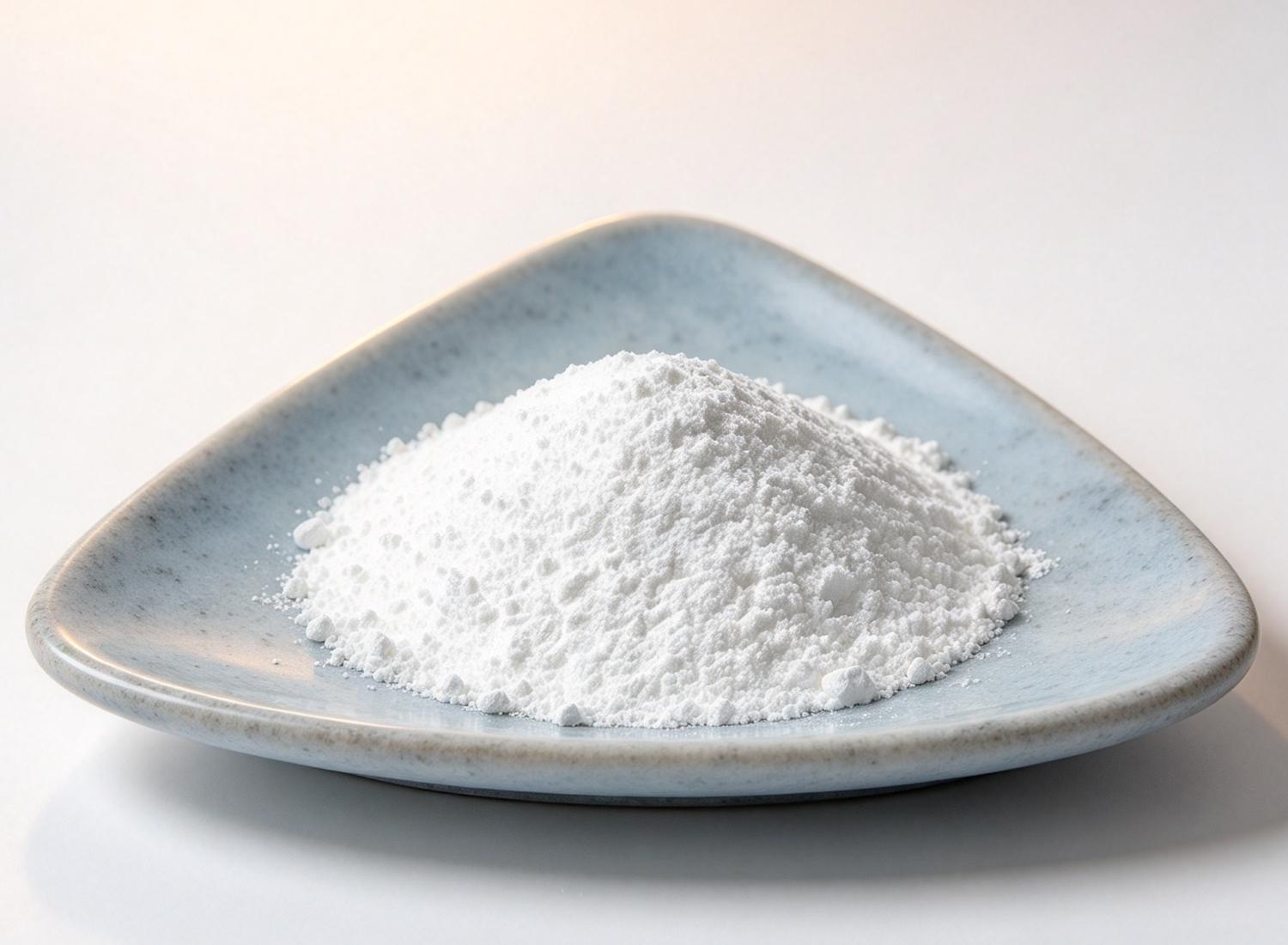
The particle size ranges from 0.01 to 0.1 μm (10 to 100 nm) and becomes oil-loving and water-repellent after surface modification. Ink-grade nano calcium carbonate mainly includes two categories: translucent and transparent, both in cubic form, treated with resin acid on the surface.
Performance focus: Translucent ink calcium (average particle size about 60nm): the most commonly used in resin ink, easy to disperse, and has good wear resistance; Transparent ink calcium (with an average particle size of about 30nm): used for resin based glossy offset printing ink, with high transparency and gloss.
Light Calcium Carbonate (Precipitated Calcium Carbonate)
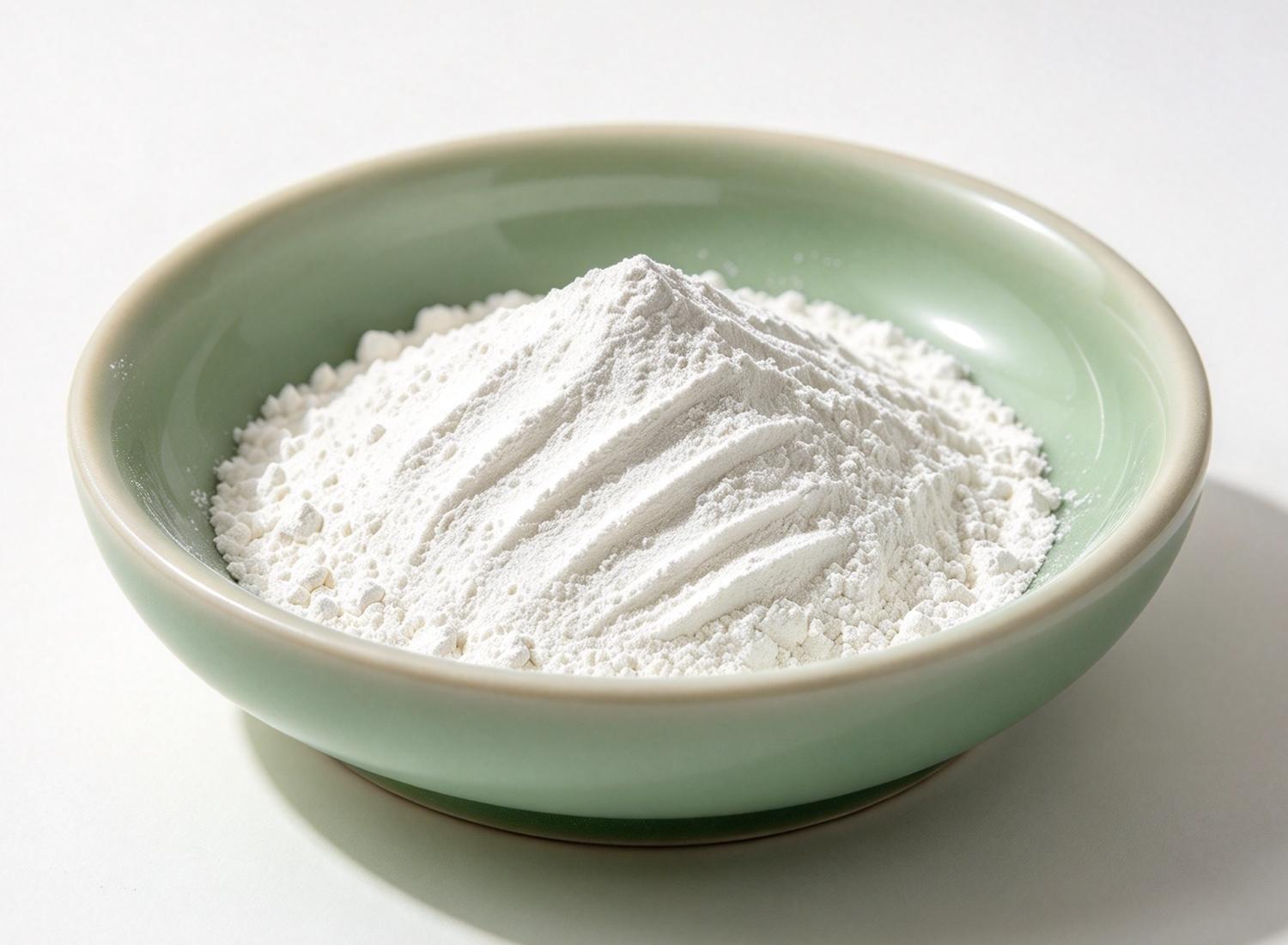
Produced by chemical precipitation method, also known as gelatinous calcium carbonate or caustic calcium carbonate.
Core features: good body and bones, relatively soft; Good stability; The particles are small, ensuring smooth imprints and complete network points. It exhibits excellent dispersibility, gloss, and coverage in ink, as well as excellent ink absorption and drying properties.
Heavy Calcium Carbonate
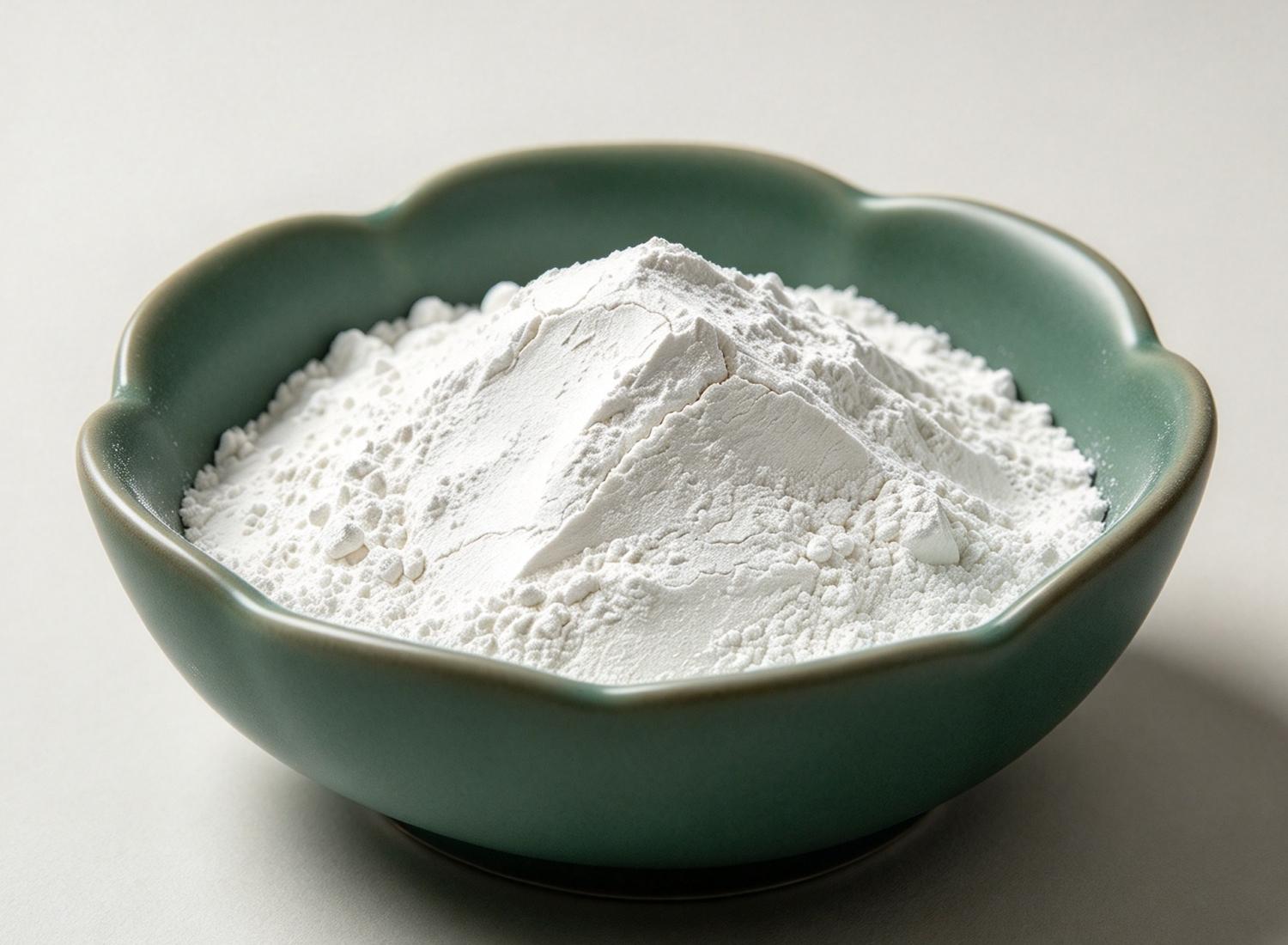
Made by physical grinding of natural ores, it mainly plays a role in filling and reducing costs in ink. Can improve whiteness, coverage, weather resistance, and regulate rheology.
The Core Function of Calcium Carbonate in Ink
Adjust the Physical Properties of Ink
Nano calcium carbonate can adjust the physical performance indicators of ink such as ink properties, color, concentration, and viscosity, making the ink have good printability, leveling, and adhesion. Adjustable ink permeability and dryness. Ink has good body structure and viscosity, and performs stably in high-speed printing.
Enhance Gloss and Transparency
Nano calcium carbonate has small particle size and good dispersibility, which can endow ink with extremely high glossiness and transparency. Used in ink products, it exhibits excellent dispersibility, transparency, and excellent gloss. The glossiness is equivalent to that of products filled with aluminum barium white.
Improve Printing Quality
Fine particles make the printed product smooth and the dots complete, improving the smoothness of the ink. Nano calcium carbonate can significantly improve the adhesion of ink and reduce mechanical wear.
Quick Drying and Ink Absorption
Nano calcium carbonate has excellent ink absorption and high dryness, which helps improve the fast drying performance of ink. Good stability, fast drying, and no adverse effects.
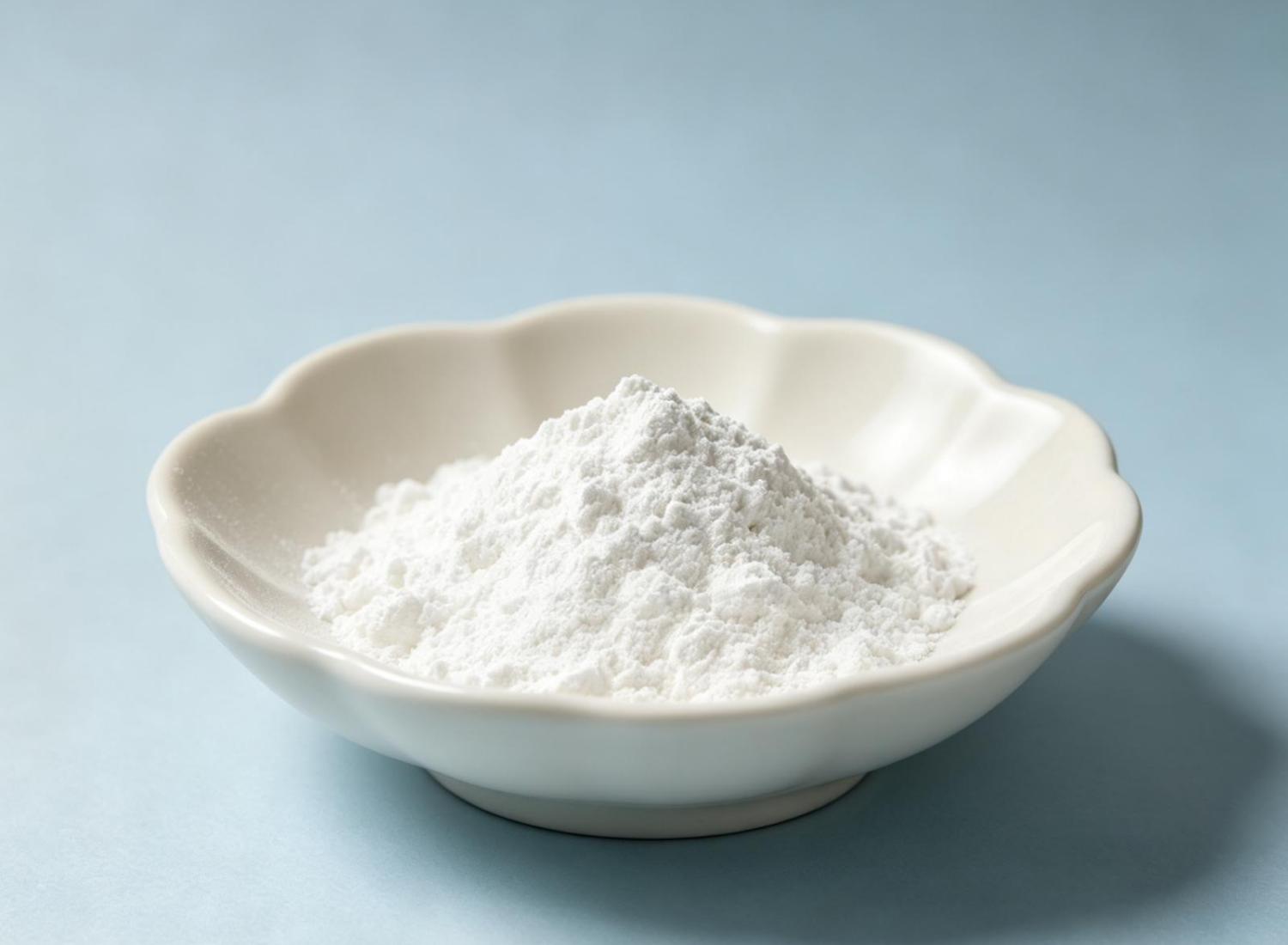
Reduce Costs
Calcium carbonate can replace higher priced colloidal calcium and is an excellent additive material in high-end inks. It can replace some titanium dioxide in white ink, reducing costs while improving whiteness and coverage.
Improve Stability
The excellent stability of nano calcium carbonate in resin ink is unmatched by other fillers. It does not affect the drying performance of printing ink and has strong adaptability.
Typical Application Scenarios and Usage
Offset Printing Ink (Primary Application)

Nano calcium carbonate is mainly used in the offset printing ink industry, including resin based ordinary offset printing ink and resin based fast curing glossy offset printing ink. High end offset printing ink uses nano calcium carbonate particles with a diameter of 20-40nm, and the ink produced meets high-end requirements in terms of transparency, gloss, and flowability.
Gravure/Relief/Flexographic Ink
Nano calcium carbonate is suitable for offset printing ink, gravure printing ink, relief printing ink, flexographic printing ink, orifice printing ink, etc.
Water Based Ink (Emerging Direction)

With the increasing demand for environmental protection, the water-based ink market is gradually expanding. Water based inks filled with lightweight calcium carbonate are expected to have a wider range of applications in the future. Nano calcium carbonate has been applied as a composite filler in water-based ink compositions for flexographic printing.
Typical Formula Reference

News ink: Calcium carbonate about 8%
High concentration calcium carbonate planographic ink: The calcium carbonate content in calcium carbonate diluted ink is 30%~45%
Pure natural ink: 15-25 parts of calcium carbonate
Edible ink: Calcium carbonate ≥ 26wt%