Leave Your Message
So, why would you want to choose Calcium Oxide Lime for your global sourcing needs? Well, let’s start with the facts, not just marketing hype. According to the U.S. Geological Survey’s Mineral Commodity Summaries 2024, the world produced about 430 million metric tons of lime in 2023, and China’s got the biggest chunk of that. That kind of volume shows there’s a pretty huge manufacturing capacity out there, but hey, it doesn’t automatically mean the quality’s always up to snuff. In 2023, the World Steel Association’s report—called World Steel in Figures—says roughly 1.9 billion metric tons of crude steel were made. Steelmakers use lime to help control impurities and form slag, so it’s pretty essential. Plus, industries like water treatment, construction, mining, and chemicals also rely heavily on it. Basically, having a diverse range of suppliers worldwide can help ensure a steady supply, easier access to quarries, and more flexible shipping options.
But here’s the thing—sourcing globally isn’t always the cheapest route. Calcium Oxide Lime can be pretty sensitive to moisture, reactive, and transporting it over long distances can get pricey. When you’re picking a supplier, you’ll want a clear spec sheet that covers stuff like available CaO and MgO levels, reactivity times, particle size, loss on ignition, trace elements, and packaging types. Getting independent lab tests and recent certificates of analysis for each batch is also a smart move. The European Lime Association points out that the chemistry of the limestone and how it’s processed in the kiln really affect the lime’s performance. So, don’t just look at the price quoted—make sure to compare the actual delivered costs. And hey, let’s not forget about carbon footprint; calcining limestone releases CO2, which is worth considering as we look towards greener options. The International Energy Agency recommends focusing on efficiency improvements, switching to cleaner fuels, and capturing carbon to make lime production more sustainable. Still, data on all this can sometimes be incomplete, which is why it’s important to verify claims through audits, samples, and maybe even trial shipments. Starting small with a pilot batch can help uncover potential issues like settling or dust problems before you get into a bigger contract—that’s just smart, responsible sourcing.
Why Choose Calcium Oxide Lime for Global Sourcing?
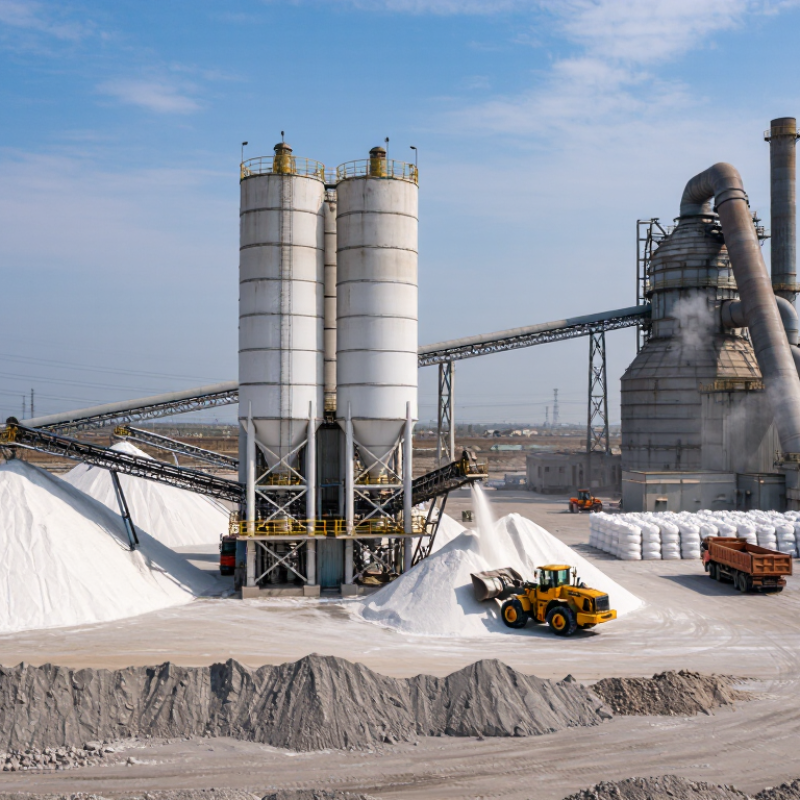
Calcium oxide lime, commonly called quicklime, is a reactive mineral made by heating limestone. This process removes carbon dioxide and leaves calcium oxide, or CaO. It differs from hydrated lime, which forms after water is added. The difference matters because quicklime reacts strongly with moisture and produces heat. Calcium Carbonate Calcium Oxide are connected materials, but they are not interchangeable in industrial use. Calcium carbonate is the original limestone form, while calcium oxide is its processed product. In real sourcing work, material certificates should show available CaO, reactivity, particle size, and moisture content. A clean white appearance helps, but it does not prove quality.
Tips: Keep quicklime sealed during storage. Even humid air can reduce its performance. Check packaging strength before shipment, especially for long-distance transport. Ask for recent laboratory results, not only general product descriptions. A small sample test can reveal unexpected reactivity differences between batches. It is easy to overlook this step.
For global buyers, consistent specifications support safer handling and steadier production. Fine powder may react faster, while larger pieces can suit controlled feeding systems. The correct grade depends on the application, equipment, and delivery conditions. One practical lesson is simple: the cheapest shipment may create hidden costs through dust, waste, or uneven reaction. Specifications should be reviewed with a qualified technical professional before purchasing. Even experienced teams can miss moisture exposure during transit. That mistake is avoidable.
| Data Dimension | Typical Information | Global Sourcing Relevance |
|---|---|---|
| Common Name | Calcium oxide lime, quicklime, burnt lime, or unslaked lime | The different names help buyers align product searches, technical documents, and customs descriptions. |
| Chemical Formula | CaO | A simple chemical identity supports consistent specification reviews across international suppliers. |
| CAS Registry Number | 1305-78-8 | Useful for safety documentation, regulatory checks, and international purchasing records. |
| Molar Mass | 56.08 g/mol | Provides a standard reference for stoichiometric calculations and process design. |
| Production Method | Produced by heating limestone, primarily calcium carbonate (CaCO3), at approximately 900–1,200 °C to release carbon dioxide. | The calcination process determines reactivity, available lime, residual carbonate, and overall product consistency. |
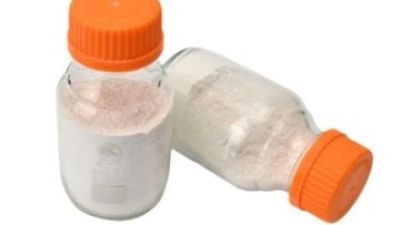
| Physical Appearance | White to gray or brownish solid; supplied as lumps, granules, or powder depending on processing. | Particle form affects loading, dust control, dissolution rate, storage, and application efficiency. |
| Typical Available Lime Content | Commercial grades commonly specify approximately 85–95% available CaO; exact values vary by grade and test method. | Buyers should compare available CaO rather than relying only on total product weight. |
| Reactivity | Reacts exothermically with water to form calcium hydroxide: CaO + H2O → Ca(OH)2. | Reactivity testing is important when rapid hydration, temperature control, or short processing times are required. |
| Moisture Sensitivity | Calcium oxide absorbs moisture and carbon dioxide from air, gradually forming calcium hydroxide and calcium carbonate. | Water-resistant packaging, covered storage, and appropriate handling are essential during long-distance transport. |
| Bulk Density | Often approximately 0.8–1.2 t/m3, depending on particle size, porosity, and compaction. | Bulk density supports container planning, silo design, freight calculations, and storage capacity estimates. |
| Main Industrial Uses | Steelmaking flux, construction materials, water and wastewater treatment, flue-gas treatment, mining, pulp and paper, and chemical manufacturing. | Broad industrial demand can support flexible sourcing strategies and multiple end-use markets. |
| Water Treatment Function | Raises alkalinity and pH, softens water, and assists in the precipitation of certain dissolved impurities. | The required grade should match local drinking-water, wastewater, or industrial-treatment regulations. |
| Steelmaking Function | Acts as a flux to combine with acidic impurities and help form slag during steel production. | Consistent reactivity, low impurity levels, and suitable sizing can improve process control. |
| Flue-Gas Treatment | Used to neutralize acidic gases, including sulfur dioxide, in selected emission-control processes. | Sourcing decisions should consider reactivity, particle size, dosing equipment, and environmental requirements. |
| Common Packaging Formats | Bulk tankers, bulk bags, multi-wall bags, or sealed smaller bags, depending on volume and handling facilities. | Packaging should protect against humidity and comply with destination-country transport and labeling rules. |
| Storage Conditions | Store in a dry, well-ventilated area, protected from water, humidity, incompatible acids, and unnecessary exposure to air. | Proper storage reduces quality loss, premature hydration, handling problems, and avoidable material waste. |
| Safety Classification | Corrosive and strongly alkaline; contact with water generates heat and can cause serious eye or skin damage. | International buyers should review the current safety data sheet, handling instructions, and destination regulations before shipment. |
| Key Quality Tests | Available CaO, residual CaCO3, magnesium oxide, silica, iron oxide, sulfur, moisture, particle size, and slaking or reactivity performance. | A defined test package makes supplier comparisons more objective and reduces the risk of receiving unsuitable material. |
| Why Choose It for Global Sourcing? | High alkalinity, fast reaction with water, multiple industrial applications, and availability in several physical forms. | Its standardized chemistry and broad utility make calcium oxide lime a practical material for international procurement when quality, packaging, logistics, and compliance are controlled. |
China Supplier Factory Guide to Slaked Lime for Environmental Protection and Industrial Applications
Calcium hydroxide, commonly known as slaked lime, is a versatile industrial material supplied in 1,000 kg packaging for efficient bulk handling. According to the UN World Water Development Report 2024, approximately 2.2 billion people lacked safely managed drinking water in 2022, highlighting the continuing importance of reliable water and wastewater treatment solutions. Slaked lime supports these systems by adjusting pH, neutralizing acidic wastewater, removing impurities, and conditioning sludge before further processing.
In environmental applications, this China-supplied product is widely used for sewage treatment, sludge conditioning, and flue gas desulfurization. Its alkaline properties also make it valuable in leather processing, construction materials, paint production, nonferrous metal smelting, feed additives, calcium-based grease, dyes, and refrigerant manufacturing. Industry guidance, including the U.S. Environmental Protection Agency’s wastewater treatment references and European Best Available Techniques documents, recognizes lime-based reagents as established tools for pH control and pollutant reduction.
For industrial buyers, factory-direct sourcing can simplify procurement and support consistent supply. Shipments are available from Qingdao Port, with flexible terms including EXW, FOB, FCA, CFR, CIF, CPT, and DDP. These options allow importers, contractors, and processing plants to select delivery arrangements that match their logistics requirements and project schedules.
Calcium oxide lime, or quicklime, is made by heating limestone. This removes carbon dioxide and leaves calcium oxide.
Quicklime is calcium oxide before water is added. Hydrated lime forms after water reacts with quicklime. They are not interchangeable.
Quicklime reacts strongly with humid air and water. The reaction releases heat and may create steam. Moisture changes everything.
Keep bags sealed, dry, and raised above the floor. Protect them from humid air, rain, and damaged packaging.
Request recent laboratory results, batch numbers, test methods, and certificates of analysis. Check CaO content, reactivity, particle size, and moisture.
No. A white powder may still contain moisture or vary in reactivity. Looks can mislead.
Fine powder may react faster and create more dust. Larger pieces can support controlled feeding systems. The application decides the suitable grade.
Use sealed eye protection, suitable gloves, dust control, and dry storage. Contact with water can produce heat and caustic material.
Confirm current safety documents, hazard labels, packaging rules, and transport requirements. Local regulations may differ significantly.
A small sample can reveal unexpected batch differences. I would not rely only on a supplier’s general description. Mistakes happen.
Calcium Oxide Lime, commonly known as quicklime, is an inorganic material produced by heating limestone or other calcium carbonate sources at high temperatures. This process removes carbon dioxide and creates a reactive substance with strong alkaline properties. Its high calcium content, moisture reactivity, and ability to generate heat when mixed with water make it valuable across many industries. Depending on processing methods and raw material quality, Calcium Oxide Lime can be supplied in different grades, particle sizes, and packaging formats.
Global sourcing can provide access to reliable raw materials, consistent production capacity, and flexible supply options for construction, steelmaking, water treatment, chemical processing, soil improvement, and agricultural applications. In farming, it may help adjust soil acidity and support nutrient management when used responsibly. Buyers should evaluate chemical purity, available calcium oxide content, particle size, moisture levels, storage stability, and product documentation. Safe handling requires protection from dust and moisture because the material is caustic and reacts strongly with water. Compliance with applicable transportation, workplace, environmental, and product regulations is also essential.