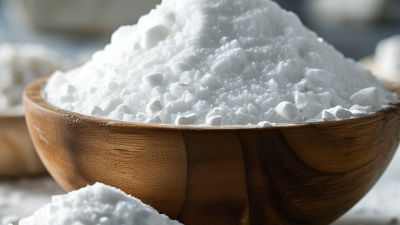
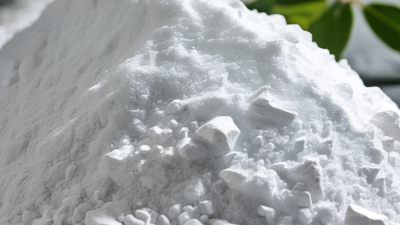
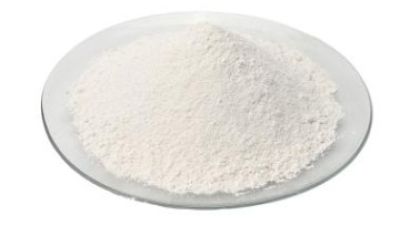
You know, when people talk about Carbon Carbonate, it’s often used as a pretty broad term in commerce, but honestly, it’s worth taking a second to clarify exactly what they mean. In the world of technical stuff, what many folks are really talking about is calcium carbonate—CaCO3—a mineral you probably know from limestone, marble, chalk, or even those little marine shells. The thing is, the phrase sounds super precise, but in reality, it’s not always quite accurate. That small difference can make a big impact, especially when engineers are comparing grades, suppliers, and how well a product performs.
Professor John L. Provis, a well-respected expert in cement and construction materials, has a good rule of thumb: 'The right chemistry must be matched to the right application.' That’s a pretty solid principle, and it’s part of what’s guiding this whole intro. Carbon Carbonate can come in different forms—like a fine white powder, a granular filler, or even a treated industrial material. And the way it’s processed, its particle size, can influence things like brightness, viscosity, strength, and how it feels on the surface. Plus, moisture and storage conditions matter a lot—if it’s not stored properly, performance can suffer.
Big companies like Omya, Imerys, and Minerals Technologies use calcium carbonate in all sorts of products—paints, plastics, paper, adhesives, sealants, you name it. For example, in plastic pipes, it can lower costs and make the material stiffer. In the paper industry, it’s all about improving opacity and print quality. In paints, it helps with coverage and texture. But here’s the thing: the final results really depend on the purity, particle shape, coatings, and how it’s dispersed. That means one set of specs won’t cut it for every single product.
If you’re buyers out there, a good tip is to ask for test data, safety info, and specific recommendations based on your application. Lab testing is definitely still essential. Sometimes, your first go at formulation doesn’t quite work out—nothing unusual there. It might come down to poor dispersion, moisture issues, or maybe your performance expectations were a bit too ambitious. To really get a handle on Carbon Carbonate, you’ve gotta look at the mineral itself, how it’s processed, and how you're planning to use it—all together. That’s how you get the best results.
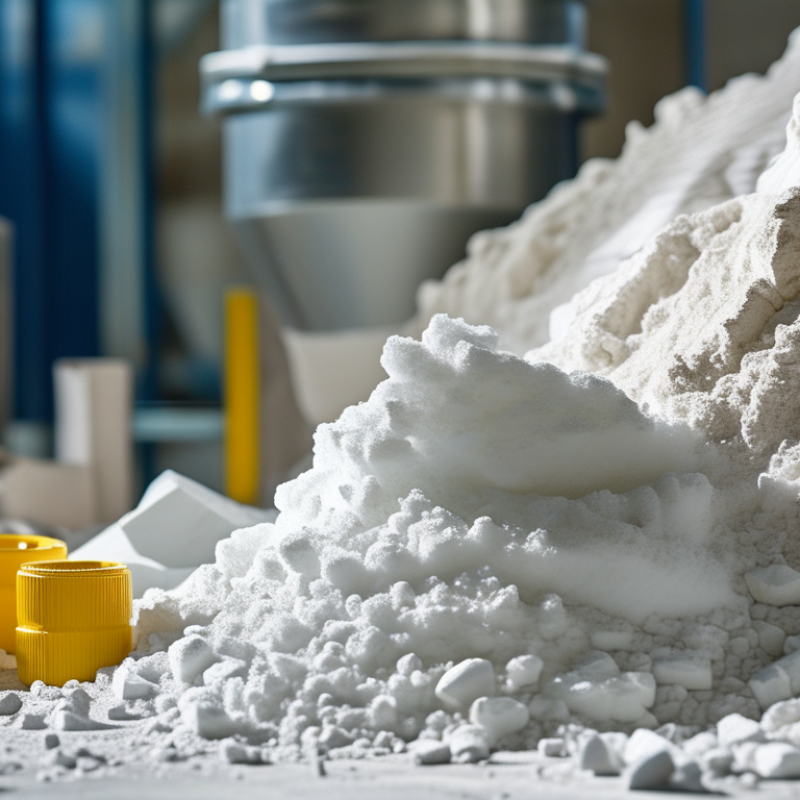
Carbon carbonate is often used as an informal, incomplete name for calcium carbonate. The accepted chemical formula is CaCO3. It contains calcium, carbon, and oxygen. You can find it in limestone, chalk, and many seashells. Its powder is usually white, while natural rock may appear gray, cream, or pale yellow.
The chemistry becomes clearer when carbon dioxide dissolves in water. This process forms carbonic acid, which can react with calcium ions. Calcium carbonate then develops as a solid mineral. Searchers may describe this process as “Calcium Carbonate Carbon Dioxide,” although that phrase is not a formal chemical name. The material can also dissolve when rainwater becomes mildly acidic. This slow reaction helps shape caves and underground channels.
Calcium carbonate is used in construction, paper production, ceramics, agriculture, and water treatment. Finely ground particles can add brightness or improve texture. Larger pieces may become building stone or decorative aggregate. In a simple classroom test, vinegar placed on limestone creates visible bubbles. Those bubbles are carbon dioxide escaping from the reaction. The result is easy to observe, but the explanation is not always simple. Purity, particle size, moisture, and temperature can change the outcome. I once thought every white carbonate powder behaved alike. That assumption was too broad. Safety data and technical specifications still matter, especially when the material is handled in a workplace.
What Is Carbon Carbonate and How Is It Used?
Chemical Structure and Core Properties
“Carbon carbonate” is not a precise scientific term. In practice, it usually refers to carbonate compounds, especially calcium carbonate.
The carbonate ion contains one carbon atom and three oxygen atoms. Its formula is CO₃²⁻. The structure is trigonal planar, with bond angles close to 120 degrees. Resonance spreads the negative charge across the oxygen atoms. This makes carbonate minerals chemically stable, yet reactive under heat and acidic conditions.
Calcium carbonate occurs naturally in limestone, chalk, and marble. Calcite has a density near 2.71 grams per cubic centimeter. At atmospheric pressure, it decomposes near 825°C, producing calcium oxide and carbon dioxide. Small changes matter. Particle size, crystal form, and purity can alter its performance significantly.
Industrial users value calcium carbonate as a mineral filler. It can improve stiffness, opacity, brightness, and dimensional stability in paper, coatings, plastics, and sealants. Construction remains a major application. The U.S. Geological Survey reported approximately 1.5 billion metric tons of crushed stone production in 2024, with limestone and dolomite supplying the largest share (USGS, Mineral Commodity Summaries 2025).
The chemistry also carries an environmental cost. Calcining carbonate releases process carbon dioxide before fuel emissions are counted. The International Energy Agency estimates cement production contributes about 7% of global carbon dioxide emissions (IEA, Cement, 2023). That figure is broad, not perfect. It also shows why carbonate selection, recycling, and lower-temperature processing deserve closer attention.
Carbon carbonate is not a single, widely recognized mineral name. In geology, the term usually points to carbonate minerals, which contain carbon, oxygen, and a metal such as calcium or magnesium. These minerals form naturally through water, weathering, biological activity, and geological pressure. Calcium carbonate is especially common in limestone, chalk, marble, shells, and coral skeletons.
The process often begins with carbon dioxide entering rainwater. This slightly acidic water moves through soil and dissolves rocks containing calcium. Later, the dissolved material can settle in lakes, shallow seas, or underground caves. When conditions change, calcium carbonate crystallizes into pale deposits. Thin cave curtains, rough stalactites, and shell fragments show this process clearly. Marine organisms also build shells by extracting carbonate from seawater. Over long periods, their remains can become compacted limestone.
Volcanic activity adds another pathway. Heated fluids can carry carbonate-rich minerals through cracks in the Earth’s crust. Pressure and temperature may then transform limestone into marble. Carbonate minerals are not the same as elemental carbon. Carbon Powder, for example, may contain mostly carbon rather than carbonate compounds. That distinction matters in laboratory testing and industrial handling. Natural formation is also less tidy than textbook diagrams suggest. Impurities, changing water chemistry, and local temperature can alter color, texture, and crystal shape. More field evidence is sometimes needed before identifying a sample confidently.
Carbon carbonate usually refers to carbonate minerals formed when Carbon Dioxide reacts with calcium, magnesium, or other alkaline materials. Calcium carbonate is the most common example. It appears as limestone, chalk, and fine white powder. Its uses include construction fillers, paper coating, plastics, paints, and water treatment.
Methods for producing carbon carbonate vary by feedstock. In the conventional route, limestone is crushed and heated to produce calcium oxide. Water then forms calcium hydroxide, which reacts with Carbon Dioxide in a controlled reactor. The resulting precipitated calcium carbonate has small, adjustable particles. Process temperature, moisture, and gas flow affect its brightness and crystal shape. Small changes matter.
A lower-emission approach is mineral carbonation. Alkaline wastes, such as steel slag or concrete fines, are exposed to Carbon Dioxide through gas-solid, aqueous, or pressure-assisted methods. The material can become stable carbonate, but impurities may reduce product quality. The International Energy Agency reports that cement production causes roughly 2.5 gigatonnes of direct CO2 emissions annually, making residue carbonation worth examining. However, not every captured gas source is clean. The U.S. Geological Survey estimated U.S. crushed stone output near 1.9 billion metric tons in 2023, showing the scale of available mineral feedstock. Still, quarrying, grinding, and heating consume energy. The balance is easy to overstate.
Carbon carbonate usually refers to carbonate-based materials, especially calcium carbonate, with the formula CaCO3. It occurs naturally in limestone, chalk, and marble. Its value comes from availability, brightness, hardness, and controlled particle size. Manufacturers process it into powders, granules, or slurry for different industrial needs.
Construction remains a major application. Calcium carbonate helps produce cement, concrete, tiles, and wall coatings. Glass production also uses it to improve material stability during heating. In paper, paint, and plastic products, fine carbonate particles can add whiteness, stiffness, and a smoother surface. Farmers may apply agricultural-grade limestone to reduce excessive soil acidity. Small changes matter. Purity and particle size can change performance, cost, and handling safety.
Everyday products use carbonate materials too. Toothpaste may contain calcium carbonate as a gentle polishing ingredient. Some approved medicines use it as a calcium source or antacid, under appropriate professional guidance. Carbonate should not be confused with Activated Carbon. Activated Carbon has a highly porous structure and is mainly used for adsorption in water treatment, air purification, and industrial filtration. In practice, results can disappoint when moisture, contamination, or incorrect dosage is overlooked. Better testing is still needed in many small-scale applications, especially when local soil, water, or processing conditions vary.
“What Is Carbon Carbonate and How Is It Used?” is not a precise chemical name. In technical writing, carbonate usually means a compound containing the carbonate ion, CO3²⁻. Common carbonate materials include calcium carbonate and sodium carbonate. They appear in construction products, water treatment, ceramics, glassmaking, and some industrial processes. Their hazards differ by composition and concentration.
Safety depends strongly on particle size and exposure time. Fine carbonate dust can irritate the eyes, throat, and lungs, especially in poorly ventilated rooms. Workers should check the current safety data sheet before opening containers. Protective eyewear, suitable gloves, and dust control may be necessary. Avoid sweeping dry powder aggressively. A properly fitted respirator may be required during dusty tasks. Wet cleaning often reduces airborne particles.
The environmental impact begins before use. Mining carbonate minerals can alter landscapes, increase truck traffic, and disturb local habitats. Heating certain carbonates releases carbon dioxide, which adds to process emissions. Large discharges may also raise water alkalinity and affect aquatic organisms. The chemistry is simple. The footprint is not. Store materials in sealed, clearly labeled containers away from moisture and incompatible acids. Never pour leftover powder into drains without site approval. Disposal should follow local waste rules and facility procedures. Small handling mistakes deserve review, because routine materials can still create avoidable exposure.
| Material or Topic | Chemical Identity | Common Uses | Key Safety Considerations | Environmental Impact | Handling Recommendations | Storage and Disposal |
|---|---|---|---|---|---|---|
| Meaning of “carbon carbonate” | “Carbon carbonate” is not generally recognized as the standard name of one isolated chemical substance. In many contexts, the term may refer broadly to carbonate compounds. | Carbonate compounds are used in construction materials, glass production, ceramics, water treatment, agriculture, cleaning products, food processing, and manufacturing. | The hazard profile depends on the specific carbonate, concentration, particle size, impurities, and intended use. The exact chemical identity should always be confirmed before handling. | Carbonates occur naturally in minerals and can participate in the natural carbon cycle. Large releases may alter soil or water pH. | Check the product label and Safety Data Sheet (SDS). Do not handle an unidentified powder or solution as if it were a specific carbonate. | Keep the material in its original, clearly labeled container. Disposal requirements depend on composition, contamination, and local regulations. |
| Calcium carbonate |
Formula: CaCO₃ CAS No.: 471-34-1 Typical form: white powder, granules, limestone, chalk, or marble |
|
|
Generally has low acute aquatic toxicity, but excessive discharge can increase alkalinity and suspended solids. Mining and processing may disturb land and generate dust. Acid treatment releases carbon dioxide. | Use local exhaust ventilation where dust is generated. Wear safety glasses or chemical goggles, protective clothing, and a suitable particulate respirator when required by exposure assessment. | Store dry and protected from contamination. Prevent uncontrolled discharge to drains or waterways. Dispose of uncontaminated material according to local non-hazardous mineral-waste requirements. |
| Sodium carbonate |
Formula: Na₂CO₃ CAS No.: 497-19-8 Common name: washing soda or soda ash |
|
|
The substance does not normally persist as an organic pollutant, but substantial releases can raise the pH and dissolved salt content of water, potentially stressing aquatic organisms. | Avoid creating dust. Use protective eyewear and gloves when handling concentrated solutions or large quantities. Wash hands after handling and keep containers closed. | Keep dry and away from acids and incompatible chemicals. Do not wash large quantities into drains. Collect spills mechanically and follow local waste rules. |
| Potassium carbonate |
Formula: K₂CO₃ CAS No.: 584-08-7 Typical form: white hygroscopic powder or crystals |
|
|
It is expected to dissociate into potassium and carbonate or bicarbonate ions. High concentrations may cause local increases in alkalinity and salinity. | Prevent dust formation and contact with eyes. Use gloves, protective clothing, and eye protection. Provide ventilation and avoid handling near acids. | Store tightly closed in a dry, cool, well-ventilated area. Protect from moisture and acids. Dispose of residues in accordance with local requirements. |
| Magnesium carbonate |
Formula: MgCO₃ CAS No.: 546-93-0 Typical form: white powder or mineral solid |
|
|
Generally has low environmental persistence as a mineral salt. Excessive release may increase suspended solids or alter local water chemistry. | Use dust control, good ventilation, eye protection, gloves, and suitable respiratory protection when airborne concentrations may exceed applicable limits. | Store sealed, dry, and away from acids. Prevent unnecessary release to drains and surface water. Dispose of contaminated material as required by local regulations. |
| Reaction with acids |
General reaction: Carbonate + acid → salt + water + carbon dioxide |
Used intentionally in neutralization, pH control, mineral processing, and laboratory reactions. | Rapid acidification can produce carbon dioxide gas. In enclosed or poorly ventilated areas, gas accumulation may create an oxygen-displacement hazard. Avoid sealing a reacting mixture in a closed container. | Carbon dioxide is a greenhouse gas, although the amount released depends on the carbonate source and reaction conditions. Acidic drainage can also mobilize dissolved minerals and metals. | Add acids slowly under controlled conditions with ventilation. Use appropriate eye, face, hand, and body protection. Monitor temperature, foaming, and gas evolution. | Keep carbonates and acids segregated. Do not combine unknown waste streams. Follow site procedures for neutralization and gas management. |
| Dust and inhalation control | Applies mainly to powdered carbonate materials. Risk increases with fine particles, poor ventilation, and prolonged handling. | Relevant during bag opening, weighing, milling, blending, transfer, and cleanup. | Airborne dust may cause mechanical irritation and coughing. Repeated exposure to high dust levels may aggravate existing respiratory conditions. | Airborne dust can settle on soil, vegetation, equipment, and waterways. Preventing release reduces both environmental and workplace exposure. | Use closed transfer systems or local exhaust ventilation. Avoid dry sweeping and compressed-air cleaning; use vacuum collection designed for dust or damp-cleaning methods. | Keep bags and containers intact. Collect residues without generating dust and place them in sealed, labeled containers for appropriate disposal. |
| Spill response | The response depends on the specific carbonate, physical form, quantity, and whether it has contacted acids or other chemicals. | Prevents unnecessary product loss, dust generation, drain blockage, and environmental release. | Restrict access to the spill area. Wear appropriate personal protective equipment and avoid breathing dust. Do not use water if it could spread a contaminated or highly concentrated solution. | Keep spilled carbonate out of storm drains, groundwater, and surface water. Large releases may affect pH or suspended-solid levels. | Stop the source if safe. Use non-dispersive collection methods, place recovered material in suitable containers, and ventilate the area. | Do not return contaminated material to the original container. Label collected waste and manage it under applicable local requirements. |
| General environmental profile | Carbonates are inorganic salts. Their behavior depends on solubility, particle size, pH, temperature, and the associated metal or cation. | Benefits may include pH correction, reduced acidity, mineral replacement, and use as a lower-toxicity inorganic filler in suitable applications. | “Natural” or “inorganic” does not mean risk-free. Concentrated alkaline solutions, dust, and acid reactions still require controls. | Avoid uncontrolled large-scale releases. Assess effects on pH, alkalinity, salinity, suspended solids, sediment, and carbon dioxide generation where relevant. | Use containment, dust suppression, spill prevention, wastewater controls, and documented operating procedures. | Prefer recovery or reuse where technically and legally appropriate. Disposal decisions should be based on the actual material and any contamination. |
| Minimum handling checklist | Confirm the exact name, formula, concentration, grade, and SDS before use. | Select the correct grade for industrial, laboratory, agricultural, food, or pharmaceutical applications. | Use eye protection, gloves, suitable clothing, ventilation, and respiratory protection when a dust or splash assessment requires it. | Plan spill prevention and keep the material away from drains and waterways. | Keep containers closed, avoid dust clouds, separate acids, and wash hands after handling. | Follow the applicable SDS, workplace exposure limits, transport rules, and local waste regulations. |
China-manufactured Ground Calcium Carbonate (GCC) is gaining attention in the animal feed market as feed producers seek dependable calcium sources for livestock nutrition. High-quality GCC can support calcium supplementation, helping promote healthy bone development, shell strength in laying poultry, and balanced growth when used according to feed formulation requirements. Consistent particle quality and reliable supply are important considerations for manufacturers serving expanding regional markets.
Available in practical 25kg and 500kg packaging, the product can accommodate both smaller production lines and high-volume feed processing facilities. The 25kg bags are convenient for flexible handling and storage, while 500kg bags can improve loading efficiency and reduce packaging operations for larger orders. Supplied directly from a factory in China, the GCC is suitable for customers looking for stable specifications, organized export service, and packaging adapted to their operational needs.
Shipments can be arranged through Qingdao Port, with delivery terms including EXW, FOB, FCA, CFR, CIF, CPT, and DDP. These options allow buyers to select a logistics solution based on destination, freight arrangements, and import procedures. Careful packaging, coordinated documentation, and dependable scheduling help support smooth delivery to animal feed manufacturers and distributors.
Carbon carbonate usually refers to carbonate materials, especially calcium carbonate. It occurs naturally in limestone, chalk, and marble. It often appears as a white powder.
Limestone is crushed and heated to produce calcium oxide. Water converts it into calcium hydroxide. Carbon dioxide then reacts with the hydroxide inside a controlled reactor.
Temperature, moisture, and gas flow influence particle size, brightness, and crystal shape. Small changes matter. Purity also affects performance.
Mineral carbonation exposes alkaline materials to carbon dioxide. Steel slag and concrete fines can form stable carbonate materials. Gas-solid, aqueous, and pressure-assisted methods are possible.
It may reduce emissions by using alkaline industrial residues. However, grinding, heating, transport, and quarrying still consume energy. The environmental balance is easy to overstate.
They are used in cement, concrete, tiles, glass, paper, paints, plastics, and wall coatings. Fine particles can improve whiteness, stiffness, or surface smoothness.
Agricultural-grade limestone can reduce excessive soil acidity. Application rates should reflect local soil conditions. Too much material may create new problems.
No. Calcium carbonate is a mineral filler and alkaline material. Activated carbon has many pores and mainly supports adsorption. They perform differently.
Yes. Toothpaste may use calcium carbonate for gentle polishing. Some approved medicines use it as a calcium source or antacid, with professional guidance.
Moisture, contamination, and incorrect dosage can reduce results. Local soil, water, and processing conditions vary. Better testing is still needed.
Carbon Carbonate refers to carbonate-based compounds built around the carbonate ion, in which carbon is bonded with oxygen and combined with a metal or other positively charged element. These materials commonly form crystalline solids with useful properties such as stability, low solubility, whiteness, and the ability to react with acids. In nature, carbonate compounds occur in limestone, chalk, marble, shells, coral, and mineral deposits, often developing through geological processes or the accumulation of marine organisms.
Carbon Carbonate materials can be produced by mining and processing natural deposits or by controlled chemical reactions that precipitate purified carbonate crystals. Their applications include construction materials, paper, plastics, paints, ceramics, agriculture, water treatment, and household products. Safety depends on the specific compound and particle size: dust should not be inhaled, and suitable protective equipment and ventilation are recommended during handling. Although many carbonate materials are relatively low in toxicity, extraction and processing can consume energy and affect landscapes, so responsible sourcing, recycling, and emissions control are important.