inquiry
Leave Your Message
0%

When global buyers are on the hunt for Slaked Lime, they need more than just a hefty list of suppliers. It’s all about consistency—reliable chemistry, steady shipping, and solid proof behind every spec. You know, Slaked Lime (or calcium hydroxide) is used in water treatment, construction, mining, agriculture, and industrial processes—each one with its own requirements for purity, particle size, moisture control, and packaging. So, finding a supplier that checks all the boxes isn't always straightforward.

Professor John L. Provis, a respected figure in materials science, reminds us that “Material performance depends on chemistry, processing, and service conditions.” That’s a key point, especially when comparing big names like Graymont, Lhoist, Carmeuse, and Nordkalk. Their abilities can vary depending on where they’re based, their plant tech, the specific grade of lime, and how far they’re exporting. A trustworthy supplier should be able to provide a current certificate of analysis, detailed lime data, trace element info, safety docs, and clear delivery terms—nothing sketchy.

Little things really matter here—sealed one-ton bags, clean warehouse floors, well-maintained loading equipment, and protected containers during sea shipping can prevent costly delays. Also, don't just go for the cheapest option—pay attention to how the lime performs when hydrated, its bulk density, and particle size distribution. Those details matter. Sure, Slaked Lime Quick Lime might look similar online, but they’re not always interchangeable in every process.

Now, let’s be real—the comparison game isn’t perfect. Public info from suppliers can sometimes be incomplete, and quality can differ regionally. So, it’s worth digging deeper. This guide is all about focusing on real, verifiable technical data, how much experience the manufacturer has, their customer support, and their ability to reliably export. It’s designed to help buyers ask the right questions upfront before hitting that ‘buy’ button. Because, at the end of the day, performance is king. But don’t forget—cost still matters, too.
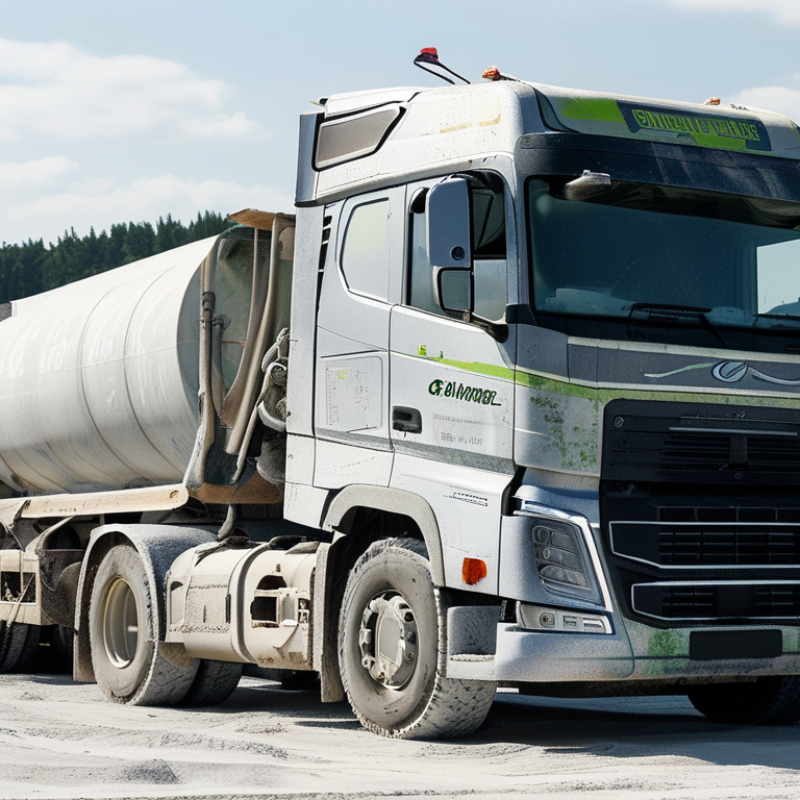
Top Slaked Lime Suppliers for Global Buyers

Slaked Lime: Definition, Properties, and Industrial Applications

Slaked Lime, also called hydrated lime, is calcium hydroxide, Ca(OH)₂. It forms when quicklime reacts with controlled amounts of water. The reaction releases heat, so industrial plants use enclosed hydrators and dust-control systems. The powder is alkaline, reactive, and only slightly soluble in water. A saturated solution can reach about pH 12.4 at room temperature.

Its properties explain its wide industrial use. In water treatment, Slaked Lime raises pH and helps remove hardness, metals, and suspended impurities. In construction, it improves mortar workability and supports gradual carbonation after application. Steelmakers use lime-based materials to remove acidic impurities from molten metal. It also serves paper, sugar processing, soil stabilization, and flue-gas treatment. The U.S. Geological Survey’s Mineral Commodity Summaries 2024 estimated U.S. lime production at approximately 17 million metric tons in 2023, showing the scale of this essential mineral industry.

Global buyers should check available calcium hydroxide content, magnesium levels, moisture, particle size, and packaging strength. Safety Data Sheets and test certificates matter. Storage conditions matter too. Humidity can cause caking and reduce handling efficiency. The European Chemicals Agency identifies calcium hydroxide as strongly irritating to skin and eyes, requiring suitable protective controls. One practical weakness remains: specifications may look comparable, but hydration quality can vary between batches. Independent testing is worth the extra time.

Key Quality Standards for Evaluating Slaked Lime Suppliers

Evaluating Lime Slaked suppliers requires more than comparing quoted prices. Buyers should check calcium hydroxide purity, available lime content, moisture, and insoluble residue. These figures should appear on a recent certificate of analysis, not only in a sales brochure. Particle size also matters. Fine powder supports faster reactions, while coarser material may suit controlled construction applications.

Reliable suppliers provide batch numbers, production dates, test methods, and traceable records. Ask whether testing follows recognized ASTM, EN, or equivalent national standards. A useful certificate should identify laboratory methods clearly. Heavy metal limits, packaging strength, and transport protection deserve attention too. A torn 25-kilogram bag can introduce moisture and contamination before delivery. Small details matter.

Requesting a representative sample is practical. Compare its color, flow, odor, and dispersion in water with the technical data. Industrial buyers should also review safety documentation, storage guidance, production capacity, and complaint procedures. An on-site or video audit can reveal whether quality checks are routine or merely promised. However, audits are not perfect. A polished facility visit may show only one production shift. That is why several batch records and independent test results are worth requesting. Suppliers with stable results, transparent communication, and realistic lead times usually support safer long-term purchasing decisions. Price still matters, but an unusually low offer may hide variable purity, weak packaging, or inconsistent reactivity. Be cautious.

Major Producing Regions and Global Supplier Profiles

Global slaked lime supply is concentrated near limestone reserves, reliable fuel, and established transport routes. China remains a major producer, serving construction, water treatment, mining, and chemical industries. India and Vietnam also offer substantial capacity, often with flexible packaging options. Turkey supplies nearby European, Middle Eastern, and North African markets efficiently.

North American producers commonly emphasize consistent specifications, documented quality systems, and dependable domestic logistics. European suppliers often focus on high-purity grades for environmental and industrial applications. In Brazil, production benefits from strong mineral resources and regional demand. Supplier profiles differ widely. Some operate large automated kilns, while others provide smaller batches and customized delivery schedules. Slaked Lime Uses vary by industry, so a low-cost offer may not be the best fit.

Tips: Request recent test reports, safety data sheets, particle-size details, and available calcium hydroxide content. Confirm whether the material is suitable for your process, not merely labeled “industrial grade.” Inspect moisture protection carefully; poorly sealed bags can harden during ocean transport. Ask about pallet design, container loading, lead times, and port experience. Scale matters. A supplier may look impressive but lack stable export support. I have seen buyers focus on purity alone, then overlook reactivity and delivery consistency. That mistake deserves a second review.

Top Slaked Lime Suppliers for Global Buyers

Major producing countries and regional supply concentration

China is the dominant upstream lime-producing market, followed by the United States, India, Russia, Brazil, Japan and major European producers. These figures represent total lime production, including quicklime and hydrated lime, because public statistical sources generally do not report slaked lime separately. Buyers should confirm hydration level, available calcium hydroxide content, particle size, packaging and export capacity directly with suppliers.

Source: U.S. Geological Survey, Mineral Commodity Summaries 2024, Lime; 2023 estimated production, rounded, million metric tons.

How to Compare Slaked Lime Grades, Prices, and Production Capacity

For global buyers, comparing slaked lime suppliers starts with grade, not the lowest quotation. Slaked Lime Powder should be checked for calcium hydroxide content, available CaO, moisture, particle size, and bulk density. These details affect water treatment, construction, and industrial processing differently. A product with 95% Ca(OH)₂ may perform poorly if moisture is high or particles agglomerate during storage. Request a recent certificate of analysis, test method, production date, and retained sample. Small details matter.

The USGS Mineral Commodity Summaries 2024 estimates global lime production at approximately 430 million metric tons in 2023, showing a large but uneven supply base. However, reported capacity is often nameplate capacity, not monthly output. Ask suppliers for operating rates, kiln maintenance schedules, and export allocation. Price comparisons should use the same basis: ex-works, FOB, or delivered cost. Freight, bag type, port handling, and inland transport can change the final price sharply. A low factory price may become expensive after moisture-protection packaging and long-distance shipping. I would compare at least three written offers, using identical specifications and shipment terms. One weakness remains: published market data rarely separates hydrated lime from total lime clearly, so buyers should treat broad benchmarks cautiously. A practical trial shipment can reveal flow problems that laboratory documents miss.

Import Regulations, Packaging, and Shipping Considerations

Top Slaked Lime Suppliers for Global Buyers
Import Regulations, Packaging, and Shipping Considerations

Reliable slaked lime suppliers provide current safety data sheets, certificates of analysis, and traceable batch records. Buyers should confirm calcium hydroxide purity, particle size, moisture content, and intended industrial use. Customs classification can differ by country, grade, and application. Do not rely on a supplier’s HS code alone. A licensed customs broker should verify duties, permits, chemical registrations, and destination labeling rules. Some markets require local-language hazard statements and importer details.

Packaging must protect the powder from humidity, tearing, and contamination. Common options include multi-wall bags, sealed inner liners, and palletized loads. Strong stretch wrapping helps during port handling. Slaked lime reacts with moisture and can form hard lumps. That problem is costly. Buyers should request packaging photos and storage instructions before shipment. A recurring mistake is assuming one label works everywhere; regulations and language requirements vary.

Shipping documents should match the physical cargo exactly. Essential records may include the commercial invoice, packing list, certificate of origin, analysis certificate, and safety data sheet. Transport classification should be checked against current sea, road, or air rules. The product may not require dangerous-goods treatment in every jurisdiction, but its alkaline dust still demands careful handling. Containers should remain dry, clean, and well ventilated where appropriate. I would also allow buffer time for inspections, because even well-prepared shipments can face document questions.

A Step-by-Step Process for Selecting a Reliable Global Supplier

Top Slaked Lime Suppliers for Global Buyers

A Step-by-Step Process for Selecting a Reliable Global Supplier

Selecting a slaked lime supplier starts with product identity. Confirm calcium hydroxide content, particle size, moisture, reactivity, and packaging. USGS Mineral Commodity Summaries 2024 estimated global lime production at about 430 million metric tons in 2023. That scale creates choice, but not always consistency.

Request recent certificates of analysis from at least three production batches. Compare test methods, sampling dates, and laboratory qualifications. Do not accept one perfect report as complete evidence. I would also request samples packed like commercial cargo. Slaked lime can absorb moisture through weak bags or poor warehouse handling. Small details matter.

Check the supplier’s kiln source, quality system, export experience, and traceability records. Ask how complaints are investigated. Ask for corrective-action evidence, not promises. ISO 9001 certification may support process control, but it does not guarantee product performance. Independent testing remains sensible. It can expose differences in purity or fineness.

Review transport routes, container loading procedures, lead times, and emergency stock. The World Bank’s Logistics Performance Index 2023 shows major differences in customs efficiency and infrastructure across markets. Build those risks into the purchasing plan. Confirm Incoterms, inspection points, and document ownership before payment. A low quotation may hide storage, testing, or demurrage costs. That is often where the budget breaks.

Top Slaked Lime Suppliers for Global Buyers - A Step-by-Step Process for Selecting a Reliable Global Supplier
Step Evaluation Dimension What Global Buyers Should Check Practical Benchmark or Required Evidence Key Documents or Test Methods Common Warning Signs
1 Define the application Identify whether the material will be used for construction mortar, water treatment, flue-gas treatment, metallurgy, soil stabilization, or another industrial process. Specify the required calcium hydroxide grade, particle size, reactivity, moisture limit, packaging format, annual volume, and destination port before requesting quotations. Internal specification; end-use requirements; safety data sheet. A supplier offers one generic grade for every application without discussing process conditions.
2 Verify chemical identity Confirm that the product is slaked lime, also called hydrated lime or calcium hydroxide, with the correct chemical formula: Ca(OH)2. Product documentation should clearly state the chemical name, CAS number 1305-62-0, and intended grade. Certificate of analysis; safety data sheet; product technical data sheet. Documents use vague terms such as “lime powder” without identifying the chemical composition.
3 Assess available purity grades Compare calcium hydroxide content and the levels of magnesium, silica, iron, aluminum, insoluble matter, and other impurities. For many industrial applications, buyers commonly request calcium hydroxide content around 90%–98%; the exact target must match the process. Batch-specific chemical analysis; laboratory test report; applicable national or international specification. Only a nominal purity figure is provided, with no impurity profile or batch reference.
4 Check physical properties Review particle-size distribution, whiteness or appearance, bulk density, moisture, residue on sieve, and flowability. Typical commercial products may be supplied as fine powders, often with particle sizes selected for the application. Acceptance limits should be written into the purchase specification. Laser particle-size analysis; sieve analysis; moisture test; visual inspection. The supplier gives only a visual description and does not provide measurable particle-size data.
5 Evaluate reactivity and performance Determine how quickly the lime reacts with water, acids, sulfur compounds, or the buyer’s process stream. For flue-gas treatment and other reactive applications, compare standardized reactivity results or controlled trial data rather than relying only on purity. Reactivity test; neutralization-capacity test; application trial; independent laboratory report. Performance claims are made without test conditions, sample identification, or repeatable results.
6 Confirm production consistency Review whether the supplier controls limestone selection, calcination, hydration, milling, screening, and batch release. Request at least three recent batch certificates and compare the results against the same specification. Quality-control plan; batch records; calibration records; process-flow description. The supplier cannot link test results to production lots or changes specifications between quotations.
7 Verify quality-management practices Assess document control, complaint handling, corrective actions, laboratory capability, and traceability. A documented quality-management system and traceable batch numbering are strong indicators of repeatable supply, although certification alone does not replace product testing. Quality manual; audit questionnaire; certificate of conformity; corrective-action records. Certificates are presented without scope, validity dates, issuing body, or matching facility information.
8 Review safety and regulatory compliance Check classification, labeling, worker protection information, dust-control measures, and import requirements in the destination country. Calcium hydroxide is alkaline and can cause serious eye damage and skin irritation; current safety documentation and compliant labels are essential. Safety data sheet; transport information; hazard label; regulatory declarations; local import documentation. The safety data sheet is outdated, incomplete, or inconsistent with the product label and packaging.
9 Inspect packaging and moisture protection Confirm that packaging protects the powder from humidity, contamination, tearing, and excessive handling damage. Common options include multiwall paper bags, woven bags with liners, and bulk systems. The package size should match storage and dosing equipment. Packaging specification; pallet pattern; loading photographs; storage instructions. Bags arrive hardened, damp, punctured, poorly labeled, or without a lot number.
10 Assess export and logistics capability Review production location, port access, lead time, minimum order quantity, container loading, customs support, and delivery terms. Obtain a written quotation showing Incoterms, port of loading, package weight, estimated lead time, validity period, and handling of delays. Commercial quotation; packing list; pro forma invoice; shipping history; export documentation sample. The quote omits delivery terms, package weight, port details, or responsibility for customs clearance.
11 Compare total landed cost Compare product price together with freight, insurance, duties, port fees, inland transport, testing, storage, and possible loss from caking. Use a landed-cost model based on the same grade, packaging, order quantity, delivery term, and destination. The lowest unit price is not always the lowest total cost. Landed-cost worksheet; freight quotation; duty and tax estimate; storage-cost estimate. A low product price is quoted without explaining freight, port charges, quality claims, or replacement terms.
12 Run a sample and pilot evaluation Test the material in the buyer’s actual process before approving regular supply. Use a representative sample, record test conditions, compare performance with the approved specification, and retain a reference sample from the trial lot. Sample request; incoming inspection report; pilot-trial report; retained sample record. The supplier refuses a representative sample or requests approval based only on photographs and marketing claims.
13 Audit commercial reliability Evaluate communication speed, technical support, capacity transparency, payment terms, claim response, and continuity planning. Use a written service-level agreement covering specification, delivery tolerance, inspection rights, nonconforming goods, replacement or credit procedures, and force-majeure terms. Supply agreement; quality agreement; reference checks; business-continuity plan. The supplier avoids written commitments or changes payment and delivery conditions after technical approval.
14 Approve and monitor the supplier Set up incoming inspection, periodic requalification, performance reviews, and corrective-action tracking after approval. Monitor certificate conformity, moisture, particle size, purity, delivery performance, packaging condition, and complaint frequency on a defined schedule. Approved-supplier list; inspection checklist; supplier scorecard; corrective-action log. Approval is treated as permanent, with no follow-up testing or review of quality and delivery performance.
Buyer’s decision rule: Select the supplier that consistently meets the written chemical, physical, safety, logistics, and service requirements at an acceptable total landed cost. Product specifications and regulatory obligations should always be confirmed for the specific application and destination market.

FAQS

: Which regions commonly supply slaked lime internationally?

: Major supply comes from China, India, Vietnam, Turkey, North America, Europe, and Brazil. Regional strengths vary. Some areas offer lower costs, while others provide tighter specifications or faster delivery.

What product details should buyers confirm?

Check calcium hydroxide content, particle size, moisture, reactivity, and packaging. Do not rely only on the term “industrial grade.” Your process may require a specific fineness or reaction speed.

How many test reports should buyers request?

Request recent certificates from at least three production batches. Compare sampling dates, test methods, and laboratory qualifications. One excellent report is not enough evidence.

Why are commercial-cargo samples useful?

Ask for samples packed like real shipments. Weak bags can absorb moisture during storage or ocean transport. The powder may harden before reaching your facility. Small details matter.

What should buyers inspect in supplier quality systems?

Review kiln sources, traceability records, complaint procedures, and corrective actions. A formal quality certificate can support process control. It cannot guarantee your process results.

How can buyers evaluate export reliability?

Ask about container loading, pallet design, port experience, lead times, and emergency stock. A large producer may still have unstable export support. Scale matters.

What shipping and contract details require attention?

Confirm transport routes, delivery terms, inspection points, and document ownership. Also clarify storage charges, testing costs, and possible port delays. These hidden costs can break the budget.

Is the lowest quotation usually the best choice?

Not necessarily. A cheaper offer may have weaker packaging, slower delivery, or inconsistent reactivity. Compare total risk, not only the price per tonne. This point deserves another review.

Should buyers use independent testing?

Independent testing is sensible for important purchases. It can reveal differences in purity, fineness, moisture, or reactivity. I might still overfocus on purity. That would be a mistake.

Conclusion

This guide provides a practical overview of Slaked Lime, including its definition, chemical properties, handling characteristics, and common industrial applications in construction, water treatment, agriculture, mining, and manufacturing. It explains the key quality standards buyers should examine, such as calcium hydroxide content, purity, particle size, moisture level, reactivity, consistency, and compliance with relevant safety and product requirements.

The article also compares major producing regions and general supplier capabilities without focusing on specific brands. It outlines how global buyers can evaluate grades, pricing, production capacity, packaging options, shelf life, loading methods, shipping conditions, and import documentation. A step-by-step supplier selection process is included to help buyers verify technical specifications, request samples, assess quality-control systems, confirm delivery reliability, and negotiate suitable commercial terms. By following these guidelines, purchasers can make informed decisions and establish stable, transparent, and efficient Slaked Lime supply arrangements.

Lila

Lila

Lila is a skilled marketing professional at Shandong Useen Calcium Co., Ltd., where she plays a crucial role in promoting the company's innovative products. With a deep understanding of nano-scale calcium carbonate and its applications, she is instrumental in highlighting the benefits and......
Previous What are the Benefits of Using Calcium Hydroxide Powder?