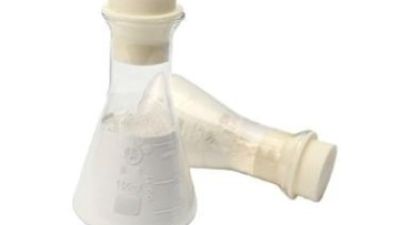
If you’ve ever come across Lime Powder — you know, the stuff that shows up in gardens, construction sites, water treatment plants, and even food processing — you might realize it’s not just one thing. The tricky part? That name can actually refer to several different calcium-based materials. For example, agricultural lime is usually calcium carbonate, hydrated lime contains calcium hydroxide, and quicklime is calcium oxide. And they all react differently — quicklime, in particular, reacts strongly when it gets wet. So, yeah, you definitely can't just swap them out without thinking twice.
When it comes to soil, agricultural lime is great for balancing out excessive acidity — it can boost nutrient availability and help plants develop healthier roots. But here’s the thing: most gardeners only add lime after testing their soil’s pH. Guess what? Pouring it in without testing might cause more harm than good. Some plants, like blueberries and rhododendrons, actually prefer acidic soils, so it’s not always about adding more lime. Sometimes, less is more.
In the world of construction, lime powder is used to make mortar, plaster, and other masonry materials. Its performance really depends on factors like purity, particle size, moisture content, and what it’s actually being used for. Then there are water treatment folks — they use specific lime products to adjust pH levels or soften water. And for food, only food-grade calcium compounds will do — they come with strict specifications, so paying attention to labels really matters.
Now, safety’s just as important as effectiveness. Fine lime particles can irritate your eyes, skin, and lungs. Hydrated lime and quicklime are especially dangerous; they can even cause serious burns. That’s why anyone working with these needs to follow safety guidelines — wear gloves, goggles, and avoid creating dust clouds. Proper storage is key too — keep them dry to prevent moisture from causing accidental reactions.
Honestly, it’s easy to overlook these details. The important thing is, always identify exactly what product you’re dealing with and what you need it for. When it’s for crops, drinking water, or building work, talking to soil labs, engineers, or trusted suppliers is your best bet. This article digs into what Lime Powder is used for, but keep this in mind: not all powders that look alike behave the same way. That’s why careful testing and not guesswork should be your guiding principles.
Remember, taking the time to understand what you’re working with makes all the difference — safety and success go hand in hand.
What Is Lime Powder?
Lime powder is a fine mineral or chemical powder made from limestone or related lime compounds. The name can be confusing. It may describe agricultural limestone, hydrated lime, or quicklime, and these materials are not interchangeable. Agricultural lime mainly contains calcium carbonate and is commonly used to reduce soil acidity. Hydrated lime contains calcium hydroxide and reacts more strongly with moisture. Quicklime contains calcium oxide and can release heat when water touches it.
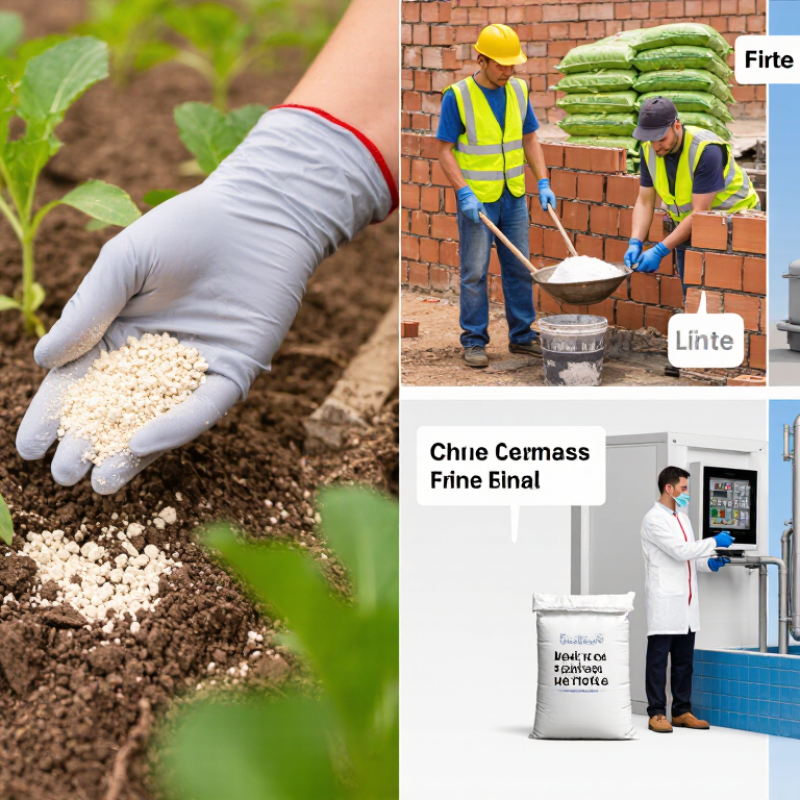
The exact Lime Powder Use depends on its chemical type and purity. In gardening, agricultural lime can help balance acidic soil, but a soil test should guide the application rate. Too much may affect nutrient availability. In construction, hydrated lime can improve the workability of certain mortars and plaster mixes. It creates a smoother texture under proper conditions. Some food-processing applications use specially controlled lime compounds, but only certified food-grade material is suitable.
Handle it carefully. Wear gloves, eye protection, and a suitable mask to reduce dust exposure. Never mix an unknown lime powder with water casually. The container label and safety data sheet matter more than color or texture. I once saw pale powder assumed to be garden lime, yet its label identified a much more reactive compound. That small mistake could have caused skin irritation or damaged the soil. Product testing and professional guidance remain wise when the intended use is unclear.
The Main Types and Properties of Lime Powder
What Is Lime Powder Used For?
The Main Types and Properties of Lime Powder
Lime powder is a broad term for several calcium-based materials. Its behavior depends on how it is processed. Quicklime, or calcium oxide, reacts strongly with water and releases noticeable heat. Hydrated lime, or calcium hydroxide, is made by adding controlled water to quicklime. Agricultural lime usually contains finely ground calcium carbonate from limestone. It reacts more slowly and helps reduce soil acidity.
White Lime Powder is often used in mortar, plaster, soil treatment, and water-related processes. Hydrated lime can improve workability, helping mortar spread smoothly across brick surfaces. Its alkaline nature also supports pH adjustment in acidic soil. Agricultural lime works differently. It dissolves gradually, so soil testing should guide the application rate. Guesswork can create poor results.
Particle size matters. Finer powder usually reacts faster, while coarse particles remain active longer. Moisture, purity, and storage conditions also affect performance. A practical check is simple: inspect the label, test a small area, and avoid assuming every white powder is interchangeable. I have seen this assumption cause uneven mortar and unnecessary soil treatment. Lime can irritate skin, eyes, and lungs, so gloves, eye protection, and suitable respiratory protection are sensible. Ventilation matters too.
How Lime Powder Is Used in Construction
Lime powder has several construction uses, but its performance depends on the material type. In practice, the term may describe quicklime, or hydrated lime. Quicklime is calcium oxide, while hydrated lime is calcium hydroxide. The distinction matters.
Hydrated lime is commonly added to masonry mortar and plaster. It improves workability, allowing the mix to spread smoothly around bricks. It also helps mortar retain water during early curing. This can reduce shrinkage and support better bonding on porous masonry. Lime plaster remains slightly flexible and allows walls to release moisture. That quality suits older buildings, where rigid cement finishes may trap dampness. On renovation sites, craftsmen often adjust the mix after checking the wall’s absorption. A fixed recipe does not always work.
Lime powder can also stabilize certain clay-rich soils beneath roads, paths, and building foundations. The lime reacts with moisture and clay minerals, reducing plasticity and improving compaction. Field testing is essential. Too much lime can create a brittle layer, while too little may produce weak results. Construction teams should confirm soil conditions before choosing a treatment level. Handling requires eye protection, gloves, and suitable respiratory protection, especially with quicklime. It reacts strongly with water and releases heat. I would not mix it casually on a crowded site. Even experienced workers can underestimate airborne dust, and cleanup is often more difficult than expected.
Agricultural and Soil Treatment Uses
What Is Lime Powder Used For?
Agricultural and Soil Treatment Uses
In farming, lime powder mainly corrects acidic soil. It raises pH and improves conditions for many crops. Agricultural limestone, usually calcium carbonate, also supplies calcium. Dolomitic lime adds magnesium when testing shows a deficiency. Better soil pH can support nutrient availability and beneficial microbial activity. However, lime is not a general fertilizer. It cannot replace compost, nitrogen, or balanced crop nutrition.
Use a laboratory soil test before application. The report should show pH, soil texture, and lime requirement. Clay soils often need more lime than sandy soils. Spread the measured amount evenly, then mix it into the root zone when practical. Moist soil helps reduce dust, but heavy rain can move unincorporated material. Changes are gradual. Check pH again after several months, or follow local agricultural guidance. Over-application can create alkaline patches, where iron and other nutrients become less available. That mistake is costly and easy to overlook.
Tips: Wear eye protection, gloves, and a suitable dust mask during handling. Avoid working in strong wind. Keep powder away from ponds and drainage channels. Do not confuse agricultural limestone with quicklime or hydrated lime; these materials behave differently and require stricter handling. Start with the smallest scientifically justified rate. Reassess the field, because soil tests can be imperfect and conditions vary.
Industrial, Environmental, and Water Treatment Applications
What Is Lime Powder Used For?
Industrial, Environmental, and Water Treatment Applications
Burnt Lime Powder, also called quicklime, is widely used in industrial processing. It reacts with water and releases heat, so trained operators must control moisture carefully. In steel production, it helps remove impurities from molten metal. Construction materials may also use it to adjust soil strength and improve certain cement mixtures. Small errors matter. Storage areas should remain dry, ventilated, and clearly labeled.
Environmental projects use lime powder to manage acidic soil, industrial residues, and contaminated water. When applied correctly, it raises pH and supports safer handling of some waste materials. Field technicians usually test the material before treatment. Soil texture, moisture, and acidity can change the required dose. More lime is not always better. Over-application may harm plants and disturb local water conditions.
Water treatment plants use lime to soften hard water and reduce dissolved minerals. It can also help control acidity and support the removal of suspended particles. Operators monitor pH, temperature, and settling performance throughout the process. Protective equipment is essential because the powder can irritate skin, eyes, and lungs. Real-world results may differ from laboratory estimates, especially when water chemistry changes during the day. Careful records improve future dosing decisions.
Safe Handling, Storage, and Practical Precautions
What Is Lime Powder Used For?
Slaked Lime Powder, also called hydrated lime, is used in mortar, plaster, soil treatment, and some water-related processes. Its fine texture makes it easy to spread, but also easy to inhale. The powder is strongly alkaline and can irritate skin, eyes, and airways. During routine handling, wear safety glasses, chemical-resistant gloves, long sleeves, and a suitable dust mask. Work outdoors or in a well-ventilated area. Avoid pouring it from a height. That simple habit reduces airborne dust.
Keep the container tightly closed and clearly labeled. Store it in a cool, dry place away from moisture, acids, food, and children. Damp storage can create hard lumps and weaken measurement accuracy. Do not use food containers for storage. If powder reaches your eyes, rinse with clean water for at least fifteen minutes and seek medical advice. Wash exposed skin promptly, even when irritation seems minor. For a spill, avoid dry sweeping, which can lift dust into the air. Use careful damp cleanup or suitable dust-control equipment. A common mistake is treating lime as harmless because it looks like flour. It is not. I still think many handling instructions underestimate rushed work, especially when gloves feel inconvenient. Check the product label and safety data sheet before use, because different lime products may require different precautions.
What Is Lime Powder Used For? Safe Handling, Storage, and Practical Precautions
Hydrated lime, or calcium hydroxide, is used in water treatment, construction materials, soil treatment, and pH control.
The chart shows its approximate solubility in water at different temperatures. Solubility decreases as temperature rises,
so lime powder should be mixed carefully and stored in a dry, sealed container.
Avoid breathing lime dust and prevent contact with the eyes or skin because calcium hydroxide is strongly alkaline.
Wear protective gloves, eye protection, and suitable respiratory protection when dust may be generated.
Keep the powder away from moisture, acids, and incompatible materials.
Food Grade Slaked Lime Suppliers and Factory in China for Food Processing Applications: A Buyer’s Guide
Food-grade slaked lime, or calcium hydroxide, is widely used in food processing as an acidity regulator, coagulant, nutritional fortifier, and processing aid. The FAO’s *Food Outlook* reports that global food loss remains substantial, with approximately 13.2% of food lost between post-harvest and retail stages, increasing demand for reliable processing technologies that improve quality and handling efficiency. For buyers, selecting a supplier with consistent purity, traceable production, and documentation for food applications is essential.
International specifications should be reviewed before purchase. The Codex General Standard for Food Additives identifies calcium hydroxide as INS 526, while FAO/WHO expert evaluations provide a key reference for safety assessment. Buyers should request a certificate of analysis covering assay, moisture, heavy metals, particle size, and microbiological parameters, together with manufacturing and batch-traceability information. Packaging in 1000 kg units can support efficient storage and bulk production planning when suitable handling facilities are available.
A China-based supplier and factory can provide food-grade slaked lime for diverse processing applications, with shipment available through Qingdao Port. Flexible delivery options include EXW, FOB, FCA, CFR, CIF, CPT, and DDP, allowing importers to match logistics arrangements with local requirements. Before confirming an order, purchasers should verify the intended application, regulatory compliance in the destination market, packaging integrity, lead time, and technical support.
FAQS
It is used in mortar, plaster, soil stabilization, and some cement mixtures. A smooth spread matters.
Quicklime is calcium oxide. Hydrated lime is calcium hydroxide. They behave differently.
It makes mortar easier to spread and helps retain water during early curing. This can improve bonding with porous bricks.
Lime plaster remains slightly flexible and allows walls to release moisture. Rigid finishes may trap dampness.
Yes. It can reduce clay soil’s plasticity and improve compaction beneath roads, paths, and foundations. Testing remains necessary.
The treated layer may become brittle. Too little lime may produce weak results. More is not always better.
It can soften hard water, reduce dissolved minerals, control acidity, and support particle removal. Operators monitor pH and settling.
Workers should use gloves, eye protection, and suitable respiratory protection. Quicklime reacts strongly with water and releases heat. Dust is easy to underestimate.
Store it in a dry, ventilated, clearly labeled area away from uncontrolled moisture. Small storage mistakes can matter.
Soil texture, moisture, acidity, and water chemistry can change the required amount. Laboratory estimates may not match field conditions. Real sites are imperfect.
Conclusion
Lime Powder is a versatile mineral material made by processing limestone into different forms, each with distinct chemical and physical properties. Depending on its composition and treatment, it may be used as a binding agent, a soil amendment, or a neutralizing substance. In construction, lime powder can improve mortar, plaster, and other building mixtures by supporting workability, durability, and moisture control. Its traditional use also makes it valuable for renovation and general building maintenance.
In agriculture, Lime Powder helps adjust overly acidic soil and can support better nutrient availability for crops. It is also applied in industrial processes, environmental management, and water treatment to neutralize acidity, control impurities, and stabilize certain materials. Because fine lime particles can irritate the eyes, skin, and respiratory system, users should wear suitable protective equipment, avoid creating dust, and follow proper handling procedures. It should be stored in a dry, sealed, and clearly labeled area away from incompatible substances.