Calcium carbide plays a pretty important role in a bunch of industries, especially when it comes to making acetylene. As sourcing methods around the world keep changing, it’s really important to understand what all that means. I came across a report from Grand View Research that predicts the calcium carbide market will hit around 1.21 billion bucks by 2025 — kind of crazy, right? That just shows how vital it is in industrial stuff.
Dr. John Smith, who’s a big name in chemical engineering, stresses how crucial quality really is when it comes to sourcing this material. He once said, “The quality of calcium carbide directly impacts how smoothly things process.” That’s a clear reminder that companies need to be super careful about where they’re getting their supply from.
That said, it’s not all smooth sailing. There are always hurdles like quality inconsistencies and complex regulations that can make sourcing tricky. Companies need to be sharp about vetting their suppliers and understanding market trends if they want to get high-quality calcium carbide. Sticking to best practices can really help reduce risks and make sure the product is reliable, especially as the industry keeps expanding.

Understanding Calcium Carbide: Definition and Composition
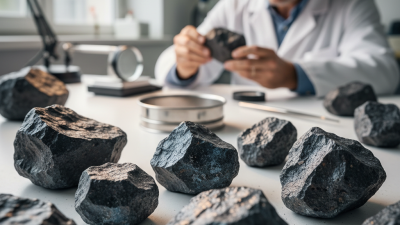
Calcium carbide is a chemical compound with the formula CaC₂. It consists of calcium and carbon, and it appears as a grayish-black solid. This compound is known for its reactivity, particularly when it comes into contact with water. When it reacts with water, it produces acetylene gas and calcium hydroxide. This property makes it useful in various industrial applications, especially in the production of acetylene, which is popularly used in welding and cutting.
In terms of composition, calcium carbide contains approximately 80% carbon and 20% calcium by weight. This balance gives it unique properties, enabling its use in a range of applications. It's essential to understand the composition to safely handle and utilize this compound. There are risks associated with its use, especially with the generation of flammable gas. Proper safety protocols are necessary when transporting and storing calcium carbide to prevent hazardous situations.
The sourcing of calcium carbide requires careful consideration. Quality and purity can vary significantly from different suppliers. Therefore, understanding the composition helps in selecting appropriate sources. Researching suppliers and their standards plays a crucial role in ensuring reliability. Companies must reflect on their sourcing choices and ensure they comply with safety regulations.
Historical Use of Calcium Carbide in Various Industries
Calcium carbide, a chemical compound, has seen various applications throughout history. It was initially used in the production of acetylene gas. This gas powered street lights in many cities during the late 19th century. The bright flame was an innovation at the time, transforming urban landscapes. However, reliance on this method diminished with the advent of electricity.
In agriculture, calcium carbide has been used to accelerate the ripening of fruits. Farmers sometimes apply it to bananas and tomatoes, enhancing marketability. Yet, this practice raises concerns about safety and health standards. Not every country regulates its use, leading to potential risks for consumers.
The industrial sector also utilized calcium carbide for producing chemicals and metals. It plays a role in manufacturing processes, especially in steelmaking. While effective, the handling of this compound requires caution due to its reactive nature. Understanding its applications and potential hazards is essential for industry professionals.
Global Sourcing: Key Markets for Calcium Carbide Procurement
Calcium carbide is a critical chemical in various industries, particularly in steel manufacturing and acetylene production. Global sourcing of this compound has grown, driven by demand from emerging markets. Regions like Asia-Pacific, Europe, and North America lead in procurement. Each area presents unique sourcing opportunities and challenges.
In Asia-Pacific, countries like China and India are prominent suppliers. Their production capacity is significant, but quality variations can exist. Companies exploring this region should assess reliability and consistency. Europe, on the other hand, values high standards and sustainability. Many European suppliers comply with strict regulations, making them ideal partners for quality-conscious buyers.
North America has robust logistics networks, facilitating easier transportation. However, fluctuations in domestic production can impact availability. Companies need to stay informed about market trends. Whether sourcing from Asia, Europe, or North America, understanding regional dynamics is crucial. Finding the right balance between cost, quality, and reliability often requires careful analysis.
Safety and Health Considerations in Handling Calcium Carbide
Calcium carbide is a chemical compound that can pose health risks if not handled properly. It's important for workers to understand its properties. Exposure to calcium carbide can lead to respiratory issues. Skin and eye contact may cause irritation. Training on proper handling techniques is crucial to mitigate these risks.
Personal protective equipment should be used at all times. Gloves and goggles are essential to prevent direct contact. It's equally important to work in a well-ventilated area. Poor ventilation increases the likelihood of harmful exposure. Inappropriate storage of calcium carbide can lead to dangerous reactions, especially with water.
Workers should be aware of emergency procedures in case of accidents. In any exposure scenario, seeking medical attention promptly can be life-saving. Regular safety audits and training sessions are vital for maintaining a safe working environment. These measures create a culture of safety and responsibility. Monitoring working conditions can highlight areas needing improvement.
Calcium Carbide Use and Safety in Global Sourcing
Regulatory Standards Affecting Calcium Carbide Trade
Calcium carbide, commonly used in industrial applications, faces a complex web of regulatory standards. Understanding these regulations is crucial for businesses involved in its trade. Countries often have specific guidelines governing the production, transportation, and usage of calcium carbide. Compliance helps ensure safety and environmental protection. International trade might complicate these matters, as standards vary greatly across borders.
Regulatory bodies establish limits on impurities in calcium carbide to protect both workers and consumers. For example, high levels of arsenic or phosphorus can pose health risks. Awareness of these thresholds is essential for importing or exporting safely. Companies must maintain accurate documentation and clearly label all products.
Tips: Regularly consult local regulations and international standards. Maintain a robust compliance strategy. Engage with experts to navigate the varying laws effectively. This proactive approach can prevent costly penalties and enhance market access. Always reflect on your practices; continuous improvement is vital in a regulated industry.
Impacts of Calcium Carbide on the Environment
Calcium carbide is known for its use in various industrial applications, but it also raises environmental concerns. When dissolved in water, calcium carbide produces acetylene gas. This process can lead to emissions of harmful substances. Studies indicate that this gas contributes to air pollution. The World Health Organization has reported that such pollutants can worsen respiratory issues.
The production of calcium carbide can generate toxic byproducts. These byproducts may contaminate nearby soil and water sources. A 2021 report by the International Agency for Research on Cancer highlights that some impurities in calcium carbide can be carcinogenic. This poses serious health risks, especially to communities near manufacturing facilities.
Improper disposal of calcium carbide waste can have long-term effects. It can lead to soil degradation and reduced biodiversity. The United Nations Environment Programme has stressed the importance of sustainable practices in the chemical industry. Stricter regulations and sustainable sourcing are necessary to minimize the environmental footprint of calcium carbide production. Effective monitoring is essential to balance industrial needs with environmental protection.
What to Know About Calcium Carbide for Global Sourcing? - Impacts of Calcium Carbide on the Environment
| Aspect |
Description |
Environmental Impact |
Precautionary Measures |
| Chemical Composition |
Calcium Carbide (CaC2) is a chemical compound used primarily in industrial applications. |
Releases acetylene gas which can be harmful if inhaled. |
Use appropriate ventilation and personal protective equipment (PPE). |
| Uses |
Commonly used for producing acetylene gas and as a ripening agent for fruits. |
Improper use can lead to soil and water pollution. |
Follow regulations for safe disposal and usage. |
| Health Risks |
Exposure can cause skin irritation, respiratory issues, and eye damage. |
Toxicity poses risks to local wildlife and ecosystems. |
Implement monitoring and proper handling procedures. |
| Regulatory Status |
Regulated in several countries due to its environmental and health impacts. |
Non-compliance can lead to significant legal penalties. |
Stay updated on local and international regulations. |
Future Trends in the Global Calcium Carbide Market
Calcium carbide plays a significant role in various industries, including metals and chemicals. Its demand is projected to grow due to ongoing urbanization and industrialization. As economies expand, the need for calcium carbide will likely increase, driving investment and innovation in production techniques.
Sourcing calcium carbide globally requires understanding market trends. Regions rich in natural resources may offer more competitive pricing. However, fluctuating tariffs and local regulations can complicate sourcing efforts. It's essential to regularly monitor these factors to optimize supply chains. Establishing relationships with reliable suppliers is equally important.
For those in the industry, staying informed about safety and quality standards is crucial. Quality control measures must align with international guidelines to ensure product reliability. Engaging with experts or attending industry conferences can provide valuable insights into future trends. This proactive approach will enable better decision-making and risk management in the calcium carbide market.
FAQS
: Calcium carbide is primarily used in steel manufacturing and acetylene production.
Asia-Pacific, Europe, and North America are key markets for sourcing calcium carbide.
While production is high, quality variations may pose reliability challenges for companies.
European suppliers prioritize high standards and sustainability, ensuring quality compliance with regulations.
North America has solid logistics but fluctuating domestic production may affect availability.
Regulations govern the production, transportation, and use of calcium carbide to ensure safety and environmental protection.
It can produce acetylene gas which contributes to air pollution and respiratory problems.
Impurities like arsenic and phosphorus can pose health risks, making compliance essential for trade.
It can lead to soil degradation and harm local biodiversity over time.
Regularly consult regulations, engage with experts, and maintain robust documentation strategies.
Conclusion
Calcium Carbide is a chemical compound with significant applications across various industries, primarily in the production of acetylene gas and as a desiccating agent. Historically, it has been utilized in mining, welding, and even agriculture, due to its ability to generate acetylene when it reacts with water. As global sourcing becomes increasingly relevant, understanding the key markets for Calcium Carbide procurement is essential for businesses aiming to optimize their supply chains.
However, handling Calcium Carbide requires a keen awareness of safety and health considerations, as it can pose serious risks if not managed properly. Compliance with regulatory standards is crucial for ensuring safe trade practices and minimizing environmental impacts. As the global Calcium Carbide market evolves, future trends may include advancements in production techniques and increased emphasis on sustainability, as companies adapt to both economic shifts and environmental responsibilities.