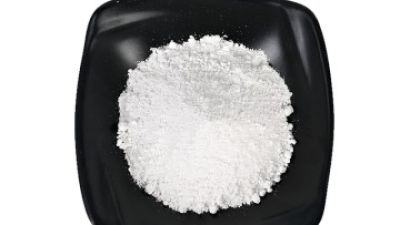
When it comes to industrial minerals, Calcium Carbonate Minerals are pretty important. These little guys are used in all sorts of industries, from building materials to making medicines. If you're is working in this space, understanding their role really matters — especially if you're trying to find reliable sources worldwide.
Now, when you start digging into Calcium Carbonate Minerals, you'll quickly see that not all are created equal. The quality can really differ from one supplier to another. It’s super important to check things like purity levels and the size of the particles — those details make all the difference for different uses.
And here’s the kicker: not every supplier is upfront about where they get their stuff from. Transparency is key for building trust, but honestly, some companies still keep these details under wraps. Making a smart choice means doing your homework, asking the right questions, and looking for data you can count on. That way, you’re not just buying blindly — you’re making responsible choices in a market that can be tricky to navigate.
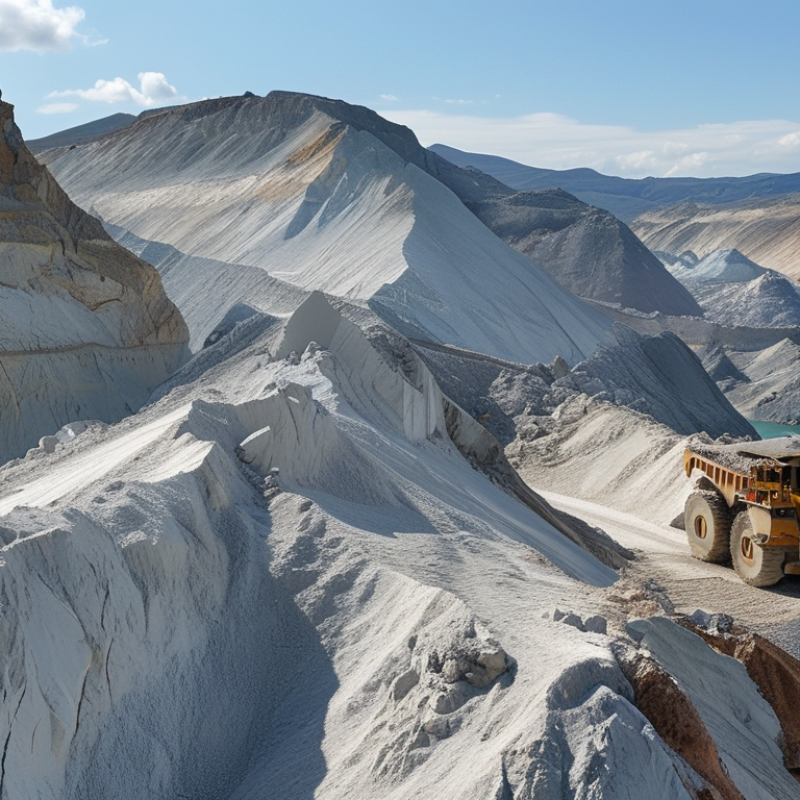
Top 10 Calcium Carbonate Minerals: An Overview of Global Market Trends
The global market for Calcium Carbonate minerals has shown significant growth in recent years. According to a report from Grand View Research, the Calcium Carbonate market was valued at over $18 billion in 2021 and is projected to expand at a compound annual growth rate (CAGR) of 4.7% from 2022 to 2030. This growth reflects an increasing demand for high-quality Minerals Calcium across various industries, particularly in construction and pharmaceuticals.
Factors driving this trend include the rise in manufacturing activities and the push for eco-friendly products. The use of lightweight and durable materials in construction has increased the demand for Calcium Carbonate as a filler and coating agent. In the pharmaceutical sector, the mineral is valued for its role as a calcium supplement and its use in antacids. Mining industries are also focusing on enhancing their production capacity to meet global demand.
**Tip:** When sourcing Calcium Carbonate minerals, consider geographic proximity and certification quality. Engage with suppliers who demonstrate proven expertise in mining and processing these minerals.
Investing in sustainable extraction methods is crucial. Environmental concerns are growing, and companies face pressure to minimize their carbon footprint. Balancing profitability with sustainability can be challenging. Companies are often failing to innovate in this regard.
**Tip:** Regular audits of your supply chain can identify areas for improvement. Aim for transparency and engage with stakeholders for a joint approach to sustainability. Investing in innovation may yield long-term benefits.
The Role of Calcium Carbonate in Various Industries and Applications
Calcium carbonate is a versatile mineral with a wide range of applications in various industries. In construction, it serves as a key ingredient in cement and lime production. Its ability to improve durability and strength makes it indispensable for building materials. Moreover, its fine powder form is commonly used to enhance paint and coatings, providing opaqueness and brightness.
In the environmental sector, calcium carbonate plays a crucial role in water treatment. It helps neutralize acidity and removes contaminants, contributing to cleaner water sources. Additionally, this mineral is utilized in the agricultural industry, acting as a soil conditioner. Farmers rely on calcium carbonate to improve soil quality and support crop growth.
Despite its numerous benefits, there are areas of concern. The mining and processing of calcium carbonate can lead to environmental degradation if not managed properly. Striking a balance between industry needs and ecological protection is essential. Continuous research is needed to develop sustainable extraction methods that prioritize both economic and environmental health.
Top 10 Calcium Carbonate Minerals for Global Buyers
This chart displays the calcium carbonate content in various minerals, highlighting their significance for global buyers in different industries and applications.
Key Geological Sources of Calcium Carbonate Minerals Worldwide
Calcium carbonate is found in various geological formations around the world. Key sources include limestone, chalk, and marble. These are essential raw materials for many industries. Each source has unique properties and applications. For example, limestone is often used in construction and agriculture. Its versatility makes it a widely sought-after material.
Calcium Minerals can also be derived from oceanic deposits. Marine sediments, rich in calcium carbonate, provide significant quantities. Coral reefs contribute to these deposits as they break down over time. However, the availability of these minerals can vary by region. This variability reflects local geological conditions. Prospective buyers should be aware of these factors when sourcing materials.
Collecting data on the quality of calcium carbonate is crucial. Minerals from different sources may vary in purity and particle size. Some may not meet industry standards, leading to potential disputes. Thus, understanding the geological characteristics is essential for reliable sourcing. This can prevent issues and ensure that the materials used are suitable for their intended purposes.
Composition and Properties of Leading Calcium Carbonate Minerals
Calcium carbonate is one of the most abundant minerals on Earth. It is widely used in various industries, including construction, pharmaceuticals, and food processing. The composition and properties of calcium carbonate minerals can significantly impact their application.
Calcite, one of the most common forms of calcium carbonate, is known for its perfect cleavage and crystal formation. It has a high purity level and is often used in the production of lime. Aragonite, another form, has a different crystal structure and is often found in marine environments. Its unique properties make it ideal for specific applications, such as aquaculture. Additionally, vaterite is less stable but can be found in some biological systems.
Tips: When selecting calcium carbonate minerals for your projects, consider the specific properties required. Pay attention to purity, particle size, and crystal structure. Sometimes, the less popular forms can provide unique advantages that others do not offer. Evaluating these factors can enhance your product quality.
In your sourcing journey, it’s essential to understand the regional availability of these minerals. Geographic variations can lead to differences in purity and composition. Therefore, ensure that your supplier can provide a reliable analysis of their product's properties. Always ask for samples to better gauge suitability for your application.
Market Demand Analysis: Rising Applications in Construction and Agriculture
The market for calcium carbonate minerals is experiencing notable growth. This surge is largely driven by its applications in construction and agriculture. In construction, calcium carbonate serves as a key ingredient in cement and concrete, enhancing strength and durability. Builders rely on its properties to meet the increasing demand for sustainable materials.
In agriculture, calcium carbonate plays a pivotal role in soil treatment and crop production. It helps to neutralize acidic soils, promoting better nutrient absorption. Farmers are increasingly recognizing the importance of Calcium And Minerals in improving crop yields. However, challenges exist. Accessibility and pricing fluctuations can impact its use. The need for reliable sources is crucial for both sectors.
Despite its benefits, over-reliance on calcium carbonate without proper management can lead to environmental concerns. Sustainable practices must be prioritized to minimize negative impacts. Buyers in these markets should evaluate both the advantages and the potential pitfalls of calcium carbonate applications. An informed approach can lead to better outcomes in expanding industries.
Calcium Carbonate Production: Leading Countries and Their Capacity
Calcium carbonate is vital in various industries, ranging from construction to pharmaceuticals. Several countries dominate the production landscape. The United States, Germany, and China are key players with substantial production capacities. Their facilities harness advanced technologies for efficient processing. This ensures a steady supply to meet global demand.
Tips for buyers: Researching the production capacities can help negotiate better deals. Understanding local regulations is crucial, as they can impact import and export processes. Examine the sustainability practices of suppliers, as this can reflect their overall reliability.
Countries like India and Turkey are also increasing their outputs. Their emerging facilities promise growth potential. However, quality can vary across regions. Ensuring top-tier minerals often requires diligent sourcing. Pay attention to certifications and testing measures in place. A closer look at these factors can guide informed purchasing decisions.
Tips for buyers: Building relationships with reputable suppliers enhances trust. Don't hesitate to request samples before committing. This small step can save potential pitfalls later.
Top 10 Calcium Carbonate Minerals for Global Buyers
| Mineral Name |
Country of Production |
Annual Production Capacity (tons) |
Purity (%) |
Main Uses |
| Calcite |
China |
20,000,000 |
99 |
Construction, Paints |
| Aragonite |
United States |
15,000,000 |
98 |
Marine Applications |
| Vaterite |
Mexico |
5,000,000 |
97 |
Plastic Industry |
| Calcitic Marble |
Italy |
10,000,000 |
99.5 |
Construction, Decoration |
| Limestone |
India |
12,000,000 |
95 |
Cement, Agriculture |
| Oolitic Limestone |
Egypt |
8,000,000 |
97 |
Construction, Soil Amendment |
| Dolomite |
Brazil |
7,000,000 |
96 |
Glass, Ceramic Industries |
| Chalk |
France |
6,000,000 |
99.5 |
Writing, Art Supplies |
| Tufa |
Turkey |
4,500,000 |
96 |
Construction, Decoration |
| Magnesite |
Russia |
8,000,000 |
97 |
Refractories, Agriculture |
Pricing Trends and Economic Factors Influencing Calcium Carbonate Markets
The demand for calcium carbonate minerals has seen notable fluctuations. Several economic factors play crucial roles in shaping market trends. For instance, industrial growth in emerging markets typically drives demand higher, but global economic downturns can lead to price declines. Rates of construction and manufacturing significantly impact mineral consumption.
Pricing trends often correlate with supply constraints in key producing regions. Natural disasters, political unrest, or logistical issues can disrupt production. As a result, buyers may face unexpected cost increases. Additionally, changes in regulation often affect mining operations, leading to varying levels of supply.
Market participants also need to consider environmental policies. Stricter regulations can raise operational costs. Although these are necessary for sustainability, they can create hurdles for suppliers. Balancing compliance with competitive pricing is challenging. It often leads to reflective decisions on sourcing and supply chain strategies. Buyers must remain vigilant in this dynamic landscape. Adjusting purchasing strategies in response to market signals is essential to maintain a competitive edge.
Future Outlook: Innovations and Sustainability in Calcium Carbonate Mining
Innovations in calcium carbonate mining are shaping the future of this essential industry. Companies are exploring more sustainable methods to extract minerals. New technologies are emerging to minimize environmental impact. These methods can reduce carbon emissions during the extraction process. They also promote the responsible use of water resources.
Sustainability remains a pressing challenge. Many traditional mining practices can lead to land degradation and habitat loss. By adopting innovative techniques, businesses can enhance their mineral extraction processes. This shift not only supports environmental goals but also aligns with consumer demand for ethical practices.
The Minerals Chemical Composition plays a vital role in this landscape. Understanding the different forms of calcium carbonate is essential. It aids in developing better extraction strategies. The industry must balance economic needs with environmental responsibility. Raising awareness about these challenges can lead to more informed decisions. The future of calcium carbonate mining depends on our collective commitment to sustainability.
Exploring High-Quality Ground Calcium Carbonate (GCC) from Leading Chinese Suppliers for Optimal Paper Production Solutions
In the realm of paper production, the choice of raw materials significantly influences the quality and cost-effectiveness of the final product. Ground Calcium Carbonate (GCC) has emerged as a pivotal ingredient, particularly from leading Chinese suppliers known for their high-quality offerings. GCC not only enhances the glossiness of paper but also improves its flatness and smoothness, making it an essential additive for manufacturers aiming to elevate their product standards.
Available in user-friendly packaging options of 25kg and 500kg bags, GCC is designed for ease of handling and transportation, ensuring that manufacturers can easily incorporate this vital component into their production processes. Shipped from Qingdao Port, China, buyers can take advantage of a variety of flexible delivery terms, including EXW, FOB, FCA, CFR, CIF, CPT, and DDP. This flexibility allows companies from various regions to optimize their supply chain operations while managing costs effectively.
The incorporation of high-quality GCC not only contributes to improved paper hardness and stiffness but also plays a crucial role in reducing overall production costs. By choosing the right materials, manufacturers can achieve increased efficiency while maintaining high product quality.
FAQS
: The Calcium Carbonate market was valued at over $18 billion in 2021.
The market is projected to expand at a CAGR of 4.7% from 2022 to 2030.
The construction and pharmaceutical industries are key drivers of demand.
It serves as a lightweight filler and coating agent, enhancing material properties.
It is commonly used as a calcium supplement and in antacids.
Geographic proximity and supplier certification quality are crucial factors.
Key sources include limestone, chalk, and marble, each with unique uses.
Companies face pressure to minimize their carbon footprint while remaining profitable.
Many struggle to innovate and balance industry demands with environmental concerns.
Variability in purity and particle size can lead to disputes and compliance issues.
Conclusion
The article "Top 10 Calcium Carbonate Minerals for Global Buyers" provides a comprehensive overview of the global market trends surrounding calcium carbonate minerals. It explores their significance across various industries, particularly in construction and agriculture, highlighting the increasing demand driven by these applications. The article also identifies key geological sources worldwide, detailing the composition and properties of leading calcium carbonate minerals.
Moreover, it analyzes the market dynamics, including production capacities of leading countries, pricing trends, and the economic factors influencing the calcium carbonate market. Looking to the future, the article discusses innovations and sustainability practices in calcium carbonate mining, emphasizing the importance of these minerals in addressing contemporary industrial challenges while promoting environmental responsibility.