In today’s global market, finding high-quality materials is more important than ever. Quick Lime, or calcium oxide, is a critical ingredient used across various industries—think construction, agriculture, and more. It’s pretty much essential for improving soil health and is a key part of many building products. If you’re on the hunt for Quick Lime, understanding who supplies it can make all the difference in meeting your specific needs.
There are loads of suppliers worldwide, each with their own strengths and specialties. Taking the time to really look into their products, how they handle quality assurance, and their delivery options is definitely worth it. Building relationships with reputable and established companies can boost your reliability and peace of mind. That said, not every supplier out there will meet your expectations or standards.
Some of the major players in the game include Graymont, Chemical Lime Company, and Lhoist Group. These guys have tons of industry experience, so they usually have good controls in place, solid customer service, and a broad product range. But don’t just take their word for it—do your homework! It’s super important to make sure they’re compliant with regulations and to understand the difference between Quick Lime and Slaked Lime. Knowing the ins and outs can really help you pick the best supplier for what you need. Basically, a little research goes a long way when you want to get it right the first time.
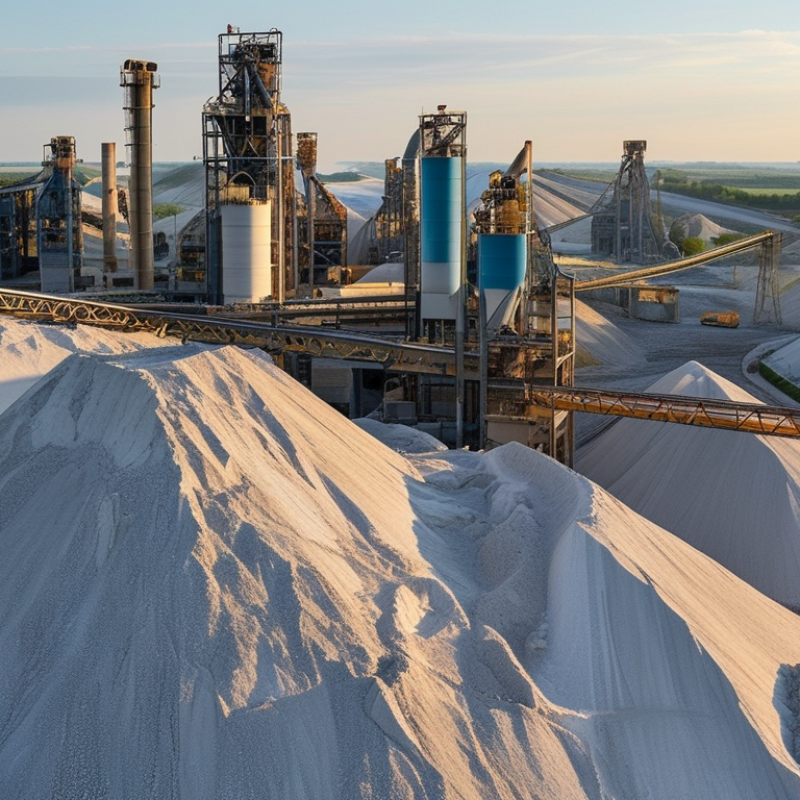
Overview of Quick Lime and Its Applications in Various Industries
Quick Lime, also known as calcium oxide, plays a vital role across various industries. It is primarily used in metallurgy and construction. Its exceptional properties help in refining metals and producing high-quality cement. In agriculture, quick lime improves soil quality, leading to better crop yields. The versatility of quick lime is evident in its wide-ranging applications.
Chemical industries also benefit from quick lime. It acts as a key ingredient in producing different chemicals. Water treatment facilities utilize quick lime to purify water, removing impurities effectively. The alkaline properties of quick lime help in balancing pH levels in various processes. However, handling quick lime requires caution, as it can be caustic.
Quick lime can also be used in environmental applications. It helps in controlling emissions and stabilizing waste materials. Despite its advantages, some challenges persist in its usage. Sometimes, proper storage and transportation become issues. Educating users on safety measures is crucial. Understanding these factors enhances the effective use of quick lime in diverse roles.
Criteria for Selecting the Best Quick Lime Suppliers Globally
Selecting the best quick lime suppliers requires careful evaluation of several key factors. First, consider the supplier's production capacity and efficiency. Reports indicate that leading suppliers can produce up to 300,000 tons of quick lime annually. This volume is crucial for meeting global demand. Buyers should ensure that potential suppliers have modern facilities and technologies in place.
Another important criterion is the supplier's reputation in the market. Industry evaluations show that suppliers with certifications and a strong track record tend to deliver higher quality quick lime, which has significant implications for customer satisfaction. Certifications like ISO 9001 ensure that the production processes meet international standards. Additionally, having a sustainable approach to production can be a decisive factor. Quick Lime Co2 emissions during production should be minimized to align with global environmental standards.
Finally, assess the suppliers’ customer service and support. Effective communication can resolve issues more swiftly and enhance collaboration. A reliable supplier will provide timely updates and feedback. Understanding the nuances of market variations can also lead to better service. Suppliers that invest in relationships with their clients often display more flexibility in meeting specific project needs. The importance of these aspects cannot be understated as they contribute to long-term partnerships and successful project outcomes.
2026 Best Quick Lime Suppliers for Global Buyers
| Supplier Location |
Production Capacity (tons/year) |
Certification |
Delivery Time (days) |
Customer Rating (out of 5) |
| USA |
500,000 |
ISO 9001 |
15 |
4.7 |
| Germany |
300,000 |
EN 14178 |
20 |
4.5 |
| China |
1,000,000 |
ISO 14001 |
30 |
4.6 |
| India |
750,000 |
ISO 9001 |
25 |
4.4 |
| Brazil |
400,000 |
BRC |
18 |
4.3 |
Top Quick Lime Suppliers in North America: A Detailed Analysis
In North America, the quick lime market is experiencing notable growth. This can be attributed to rising demand in sectors like construction and water treatment. According to industry reports, the North American quick lime market is projected to reach approximately 8 million tons by 2026.
Major suppliers are focusing on quality and sustainable practices. They are adopting advanced production techniques to reduce emissions. However, this transition is challenging. Pricing strategies need to consider both market demand and environmental regulations. Many suppliers are refining their sourcing methods to ensure reliability and meet rising quality standards.
Despite the positive trends, the market faces obstacles. Supply chain disruptions can impact availability. Moreover, fluctuations in raw material costs may affect pricing. Suppliers must stay agile and responsive to these challenges. Investing in technology and sustainability will be crucial for long-term success.
Leading Quick Lime Suppliers in Europe: Quality and Innovation
When exploring quick lime suppliers in Europe, quality and innovation are paramount. The European market is known for its stringent quality standards. This ensures that buyers receive only the best products. Many suppliers invest heavily in research and development. This innovation often leads to improved production methods and enhanced product characteristics. However, it's essential to note that not all suppliers match the same level of expertise.
The diversity among suppliers can be striking. Some excel in high-quality production, while others focus on sustainable practices. This variety can create confusion for buyers trying to choose the right partner. Buyers might encounter suppliers with impressive certifications yet lack practical experience. Reliability is crucial, yet it can be hard to gauge without proper evaluations.
While many suppliers thrive in a competitive market, some struggle to keep up. This inconsistency can impact buyers' projects. It's wise for buyers to conduct thorough research. Engaging in direct conversations with potential suppliers can offer insights into their production processes. Understanding their commitment to quality is vital. Building solid partnerships often leads to mutual growth and benefit.
Emerging Quick Lime Suppliers in Asia: Market Trends and Insights
Asia is witnessing a significant rise in the quick lime market. Emerging suppliers are making their mark globally, driven by increasing construction and industrial demands. Countries in Southeast Asia are becoming manufacturing hubs. This growth presents opportunities but also challenges for local suppliers.
Recent trends highlight the need for sustainable practices. Rising environmental concerns push suppliers to adapt. Many are investing in eco-friendly production methods. However, some still rely on traditional processes, which brings questions about their long-term viability. Quick Limestone production needs to balance efficiency with environmental impact.
Transparency in sourcing and production is becoming crucial. Buyers are more informed and concerned about quality. Many suppliers now share data on their sourcing practices. This builds knowledge and trust. Yet, not all suppliers meet these expectations. Continued reflection and adaptation are essential for success in this evolving market.
Sustainability Practices Among Top Quick Lime Suppliers Worldwide
Sustainability has become crucial for quick lime suppliers worldwide. Many companies are investing in eco-friendly practices to reduce their carbon footprint. A recent report by the International Lime Association indicates that production emissions from quick lime can be as high as 900 kg of CO2 per ton. This statistic underscores the need for innovation in sustainable practices.
Top suppliers have begun to adopt technologies such as carbon capture and storage. These technologies can significantly lower greenhouse gas emissions. For instance, a leading study shows that implementing these systems can reduce emissions by over 30%. However, the upfront costs and technical challenges can limit widespread adoption. This raises questions about the balance between immediate profitability and long-term sustainability goals.
Recycling lime waste into new products is another emerging strategy. The process not only diverts waste from landfills but also provides materials for various industries. The 2022 Sustainable Materials report highlights that 18% of suppliers are now using recycled lime in their production. Thus, while progress is evident, the industry still faces hurdles. The path to full sustainability in quick lime production requires ongoing commitment and innovative solutions.
Future Outlook: The Quick Lime Market and Supplier Dynamics by 2026
The quick lime market is evolving. By 2026, the dynamics among suppliers will shift significantly. This change will stem from increasing demand across various industries, including construction and agriculture. Quick lime, or Lime Oxide, plays a vital role in water treatment, steel production, and environmental applications. As these sectors expand, suppliers must adapt to meet the rising needs.
Emerging trends indicate a growing preference for sustainable practices. Suppliers that embrace eco-friendly production methods may gain a competitive edge. However, not all manufacturers are equipped for this transition. Some may struggle to invest in greener technologies. As regulations tighten, companies must balance costs with compliance. This situation presents challenges for less adaptable players in the market.
Pricing strategies will also be crucial. Rapid fluctuations in raw material costs can impact profitability. Suppliers may need to rethink their pricing models. Demand-side pressures could force some suppliers to reconsider their market positions. Understanding customer needs and market signals will be critical. Those who navigate these complexities effectively will thrive. Other suppliers might find themselves lagging behind, struggling to adjust to the fast-paced market changes.
Unlocking the Potential of Lime: Innovative Applications and Benefits for Your Lifestyle
Lime is an incredibly versatile mineral offering a multitude of innovative applications that can enhance various aspects of our lifestyles. The quick lime produced by leading manufacturers is particularly valuable in industries such as metallurgy and chemical processing. Its role in sintering and pellet production not only improves the quality of these processes but also significantly lowers energy consumption, making it an environmentally friendly choice for manufacturers looking to optimize their operations.
Moreover, lime finds important applications in the food and agricultural industries. As a desiccant, it effectively regulates moisture levels, ensuring product stability and shelf life. In agriculture, lime serves as a critical component in the formulation of pesticides, helping to control pests and diseases more effectively. The chemical industry also leverages lime's properties in the manufacture of products such as bleaching agents and calcium carbide, showcasing its broad utility and effectiveness. With its diverse uses, lime is a foundational element that can unlock potential across various sectors, ultimately benefiting consumers and industries alike.
FAQS
: Quick lime is calcium oxide. It is essential in metallurgy and construction.
It improves soil quality, enhancing crop yields significantly.
It purifies water by removing impurities and balancing pH levels.
Quick lime can be caustic, leading to potential hazards if mishandled.
Suppliers must adapt to rising demand and navigate evolving regulations.
Eco-friendly production methods are becoming essential for competitive advantage.
Fluctuating raw material costs can affect profitability and pricing strategies.
Not all manufacturers can invest in greener technologies, posing challenges.
Understanding customer needs and responding to market signals is crucial.
They might struggle and fall behind in the competitive market landscape.
Conclusion
The article "2026 Best Quick Lime Suppliers for Global Buyers" provides a comprehensive overview of quick lime and its diverse applications across various industries, including construction, metallurgy, and environmental management. It outlines essential criteria for selecting top suppliers, focusing on quality, reliability, and customer service.
The analysis emphasizes leading suppliers from North America and Europe, highlighting their commitment to innovation and quality in production. It also sheds light on emerging suppliers in Asia, discussing current market trends and insights. A crucial aspect of the discussion includes the sustainability practices adopted by top suppliers globally, reflecting the industry's shift towards more environmentally friendly operations. Lastly, the article concludes with an outlook on the quick lime market and anticipated supplier dynamics leading up to 2026, projecting continued growth and evolution in this vital sector.