Leave Your Message
Getting your Calcium Carbonate Minerals from around the world isn't exactly straightforward — it takes a bit of strategy. Big names like Omya and Imerys have carved out their spots as industry leaders, so if you're new to this, knowing who they are is pretty important. Plus, it’s crucial to understand where the good deposits are. For example, countries like Egypt and China are pretty well known for their rich calcium carbonate resources.
Finding reliable suppliers can be a bit like searching for a needle in a haystack — not everything that looks good on paper turns out to be quality stuff. Do your homework, ask questions, and don’t be shy about checking references. Attending trade shows and chatting with industry pros is a great way to make smarter connections and reduce the risks. After all, a misstep here can cause costly delays or result in products that just don’t perform.
Let's not forget that quality control is super important. Not every batch of Calcium Carbonate meets the standards you need. If the quality is inconsistent, it can really hurt your reputation and customer satisfaction. Building relationships with trustworthy suppliers over the long term can help keep your supply chain steady and reliable. And don’t forget — flexibility and always looking for ways to do better are what really help you succeed in this global game. Keep these things in mind as you navigate the tricky world of sourcing minerals — it’s all about being smart, adaptable, and staying on top of your game.
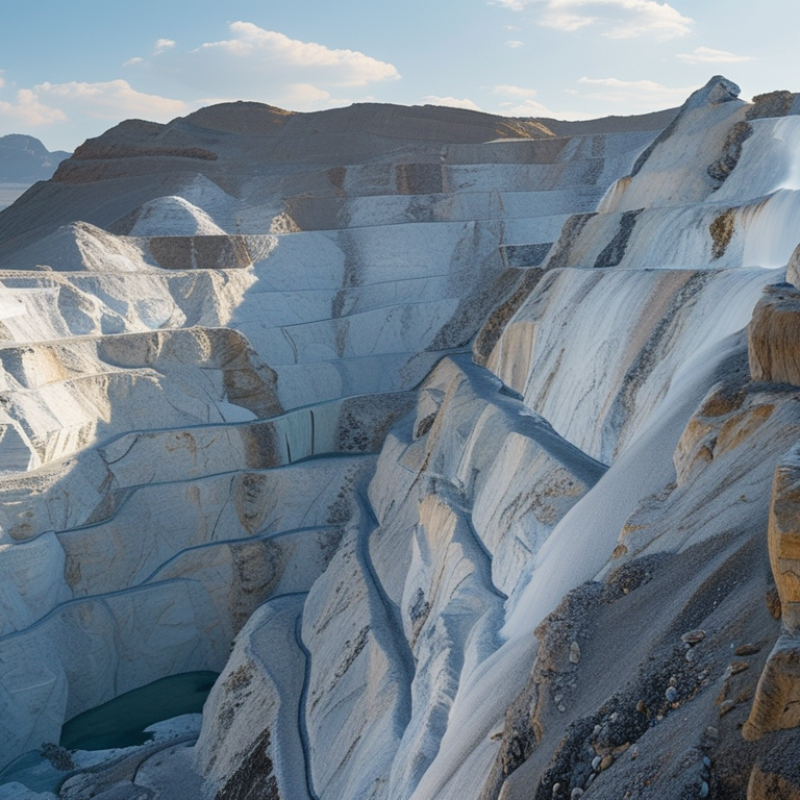
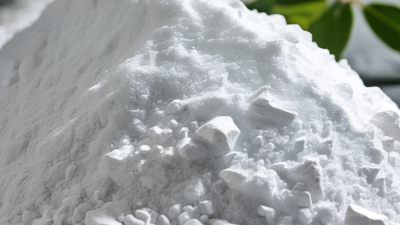
Calcium carbonate is a versatile mineral found in various forms, including limestone, chalk, and marble. It has numerous applications across industries. For instance, it plays a crucial role in construction, paper, and plastics. The global demand for calcium carbonate is projected to reach 150 million tons by 2025, highlighting its importance.
When sourcing calcium carbonate globally, understanding its properties is critical. It can vary in purity, particle size, and reactivity. High-purity Minerals Calcium are preferred for food and pharmaceutical applications. Companies should conduct thorough evaluations of suppliers to ensure they meet industry standards.
One key tip is to assess the mineral’s particle size distribution. Finer particles offer better dispersion in applications like paints and coatings. Additionally, inquire about the environmental impact of mining operations. Sustainable sourcing can improve a company’s reputation. Look for suppliers who prioritize responsible extraction and processing methods. This can lead to long-term partnerships and reliable product quality.
| Property | Description | Application | Source Regions |
|---|---|---|---|
| Purity | Calcium carbonate comes in different purity levels, affecting its suitability for various applications. | Used in pharmaceuticals and food products, where high purity is critical. | Europe, United States, China |
| Particle Size | Calcium carbonate can be ground to various particle sizes, which impacts its reactivity. | Used in plastics and coatings to improve texture and performance. | India, Brazil, Vietnam |
| Color | Calcium carbonate typically appears as white or colorless crystals; impurities can affect color. | Utilized in paint and paper industries for aesthetic purposes. | Egypt, Italy, Turkey |
| Solubility | Calcium carbonate has low solubility in water, but solubility increases in acidic conditions. | Important factor for agriculture, particularly in soil amendments. | Canada, Australia, Finland |
| Cost | The cost of calcium carbonate can vary based on purity, particle size, and source location. | Critical for budget planning in manufacturing processes. | Global, with price variations depending on supply and demand dynamics. |
Sourcing calcium carbonate from trusted Chinese manufacturers offers a plethora of benefits, particularly in terms of cost and quality. As a leading supplier in the industry, we embrace a factory direct pricing model that ensures our clients receive an advantageous competitive edge. According to recent market research, the global calcium carbonate market is anticipated to reach USD 22.3 billion by 2025, driven by its extensive application in industries such as construction, pharmaceuticals, and plastics. This growth highlights the increasing demand for high-quality raw materials, making reliable sourcing an essential consideration for businesses.
Our commitment to cost optimization allows us to offer flexible customization options for product specifications and packaging. This approach ensures that clients only pay for what they need while never compromising on quality. By capitalizing on extensive mining resources, we maintain a rigorous quality control process that begins from the extraction of raw materials. The result is a stable and premium product that meets the exacting standards of various industries. Industry reports indicate that consistent product quality can significantly influence customer retention rates, emphasizing the importance of sourcing from suppliers who prioritize quality and reliability.
Furthermore, the strategic location of many Chinese manufacturers provides logistical advantages that help streamline supply chains and reduce lead times. With advanced production technologies and skilled labor, these manufacturers can efficiently produce high-volume orders without sacrificing quality, enabling businesses to meet their market demands swiftly. As companies look to optimize their operations and maintain a competitive edge, partnering with trusted manufacturers of calcium carbonate will undoubtedly prove beneficial.
: Calcium carbonate is essential across various industries. It influences pricing and supply dynamics significantly.
China is the top producer. It contributes a large share and emphasizes high purity standards.
The U.S. focuses on quality and sustainability. Local regulations can sometimes slow down production speed.
India is increasing capacity due to demand. Germany, on the other hand, encounters regulatory challenges affecting output.
Sustainable practices protect ecosystems while meeting industrial needs. It’s crucial for environmental preservation.
Assess suppliers' environmental policies and their commitment to minimizing ecological impact. Transparency is key.
Advanced methods can enhance efficiency, reduce waste, and lower energy consumption, contributing to sustainability.
Understand chemical composition and local regulations. This ensures products meet specific industrial requirements.
Direct engagement fosters trust and transparency. It also provides insights into sourcing quality minerals.
Continuous evaluation of suppliers is essential. Not all may adhere to strict environmental standards. Reflecting on choices matters.
Calcium Carbonate Minerals play a pivotal role in various industries, making their sourcing a critical task for businesses worldwide. Understanding the properties and diverse applications of calcium carbonate is essential for leveraging its potential in sectors such as construction, agriculture, and pharmaceuticals. Key players in the global market are adapting to evolving trends, with an emphasis on sustainability and regulatory compliance, ensuring that sourcing procedures meet quality standards.
As countries that are major producers of calcium carbonate minerals continue to evolve, it’s crucial to monitor statistical data that highlights production capabilities and market demands. Moreover, efficient logistics and supply chain management practices are vital for the timely delivery of these minerals. Emerging technologies in production and usage further enhance the efficiency and sustainability of calcium carbonate sourcing, providing companies with innovative solutions to meet their needs while adhering to environmental considerations.