
The Difference between Heavy Calcium Carbonate and Light Calcium Carbonate
Name and Essential difference
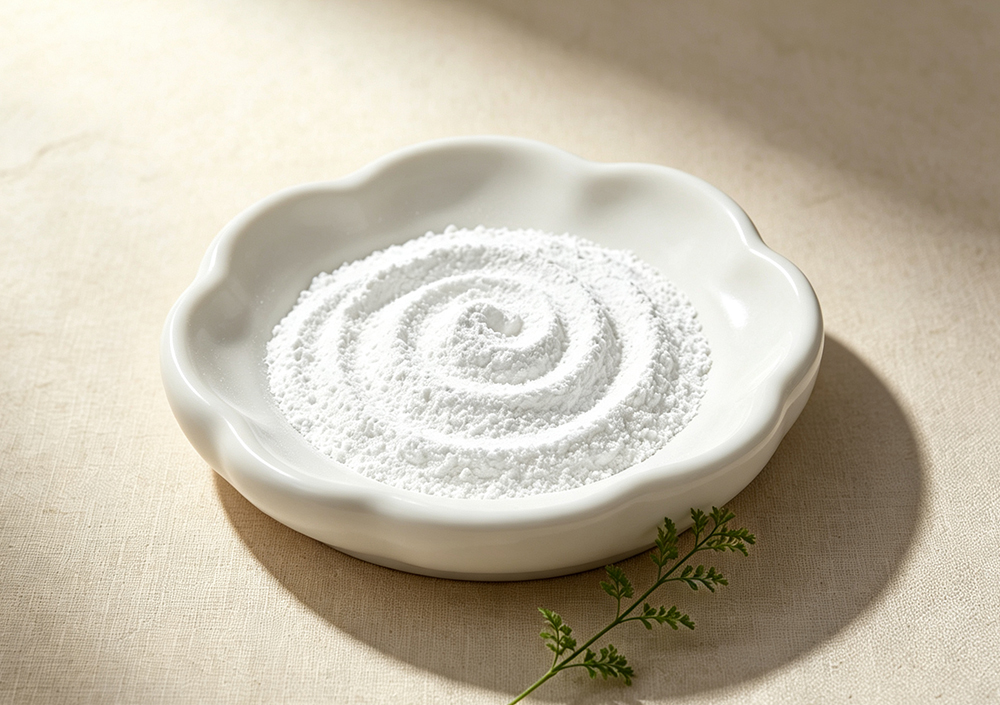
Heavy calcium carbonate, abbreviated as GCC (Ground Calcium Carbonate). Its name originates from its early characteristic of high bulk density, but in modern definitions, it is distinguished by its production process: a powder made from natural calcium carbonate ore through mechanical crushing, grinding, and grading.
Light calcium carbonate, also known as precipitated calcium carbonate, abbreviated as PCC (Precipitated Calcium Carbonate). Its name comes from the relatively low packing density, but the core difference lies in the use of chemical precipitation method for synthesis.
The essential difference between the two is not in density, but in that heavy calcium is a natural mineral that is physically processed, and its crystal morphology and chemical composition are inherited from the original ore; Light calcium is a product generated through chemical reactions such as calcination, digestion, and carbonization, and its crystal morphology and particle size can be artificially controlled to a certain extent.
Comparison of Production Processes
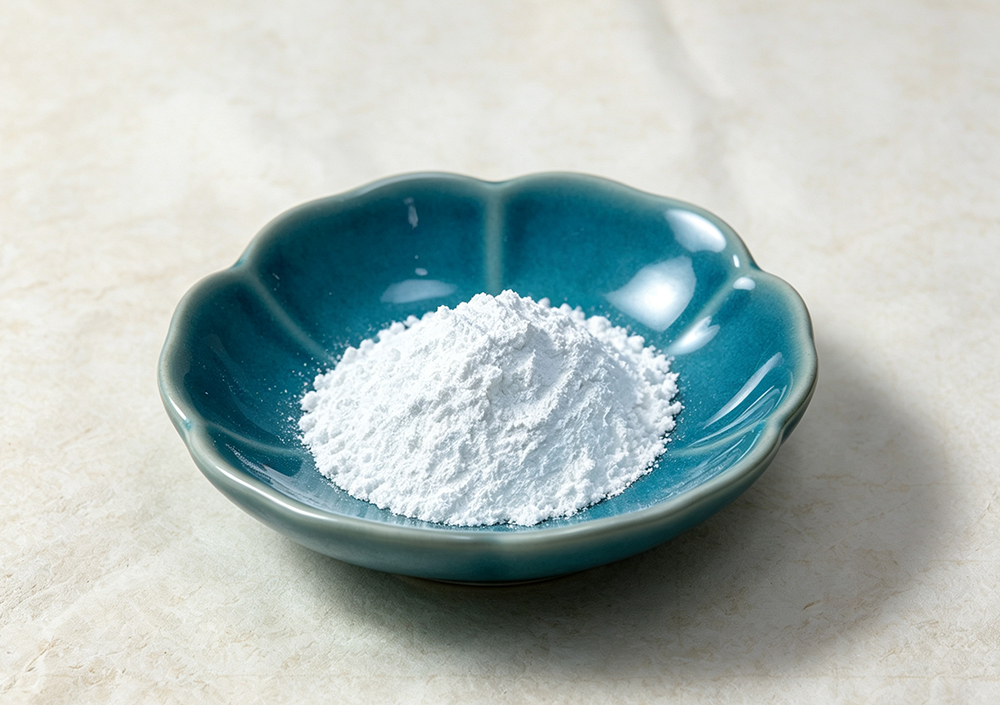
The production process of heavy calcium is physical method. After rough and fine crushing by a crusher, the raw ore is ground and sorted by particle size using an air classifier. Qualified powder is collected and packaged, and the coarse particles are returned for further grinding. The natural crystal structure and chemical composition of the ore are preserved.
The production process of light calcium is chemical method. Limestone is calcined in a high-temperature kiln and decomposed into quicklime. After being digested with water, carbon dioxide is introduced into the resulting calcium hydroxide slurry for carbonization reaction, resulting in the precipitation of calcium carbonate; The precipitate is dehydrated, dried, crushed, and graded to obtain light calcium products. This process changes the original form of the raw materials and reconstructs the crystal structure.
The difference between the two processes determines the cost and energy consumption characteristics of the product: the light calcium process involves calcination and chemical reaction control, with higher energy consumption and longer process; The process of heavy calcium is relatively simple, with energy consumption mainly concentrated in the crushing and grinding stages.
Physical Performance Differences
Although the main chemical components are the same, there are systematic differences in multiple physical indicators between the two products.
The particle morphology of heavy calcium inherits the natural cleavage characteristics of the ore. 1. Fangjie stone heavy calcium is mostly irregular granular, flaky or rhombohedral fragments with distinct edges and corners. The crystal morphology of light calcium can be adjusted by carbonization conditions, commonly in spindle, chain, cubic, or spherical shapes, with more regular particle morphology.
- Oil absorption value is an indicator that characterizes the ability of powder to adsorb resin or plasticizer. Light calcium has a larger specific surface area and a looser structure. Under the same particle size conditions, its oil absorption value is usually significantly higher than that of heavy calcium. This means that under the same filling amount, light calcium will consume more base materials, and the formula cost may increase. This characteristic makes light calcium more suitable for systems that require thickening or thixotropy, while heavy calcium is more suitable for situations that pursue low oil absorption values.
- Particle size and specific surface area: The primary particle size of ordinary light calcium is usually small, reaching the nanometer to submicron level, with a high specific surface area (usually 5-25 m ²/g), while the specific surface area of fine or ultrafine light calcium can be as high as 27-87 m ²/g. The particle size of ordinary heavy calcium is controlled by grinding and grading, with a wide distribution range and relatively low specific surface area. Even for ultrafine heavy calcium, its specific surface area is mostly in the range of 1.45 to 2.1 m ²/g. Although the primary particle size of conventional industrial ordinary light calcium is generally smaller than that of ordinary heavy calcium, specific ultrafine grinding techniques can already produce submicron and nanometer sized heavy calcium, which can achieve particle sizes similar to light calcium.
- Whiteness mainly depends on the purity of raw materials and whether pollution is introduced during the processing. The whiteness of heavy calcium is directly determined by the quality of the ore, while the whiteness of light calcium is not only affected by the raw materials, but also by the control of impurities in the carbonization process.
Application Fields
Advantages of application of heavy calcium: In the field of emphasizing filling increment and improving rigidity, heavy calcium is the mainstream choice. Such as building paint primer and putty, plastic pipes and profiles, rubber conveyor belts, artificial stone, power plant desulfurization, etc. In these situations, the lower cost and moderate performance indicators of heavy calcium can meet the large-scale industrial demand. Ultra fine heavy calcium can also be used for some high-end coatings and plastic films.
The advantageous applications of light calcium: In fields that require high specific surface area, high activity, or special crystal morphology, light calcium is irreplaceable. Using its thixotropy to improve construction performance in high-end sealants and adhesives.
In some mid-range coatings, rubber products, and plastics, heavy calcium and light calcium can be used in a certain proportion. For example, in latex paint formulations, replacing heavy calcium with some light calcium can adjust the thixotropy and covering power of the system; In PVC products, the combination of the two can achieve a balance between cost and performance.
Overall, choosing heavy calcium carbonate is an economical and efficient technological route. On the one hand, the physical production process of heavy calcium determines its significant cost advantage and stable quality control, making it suitable for large-scale industrial applications; On the other hand, its lower oil absorption value means that in systems such as coatings and plastics, it can effectively reduce the consumption of resin and other base materials, lower the overall cost of the formula, and also make a positive contribution to the rigidity and dimensional stability of the final product. Especially in the current industrial context of pursuing green, low-carbon, cost reduction and efficiency improvement, the use of physical methods and relatively low energy consumption in the production process of heavy calcium make it a more environmentally friendly and sustainable inorganic powder filler. For most application scenarios involving filling, increment, improving rigidity, and enhancing processing performance.