
0102030405
The Core of Selection for Heavy Calcium, Light Calcium, and Active Calcium
2026-09-08
The core of selecting heavy calcium, light calcium, and active calcium lies in balancing cost, performance requirements, and processing compatibility. All three are essentially calcium carbonate (CaCO3), but due to differences in production processes, they exhibit significant variations in particle size, surface properties, and price, with each having distinct application scenarios.
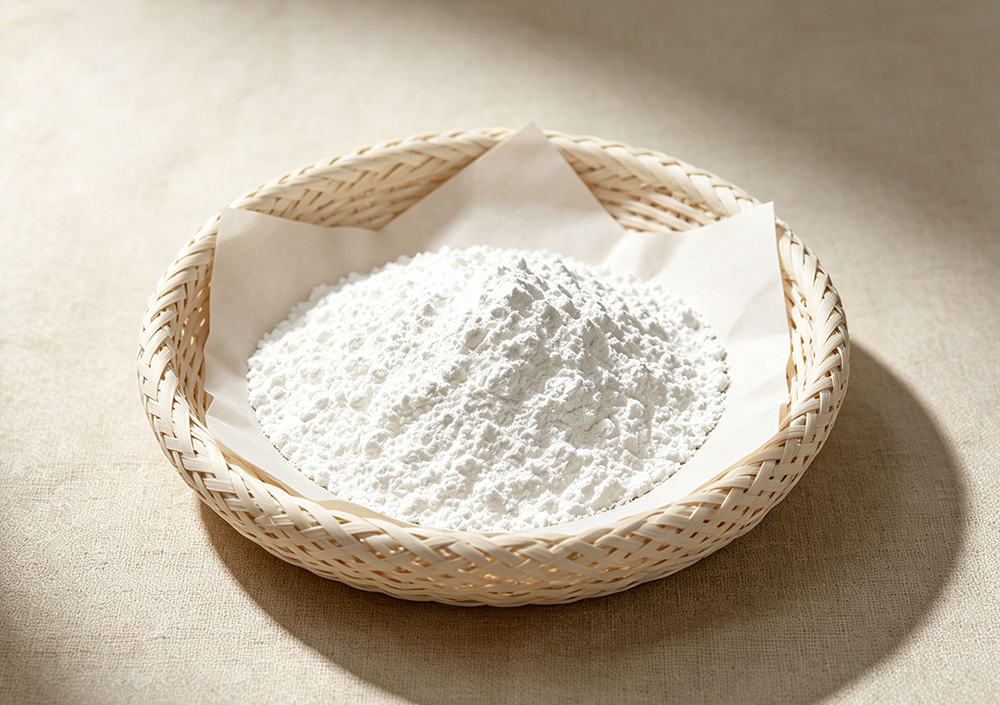
Core Differences at a Glance
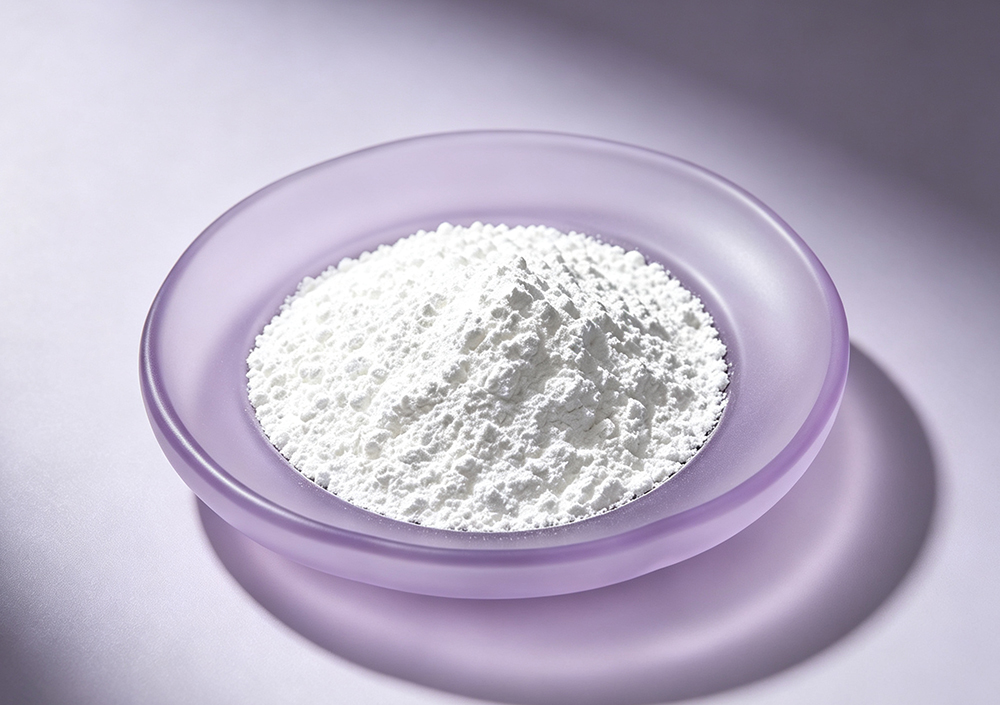
- Heavy calcium (heavy calcium carbonate): Natural ores (calcite, marble) are mechanically crushed. Coarse particles, high density, low cost, weak reinforcement effect, but good processability and easy mixing.
- Light calcium(light calcium carbonate): chemically synthesized and precipitated. The particles are fine, have low density, and high whiteness, and have a certain reinforcing (semi reinforcing) effect, but have high oil absorption and are prone to drying during processing.
- Active calcium: It is made by surface modification (coating with activator) on the basis of heavy calcium or light calcium. Fine particles, hydrophobic and oleophilic surface, excellent compatibility with polymer materials, good reinforcement effect, but the highest price.
Selection Logic and Scene Matching
Heavy Calcium: the First Choice for Cost-Effectiveness, Suitable for "Basic Filling" and "Cost Reduction" Scenarios
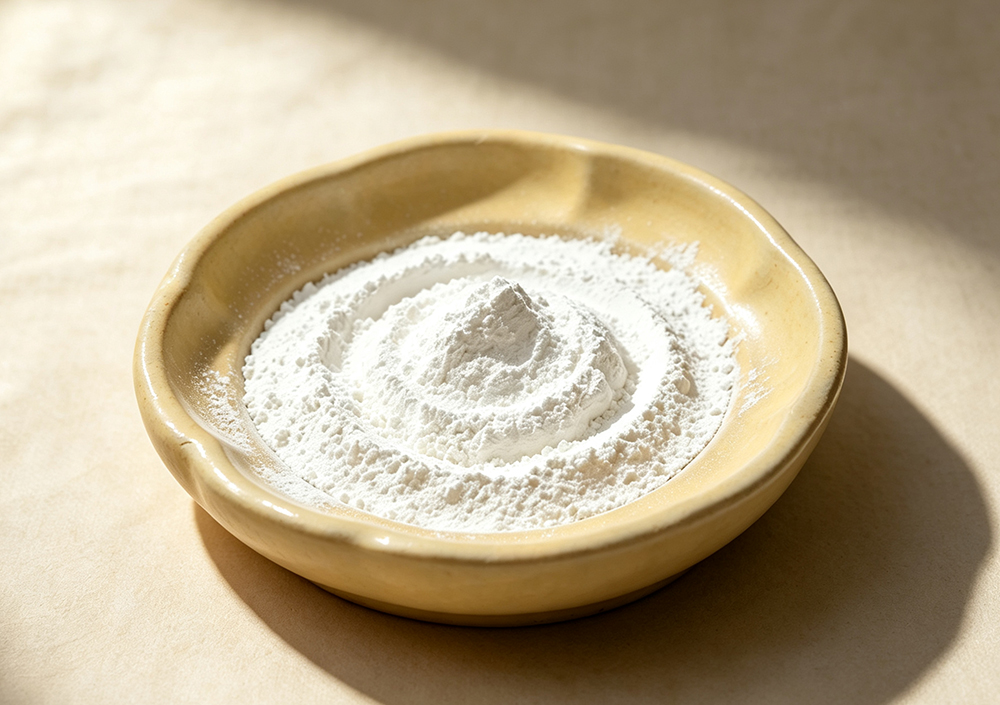
- Applicable scenarios: Ordinary products with low mechanical performance requirements and a core demand for incremental cost reduction.
- Typical applications: General plastics (such as plastic bags, plastic pipes, turnover boxes), exterior wall coatings (strong chemical inertness of heavy calcium, good weather resistance), low-end rubber (such as rubber sheets, shoe soles, floor mats), and paper fillers.
- Selection suggestion: Suitable for scenarios where pricing is based on weight, or for dark/black products with low whiteness requirements. Attention: The heavy calcium ratio is significant, and the amount of glue consumed is higher under the same volume. Therefore, comprehensive volume cost accounting is required.
Light Calcium: Performance Upgrade, Suitable for "High Whiteness Requirements" and "Half Reinforcement" Scenarios
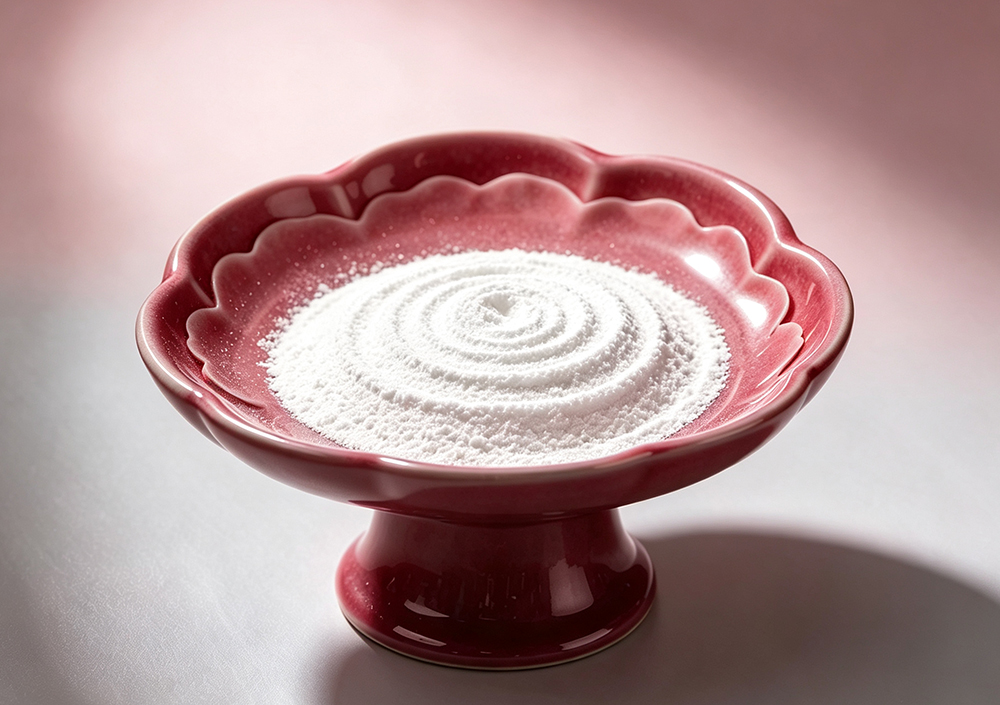
- Applicable scenarios: Scenarios that require surface glossiness, whiteness, and semi reinforcement effect, while also considering certain costs.
- Typical applications: mid to high end plastics (such as home appliance casings, plastic doors and windows, light calcium fine particle size can improve surface fineness), interior wall coatings (light calcium fine and white, can improve paint film fineness), mid-range rubber (such as V-belts, rubber shoes, light calcium can provide "stiffness"), daily chemical products (such as cosmetic powders, toothpaste friction agents).
- Selection suggestion: Suitable for scenarios where pricing is based on piece/area (light calcium has a small specific gravity and a large filling volume for the same weight, which may result in lower unit volume costs). Attention: Light calcium has a high oil absorption value, and excessive addition can easily cause the rubber material to dry out. It needs to be used in conjunction with operating oil.
Active Calcium: High End Demand, Suitable for "High Filling" and "High Reinforcement" Scenarios
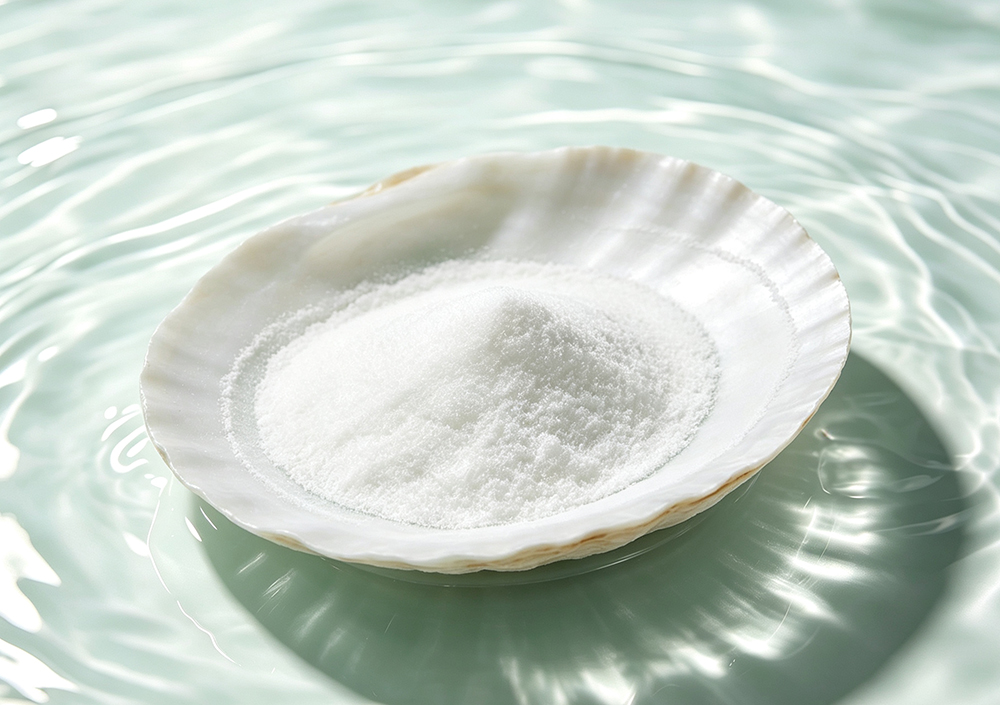
- Applicable scenarios: High end fields with extremely high requirements for mechanical properties (impact resistance, tensile strength), interface bonding, and processing fluidity of products.
- Typical applications: high-end plastics (such as automotive modified plastics and engineering plastics), high-end coatings (such as automotive paint and industrial anti-corrosion paint, with good dispersion of active calcium to enhance paint film adhesion), high-end rubber (such as automotive tire treads, shock absorbers, precision seals, with good reinforcement effect of active calcium to significantly reduce rubber usage).
- Selection suggestion: Suitable for high value-added and high filling formulas (active calcium has good compatibility, filling amount can reach 2-5 times that of ordinary calcium, and overall cost may be lower). Attention: Activated calcium is expensive, and it is necessary to evaluate whether the added value brought by performance improvement covers the cost, and to match the corresponding activator according to the matrix resin (such as silane modification suitable for rubber, stearic acid modification suitable for plastic).
Selection Summary
- Cost priority, basic filling: choose heavy calcium.
- Balancing cost and performance, with high whiteness requirements: choose light calcium.
- Ultimate performance, high added value, high filling: choose active calcium. In practical selection, the "gradient matching" strategy is often used (such as heavy calcium as a base to reduce costs, light calcium for stiffness adjustment, and a small amount of active calcium to improve the interface) to achieve the optimal balance between comprehensive cost and performance.