
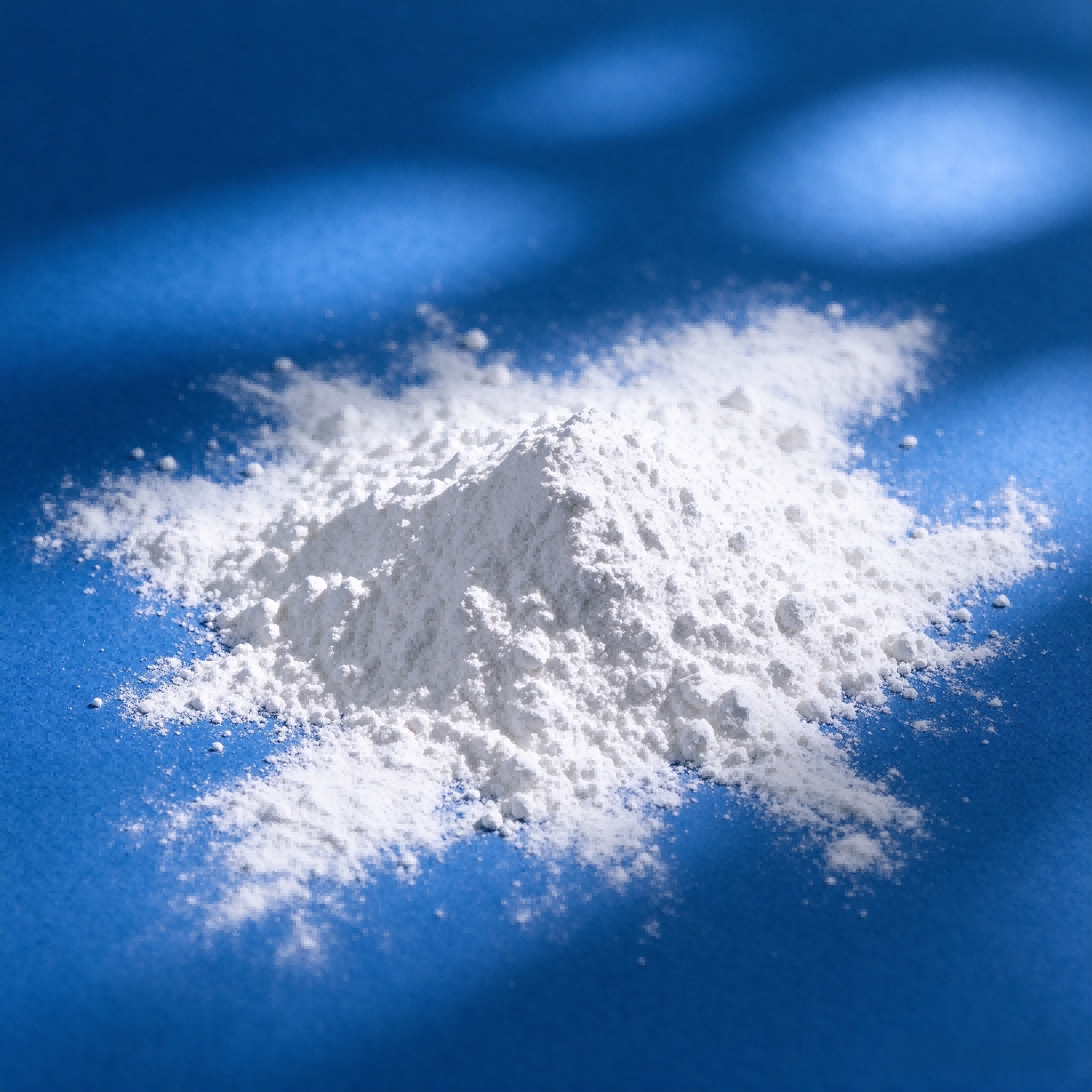
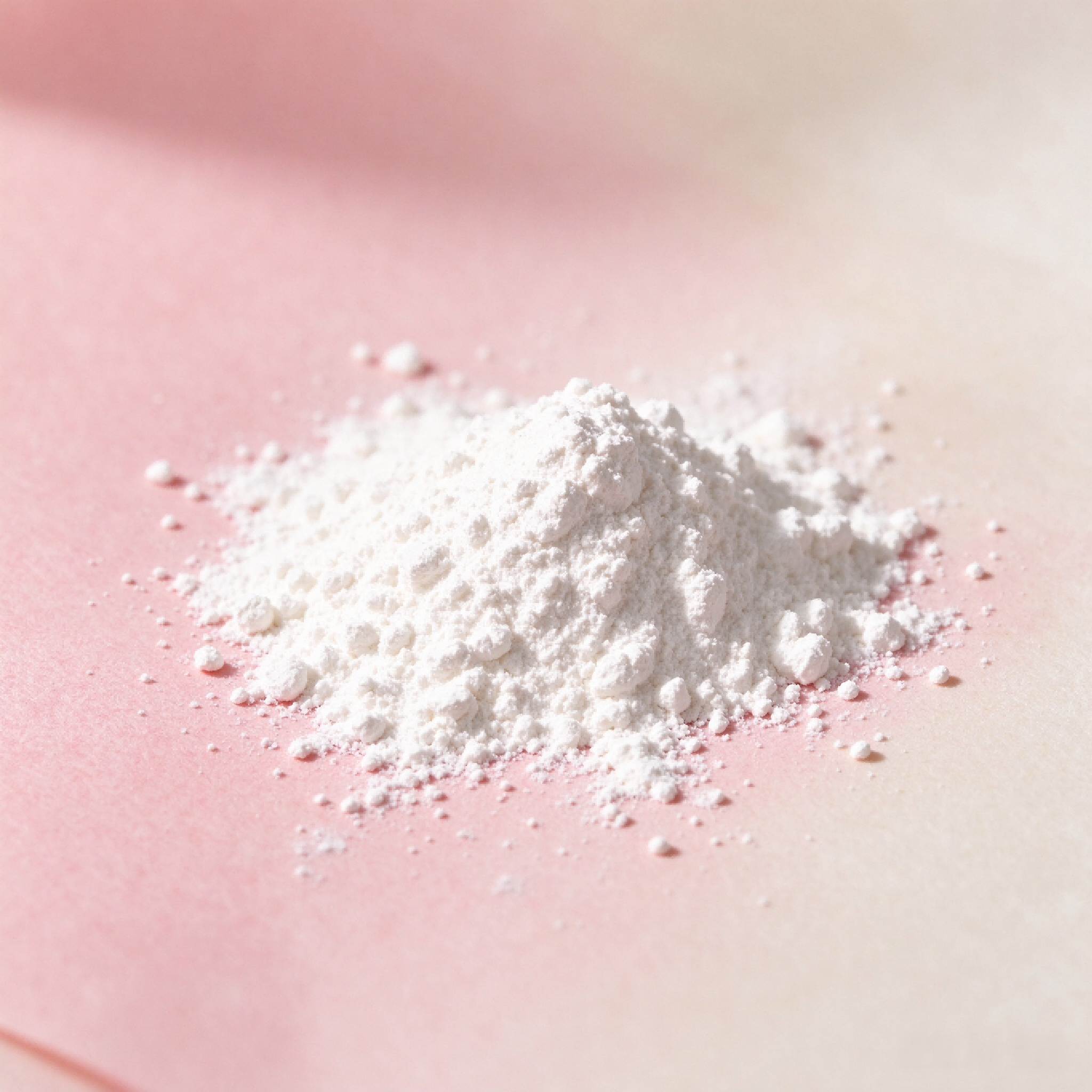
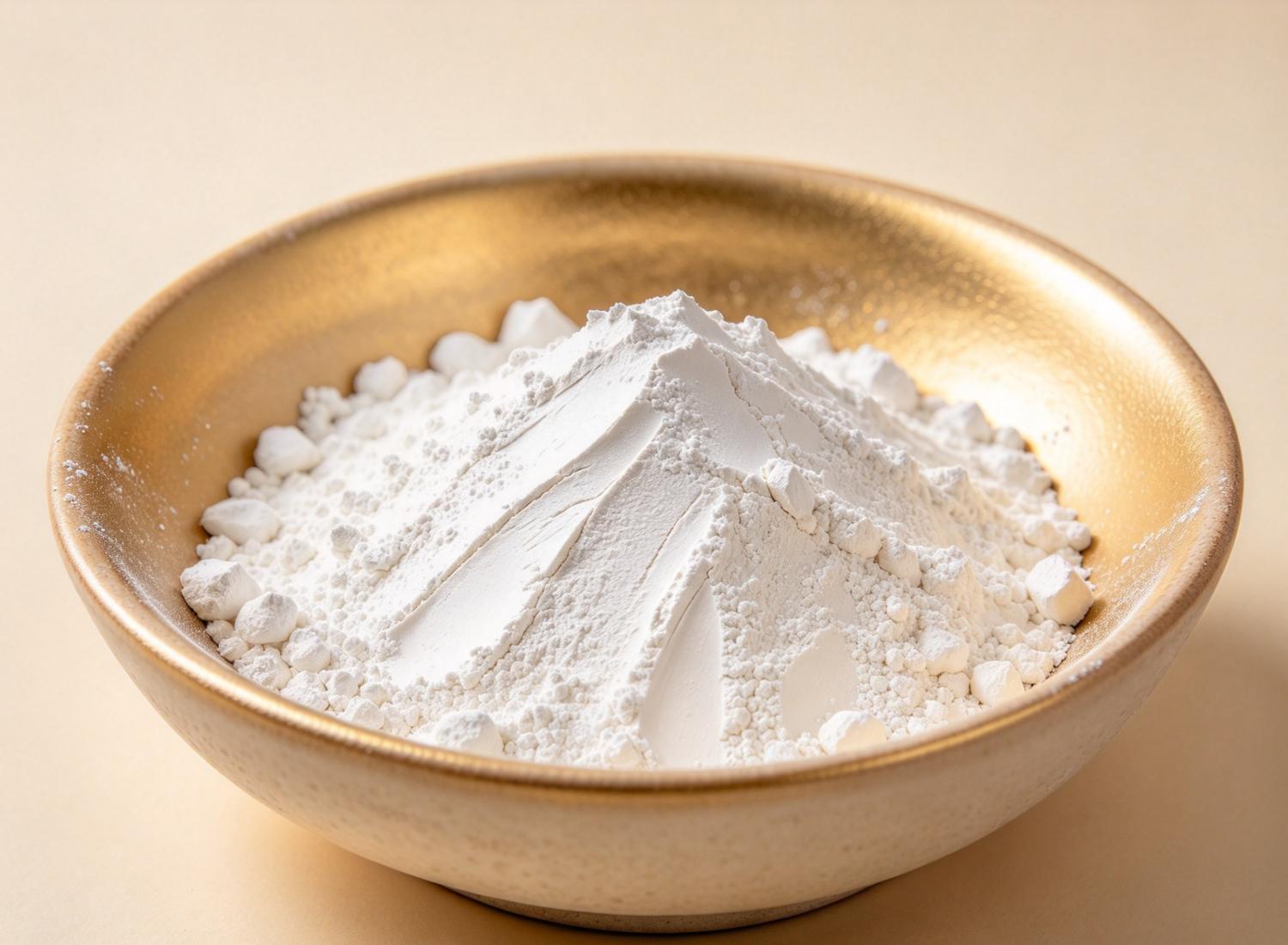
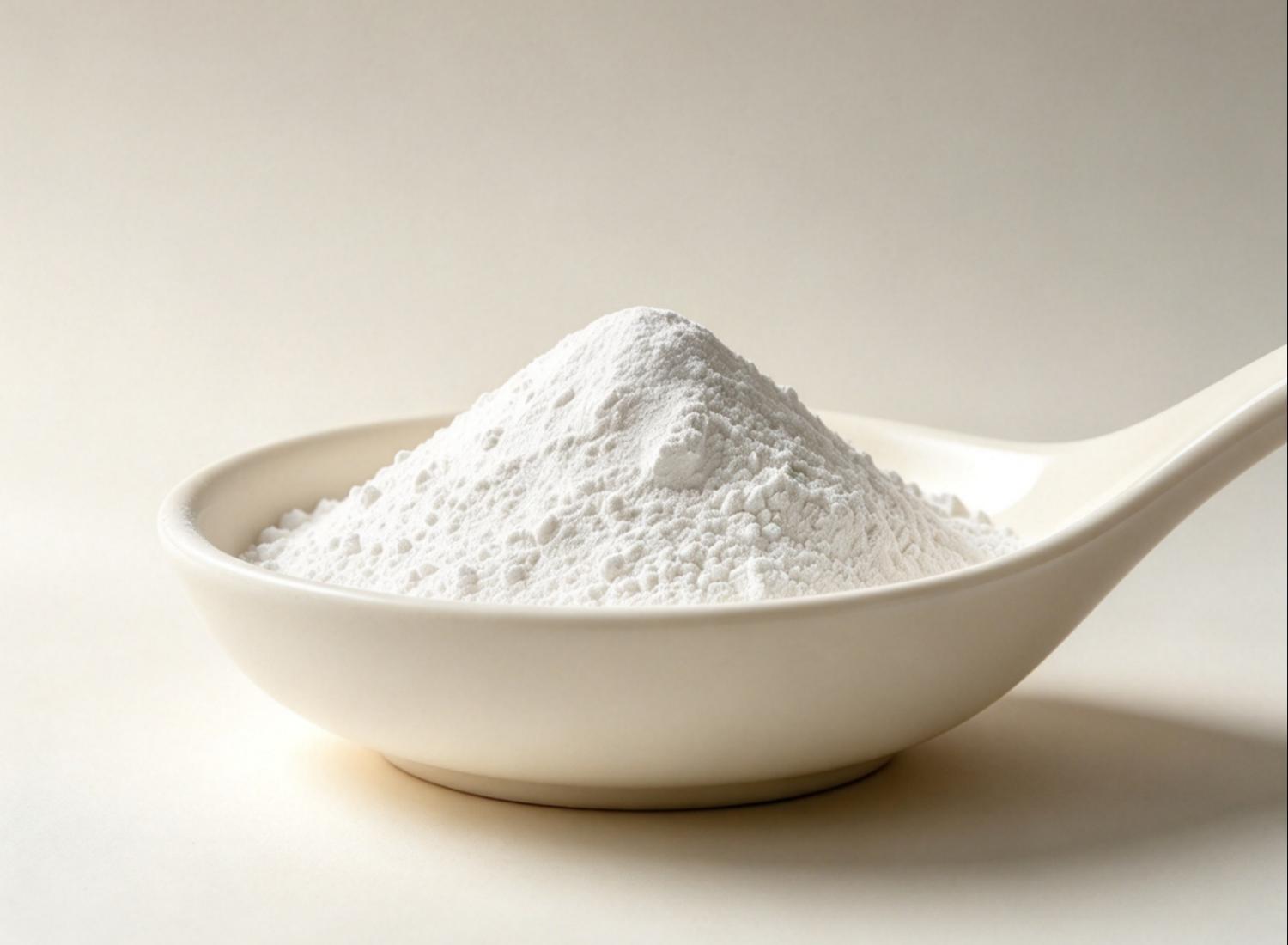
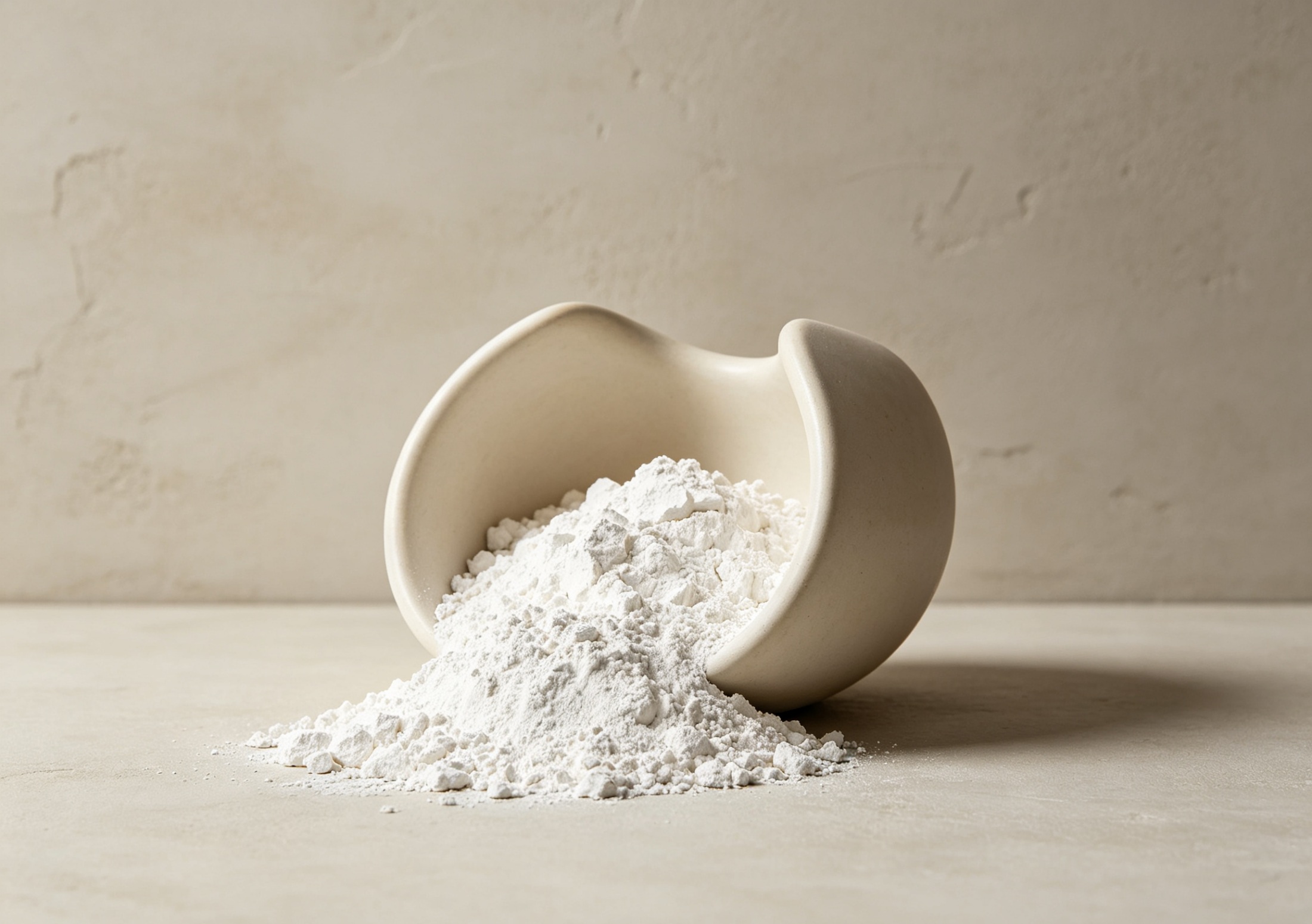
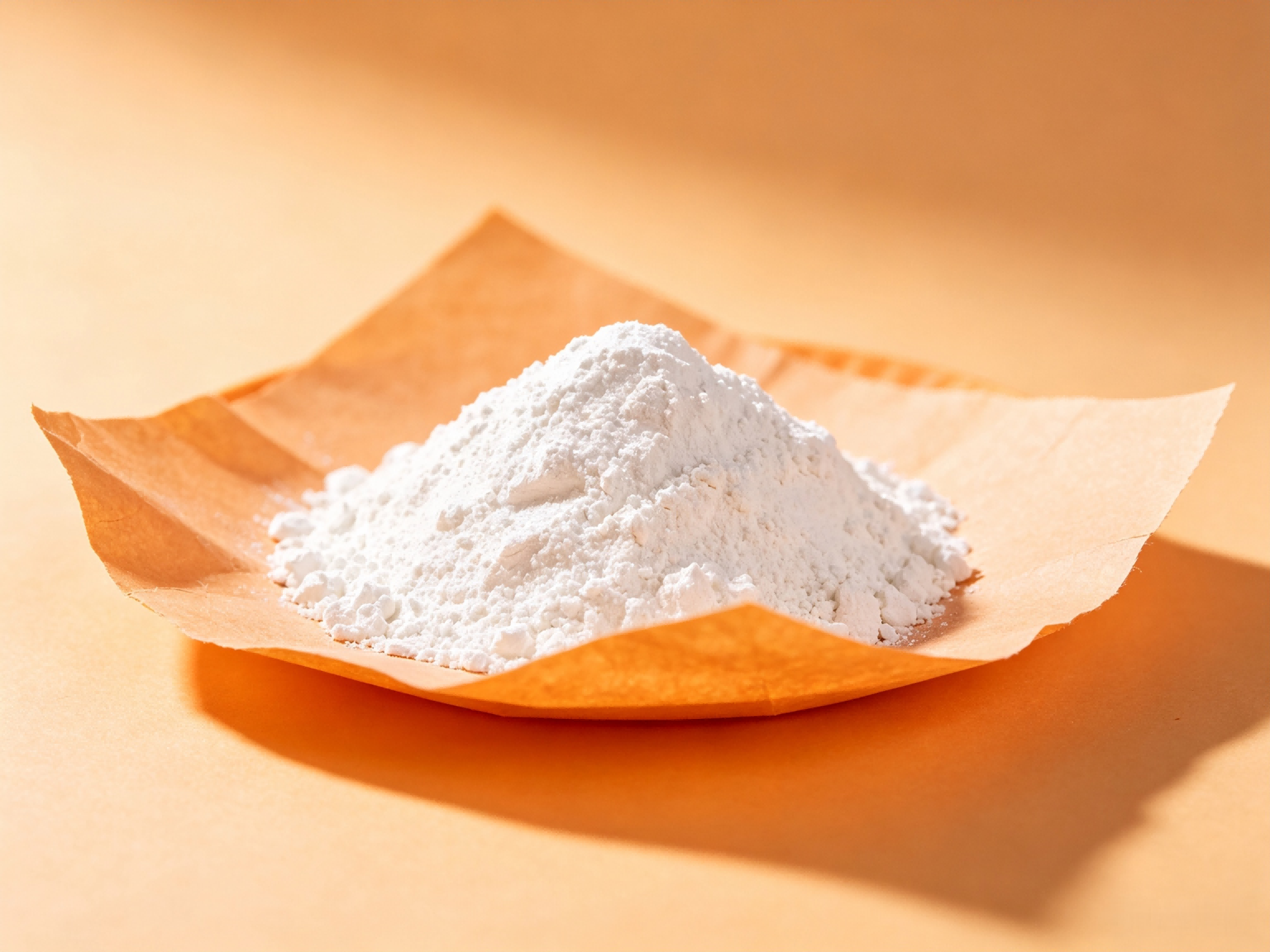
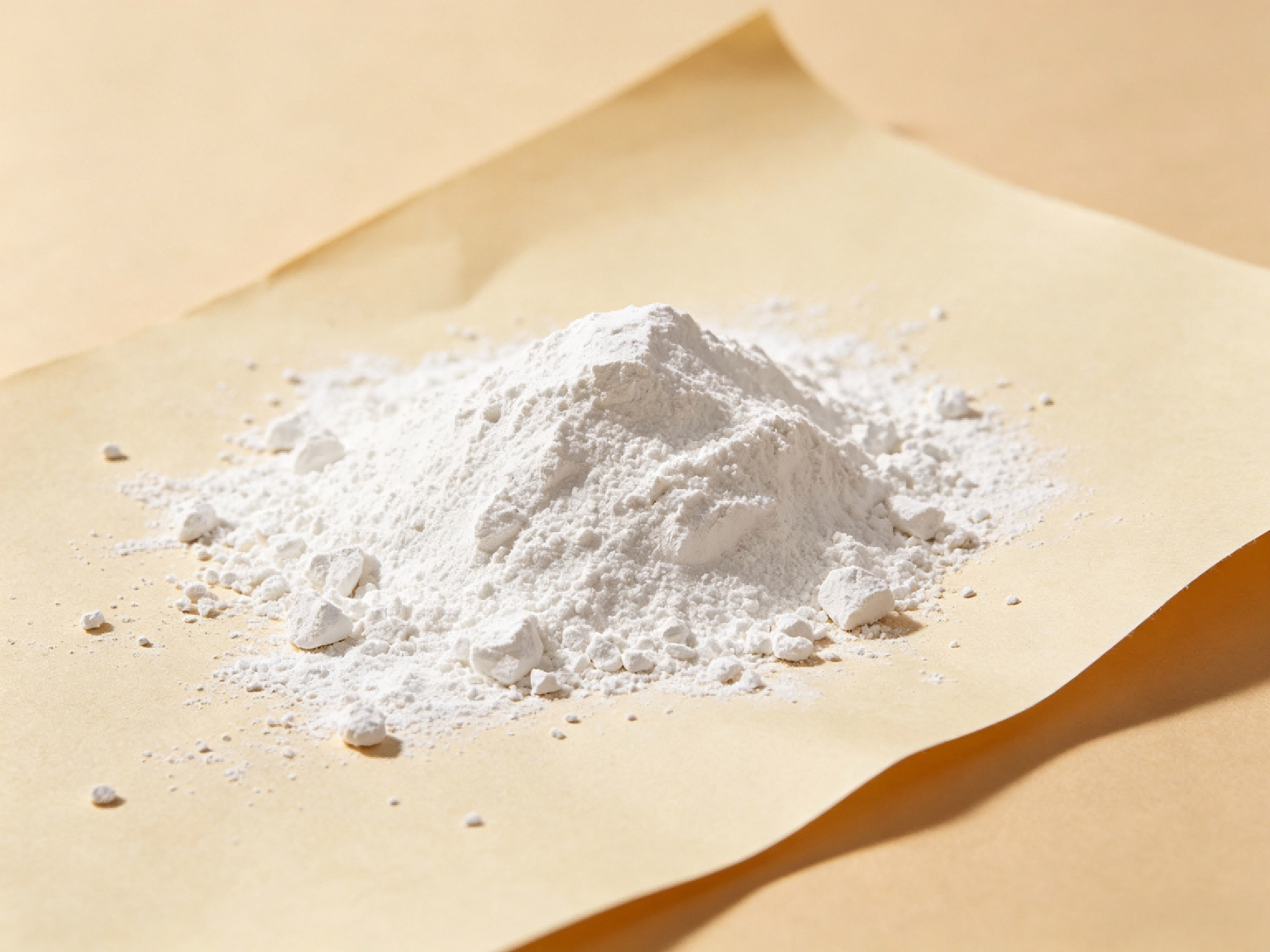
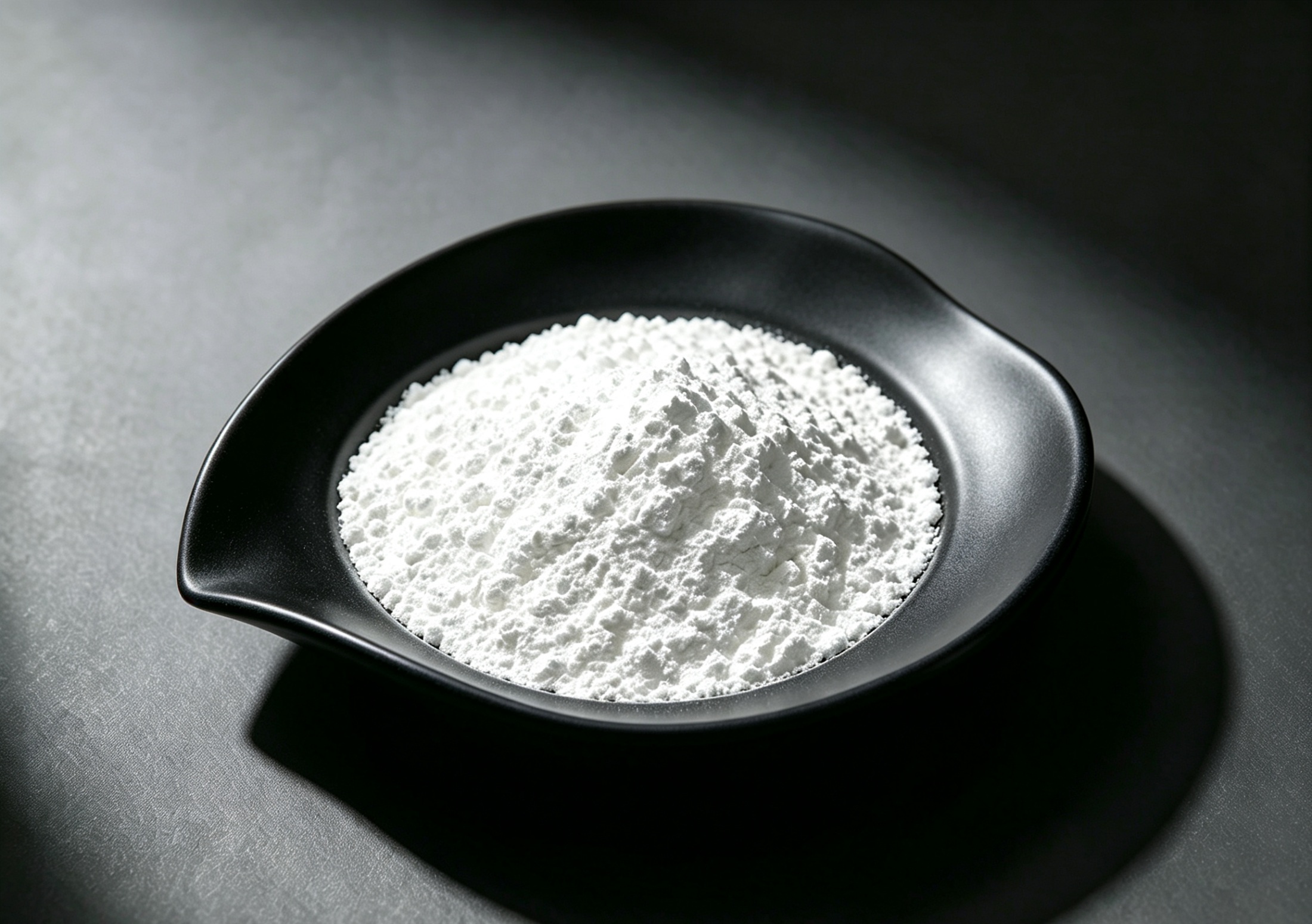
The Core of Calcium Carbonate (Heavy Calcium, Light Calcium, Active Calcium) Selection for Rubber Applications
The selection of calcium carbonate (heavy calcium, light calcium, active calcium) for rubber is based on the principle of "performance determined by the scenario, category determined by performance, and upper limit determined by cost". Due to different preparation processes, there are significant differences in reinforcement, processability, cost, and applicable scenarios among the three. Therefore, a comprehensive selection should be made based on product positioning, performance requirements, processing technology, and cost budget.
Core Differences and Performance Comparison
Heavy Calcium Carbonate (GCC)
- Process and characteristics: Natural ores (calcite/marble) are mechanically crushed, with irregular and coarse particles, high specific gravity, low oil absorption value, relatively low whiteness (gray/yellow), extremely weak reinforcement, and purely filling to reduce costs.
- Advantages: Lowest price, easy mixing, fast powder consumption, minimal impact on adhesive viscosity, good processability, and large filling volume.
- Disadvantage: After adding too much, the product is prone to brittleness, has poor tear resistance, and has limited improvement on the appearance (whiteness) of the product.
Light Calcium Carbonate (PCC)
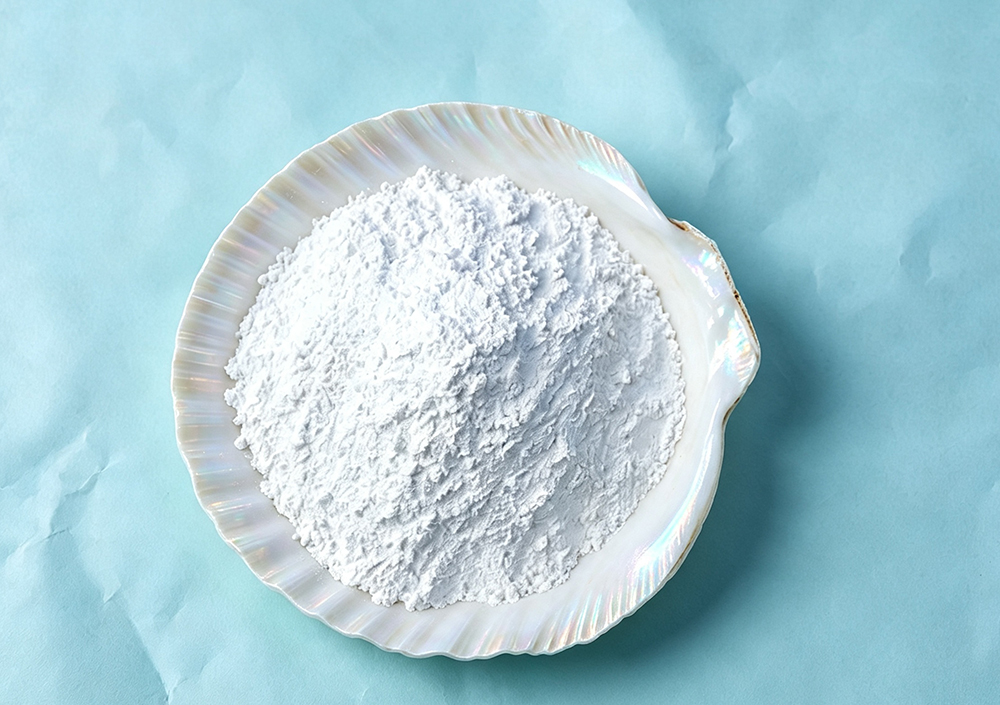
- Process and characteristics: Chemical precipitation method, fine particles, regular crystal structure (spindle/cubic, etc.), low specific gravity (fluffy), high oil absorption value, good whiteness, with a certain semi reinforcing effect (improving stiffness, hardness, and tensile stress).
- Advantages: Large filling volume (with a higher proportion of calcium in the same weight), which can improve the surface gloss of the product and is suitable for light/colored products.
- Disadvantage: High oil absorption value, easy agglomeration during mixing, easy drying and poor plasticity of the rubber material after adding more, requiring the addition of softeners, and relatively poor processability.
Activated Calcium Carbonate (AC)
- Process and characteristics: Surface modification (such as stearic acid or coupling agent coating) is carried out on the basis of heavy calcium or light calcium, and the surface changes from hydrophilic to oleophilic, greatly improving compatibility with rubber.
- Advantages: Good reinforcement performance (improving tensile strength, tear strength, wear resistance), good dispersibility, fast powder mixing, smooth rubber surface, reduced oil absorption value, minimal impact on vulcanization system, good aging resistance.
- Disadvantage: The highest price, with a significant cost premium for some high-end modifications (such as coupling agents).
Selection Guide (Based on Product Scenarios and Requirements)
Heavy Calcium: Focusing on "Extreme Cost Reduction" and "Easy Processing" Scenarios
- Applicable scenarios: Low end rubber products (such as rubber floor mats, ordinary rubber mats, low-end rubber soles, and large volume fillers), black/dark colored products, high hardness products (such as rubber rollers and sealing gaskets, which require rapid hardness increase and do not want to add too much carbon black), products with large extrusion/rolling volume (requiring easy processing and low energy consumption).
- Selection suggestion: Ordinary coarse powder (400-800 mesh) is sufficient, there is no need to blindly pursue ultra-fine, and the cost-effectiveness is the highest.
Light Calcium: Focusing on "Whiteness Requirements" and "Moderate Reinforcement" Scenarios
- Applicable scenarios: mid-range rubber products (such as colored/light colored products, rubber hoses, tape covers, V-belts, seals), semi transparent/micro transparent products (refractive index close to rubber, good transparency), calendering/coating adhesives (requiring adhesive materials with certain viscosity and adhesive hanging ability).
- Selection suggestion: Conventional industrial grade (400-1250 mesh) is sufficient, there is no need to blindly pursue nanoscale (extremely difficult to disperse); Pay attention to the high oil absorption value of light calcium, and when adding more, it is necessary to replenish the operating oil appropriately to prevent the rubber material from becoming too hard.
Active Calcium: Focusing on "Mid to High End" and "High Demand" Scenarios
- Applicable scenarios: mid to high end rubber products (such as automotive/mechanical precision seals, tire treads/sidewalls, high-end shoe soles, dynamic fatigue products such as shock absorbers, thin precision products), as well as high filling formulas (requiring additional filling but not wanting too much performance loss).
- Selection suggestion: Choose according to performance requirements. The cost-effectiveness of stearic acid modification is high (improving dispersion, limited reinforcement), and the reinforcement of coupling agent modification is good (suitable for high-end products); Attention should be paid to the compatibility of active calcium with the rubber system (such as silane modification suitable for diene rubber, with reduced effectiveness in saturated rubber).
Selection of Avoiding Pits and Practical Suggestions
Calculate the "volume cost" instead of the "unit price cost": The unit price of heavy calcium is low, but the specific gravity is high. Products of the same volume consume more glue, and the unit volume cost may not be low; The unit price of light calcium is slightly higher, but the comprehensive cost of light calcium may be lower for products with large volume filling and priced by piece/meter/square meter.
Gradient compounding: There is no absolutely perfect filler, it is recommended to use a gradient compounding scheme of "heavy calcium as a base to reduce costs+light calcium as a stabilizer+a small amount of active calcium to improve the interface", which has the highest cost-effectiveness.
Pay attention to indicator matching: After changing the filler or increasing or decreasing the dosage, it is necessary to retest the vulcanization curve and adjust the amount of accelerator to avoid the influence of filler alkalinity (light calcium) or impurities (heavy calcium) on the vulcanization rate, resulting in insufficient sulfur or burnt.