
From GCC to NCC: Your Quick Guide to Calcium Powder Types
Many friends who make plastics, coatings, rubber, and building materials are often confused by the names of various calcium powders when purchasing: heavy calcium, light calcium, active calcium, nano calcium, as well as 325 mesh, 1250 mesh, food grade... How many types of calcium powders are there?
In fact, calcium powder is not randomly classified by name, but mainly distinguished by four dimensions: production process, surface modification, particle size, and application grade. Understanding the classification makes the selection much simpler.
Divided by Production Process: Two Basic Categories
Heavy Calcium Carbonate (GCC)
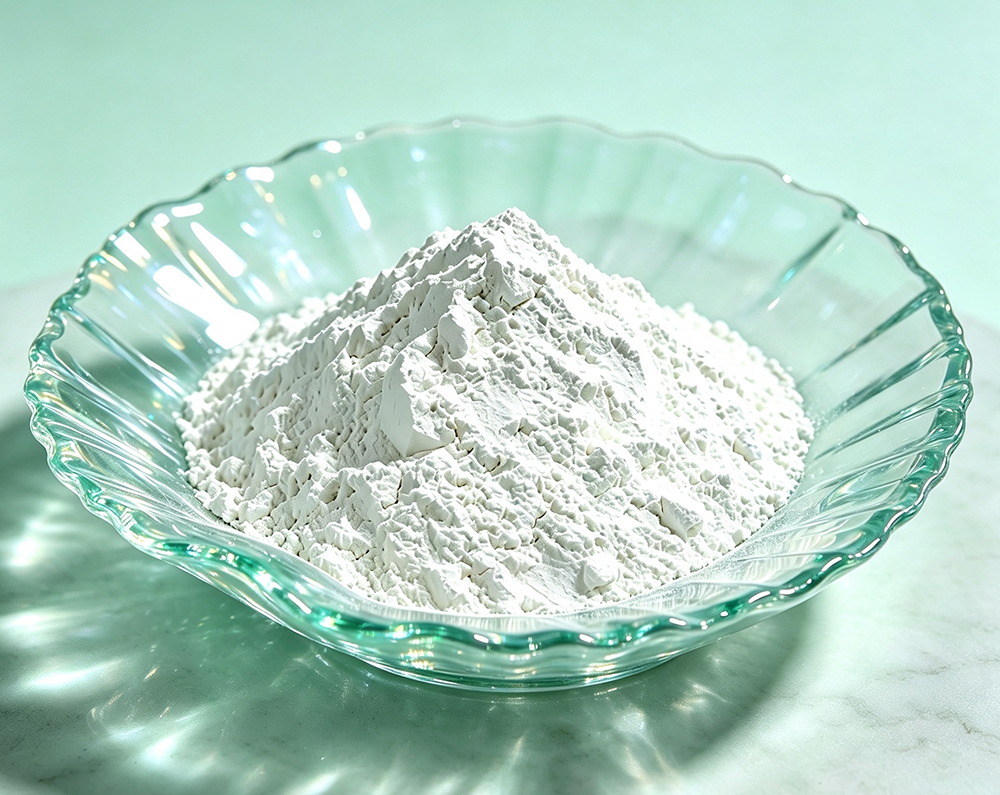
Using natural ores such as calcite, marble, and limestone as raw materials, it is directly produced through physical crushing, grinding, and grading without any chemical reactions. It is the most widely used calcium powder in the market.
✅ Advantages: Adequate supply, affordable price, good stability, low oil absorption value, and large filling volume.
❌ Shortcoming: The particles have many edges and corners, and the reinforcement ability is average.
👉 Applicable: Plastic pipes, woven bags, putty, coatings, artificial stones, and ordinary building materials filling.
Light Calcium Carbonate (PCC)
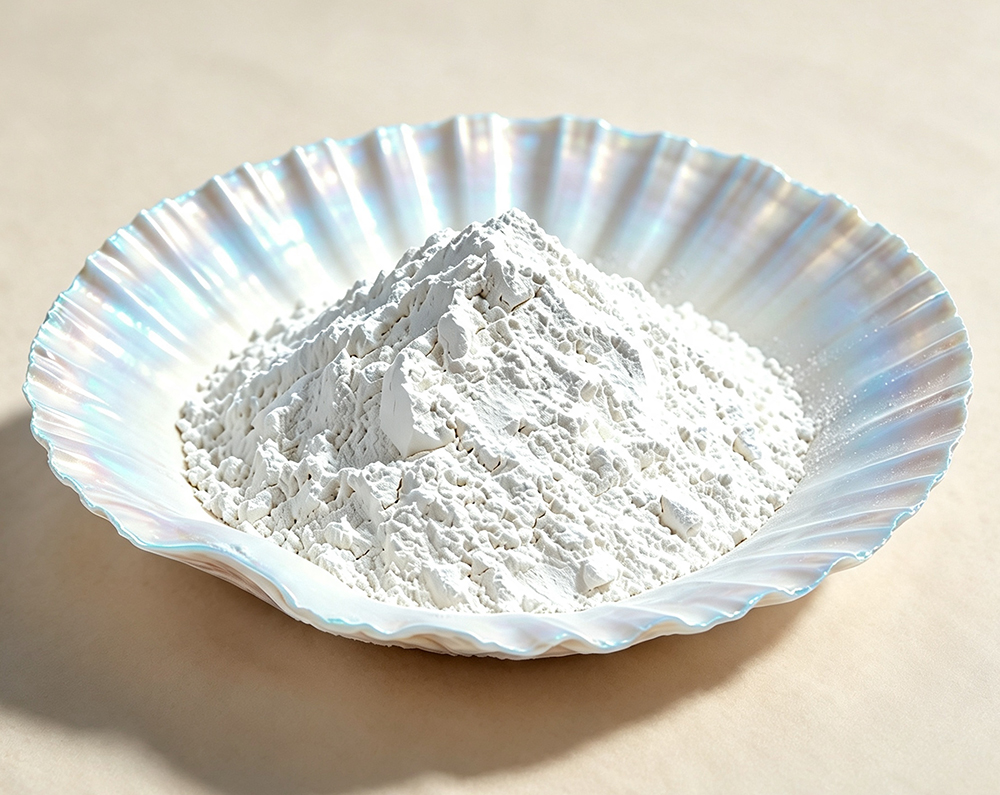
Derived from Chemical Synthesis: limestone calcination → digestion → carbonation precipitation → dehydration and drying to obtain powder, which belongs to artificial synthesis of calcium carbonate, and the powder is more fluffy.
✅ Advantages: High whiteness, regular particle shape, and certain reinforcement effect.
❌ Shortcomings: Higher production costs and higher oil absorption value compared to calcium.
👉 Applicable: PVC profiles, rubber, adhesives, ordinary coatings, paper industry.
Classified by Surface treatment: active calcium (modified calcium)
Both heavy calcium and light calcium can undergo surface modification treatment, and after treatment, they are called active calcium carbonate (modified calcium).
Ordinary calcium powder has a hydrophilic surface and poor compatibility with plastics and resins. Directly adding it can easily cause agglomeration and make the product brittle. After coating modification with stearic acid and coupling agent, the powder becomes lipophilic, better blends with organic materials, disperses well, improves product gloss and toughness, and reduces processing defects.
👉 Applicable: high-end plastics, masterbatch, sealants, rubber products.
Divided by particle size: from coarse powder to nano calcium
The same type of calcium, with different mesh sizes, has vastly different properties and prices:
Coarse Powder: 325-800 mesh, mostly used for putty, building materials, low-end filling, with a low price.
Ordinary Fine Powder: 1000-1500 mesh, mainstream specifications for general plastics and coatings.
Ultra Fine Calcium: 2000-5000 mesh, improves product gloss and surface effect, and increases price.
Nano Calcium Carbonate: with a particle size of less than 100 nanometers, it belongs to high-end ultrafine products, with outstanding reinforcement and toughening effects, and is expensive. Mostly used for silicone sealant, high-end rubber, ink, and high-end modified plastics.
Classified by Application Level: Industrial Grade, Food and Pharmaceutical Grade
Industrial Grade Calcium Powder: The vast majority of rubber, coatings, and building materials use it, emphasizing whiteness, fineness, and impurity content.
Food/Pharmaceutical Grade Calcium Carbonate: strict screening of ores, strict control of heavy metals, high purity. The bread, cereal, milk calcium tablets, and toothpaste we eat contain this type of calcium powder, and industrial calcium cannot be used as a substitute for food calcium.