
Can Heavy Calcium Carbonate with Higher Cost-Effectiveness Directly Replace Light Calcium
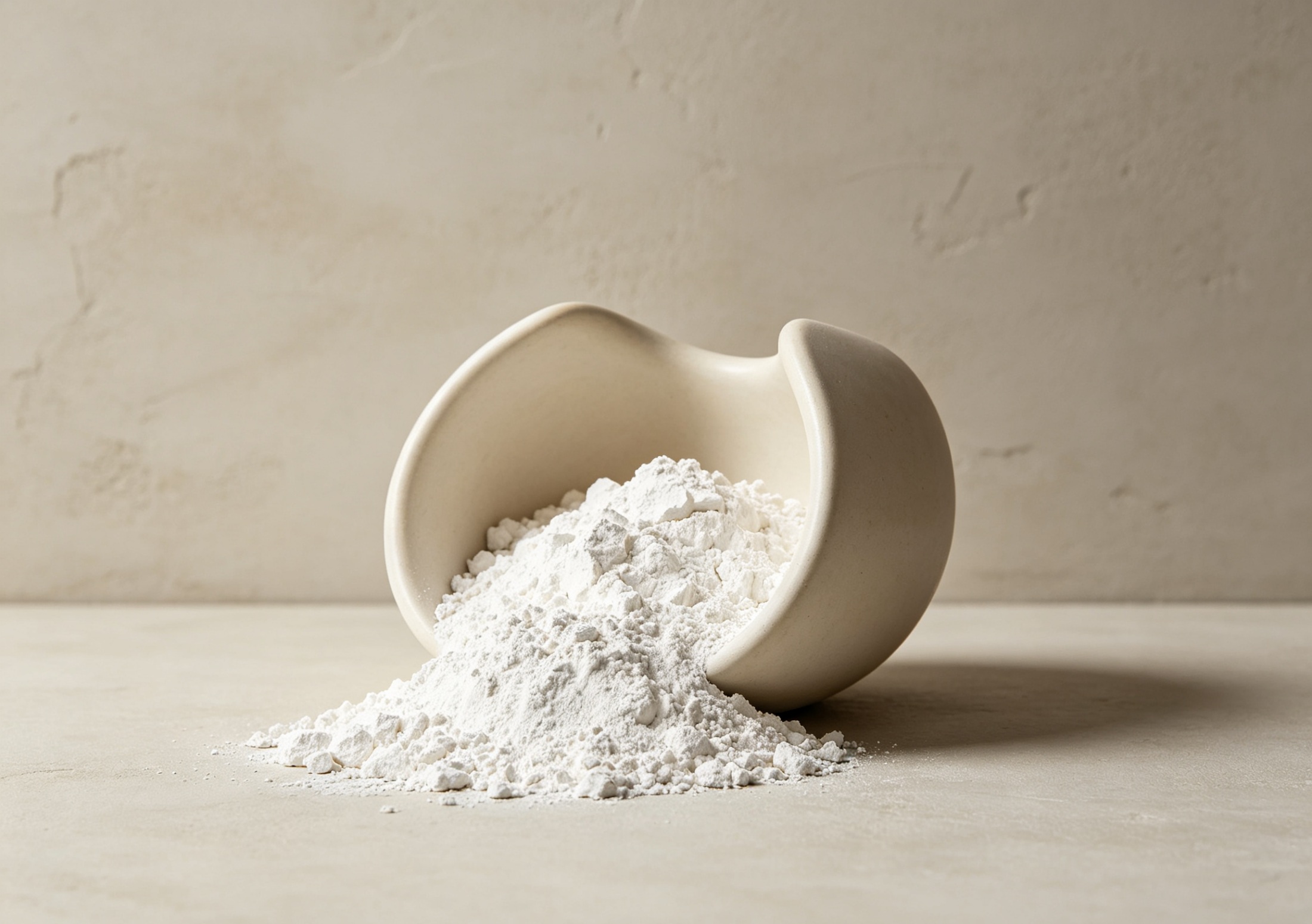
In the calcium carbonate filler market, heavy calcium carbonate (CaCO3) has become the most widely used filling material in the rubber, coating, putty, and resin tile industries due to its low cost, large reserves, and convenient processing. Many processing plants, in order to reduce production costs, raise a question: since heavy calcium is cheaper, can it completely replace light calcium carbonate with heavy calcium directly?
The answer is: it cannot be completely replaced unconditionally, some scenes can be partially replaced, and high-end scenes cannot be replaced. Today, we will break down the replacement logic of heavy calcium and light calcium from three dimensions: raw material characteristics, performance differences, and application scenarios.
First, Distinguish: the Essential Difference between Heavy Calcium and Light Calcium
Heavy calcium carbonate is made from natural calcite, marble, and limestone ores, which are crushed, ground and graded by vertical/Raymond mills, and mainly processed physically. The particles are irregular, the crystal structure is rough, the specific gravity is higher, the oil absorption value is lower, and the production cost is lower.
Light calcium carbonate is prepared by chemical synthesis method, which is generated through calcination, digestion, and carbonization reactions. The particles are fine, the crystal structure is regular, the specific surface area is larger, the whiteness, dispersibility, and reinforcement effect are better, the production process is more complicated, and the cost is higher than that of heavy calcium carbonate.
What Scenarios can Heavy Calcium Partially Replace Light Calcium?
In basic consumables that do not have strict requirements for mechanical properties and surface fineness, the reasonable combination of heavy calcium to reduce overall costs is a common solution in the industry:
- Ordinary exterior wall putty, base coating, low-end latex paint, waterproof base material;
- Ordinary pipes, injection molded miscellaneous parts, universal resin tiles, and ordinary plastic fillers;
- Industrial filling, roadbed, mortar, and building material foundation filling materials.
In These Scenarios, Heavy Calcium cannot Replace Light Calcium
- High gloss topcoat, high-end interior wall coating, and ink system with light calcium absorption value and better dispersibility can improve the fineness, glossiness, and covering power of the paint film. After replacing heavy calcium, it is easy to cause rough paint film, matte graying, and poor hand feel.
- Soft plastics, films, and high toughness rubber products have fine calcium particles and better compatibility with resins, which enhances the toughness and tensile strength of the products; After a large amount of replacement with heavy calcium, the product is prone to brittleness, decreased flexibility, and cracking.
- High end paper products, food additives, pharmaceutical excipients, and fine daily chemical fillers are used to synthesize light calcium with higher purity and stronger impurity controllability. Natural heavy calcium ore has greater fluctuations in impurities, and its compliance and stability in the fine field are not as good as light calcium.
- Adhesive and sealing materials with high reinforcement and adhesion are needed. Light calcium has a larger specific surface area to provide better adhesion and adsorption effects, while heavy calcium has weaker reinforcement performance.
Practical Suggestions for Raw Material Replacement (Factory Procurement&Formula Reference)
- It is not recommended to replace 100% directly. Priority should be given to conducting small sample testing for tensile strength, gloss, settlement, hardness, and weather resistance;
- Select high-quality vertical grinding ultrafine heavy calcium and high whiteness calcite raw materials to narrow the performance gap with light calcium;
- By adjusting the ratio of coupling agents, activating agents, and dispersants, the compatibility between heavy calcium and resin can be improved;
- Taking the comprehensive cost-effectiveness of finished products as the core, do not only look at the unit price of raw materials, but also ignore the defect rate, rework cost, and customer complaint cost.
Summary
Heavy calcium is an excellent filling material, but it is not a universal substitute. To reduce costs: formula compounding and partial substitution are the optimal solutions; Want high-end quality, high toughness, and high surface effect: The core advantages of light calcium cannot be completely replaced by heavy calcium. As a new material manufacturer, Shandong Useen recommends that processing plants customize calcium powder solutions based on their product positioning and terminal needs, and match them with heavy calcium, active calcium, and light calcium as needed to balance quality and cost, which is the long-term business strategy.