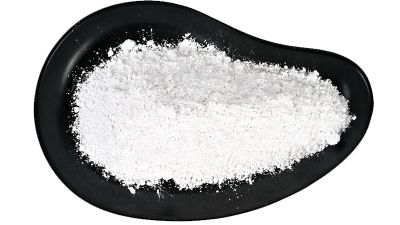
Calcium Carbonate Lime is quite a versatile compound that gets used all around the world in a bunch of different industries. You’ll find it everywhere—from farming to construction—showing just how important it is in everyday life. For companies hunting for dependable suppliers, this stuff is pretty much a must-have to boost their products.
When it comes to agriculture, Calcium Carbonate Lime is a real game-changer for soil health. It helps balance out soil pH and makes nutrients more available for plants. On the flip side, in the construction world, it’s a key ingredient in making cement and concrete, which is pretty cool. That kind of flexibility makes it a top choice for folks worldwide who want quality materials.
That said, finding a trustworthy source for Calcium Carbonate Lime isn’t always a walk in the park. There’s quite a bit of variation in quality between suppliers. Some might end up giving you products that just don’t cut it, and that leads to problems down the line. So, it’s really important to pick partners you can trust—those who put quality first. Do your homework and make sure you’re choosing wisely. Also, getting a good grasp of the difference between Slaked Lime Quick Lime and regular Calcium Carbonate Lime is super helpful to make the right call.

Top 10 Uses of Calcium Carbonate Lime for Global Buyers
Lime Calcium Carbonate is a versatile mineral used in various industries worldwide.
In construction, it serves as a critical ingredient in cement and concrete. Builders appreciate its ability to enhance strength and durability.
In agriculture, Lime Calcium Carbonate acts as a soil amendment, improving pH levels. Farmers utilize it to boost crop yields effectively.
Another prominent use is in the paint industry. Lime Calcium Carbonate is a cost-effective filler and pigment. It helps improve the texture and opacity of paints.
In plastics, it is used to enhance product strength and reduce costs. Many manufacturers rely on this mineral for sustainable production methods.
Despite its many benefits, awareness of quality standards remains essential. Buyers must ensure they source high-purity Lime Calcium Carbonate.
Contaminated products can harm the end-user applications. Additionally, some processing methods may alter the properties of this mineral.
Therefore, buyers should consider factors like particle size and fineness to achieve optimal results.
Understanding Calcium Carbonate Lime: Properties and Benefits
Calcium Carbonate Lime
is widely recognized for its diverse applications in various industries. This natural compound offers remarkable properties that promote environmental sustainability. The ability of Calcium Carbonate Lime to neutralize soil acidity enhances agricultural productivity. According to a report by Grand View Research, the global agriculture sector is the largest consumer of Calcium Carbonate, accounting for over 50% of its use.
In the construction industry, Calcium Carbonate Lime serves as a critical component in building materials. Its integral role helps improve the durability and structural integrity of products such as cement and plaster. Additionally, Calcium Carbonate Lime is used in water treatment processes to reduce heavy metal ion concentrations. A study published in the Journal of Environmental Management highlights its effectiveness in removing contaminants.
Despite its advantages, there are challenges. Quality control issues can arise in the sourcing of Calcium Carbonate Lime, which can affect product performance. Buyers must conduct thorough evaluations to ensure they receive high-quality materials. Misunderstandings about the appropriate application ratios can also lead to suboptimal results in agricultural practices. Addressing these complexities is essential for maximizing the benefits of Calcium Carbonate Lime in various sectors.
Use #1: Agricultural Applications for Soil Improvement and Fertilization
Agricultural applications of calcium carbonate lime play a crucial role in soil improvement and fertilization. Lime Is Calcium Carbonate, commonly used to adjust soil pH levels. A balanced pH is essential for optimal plant growth. Farmers often use lime to reduce soil acidity. This enhancement can lead to healthier crops and increased yields.
Using lime in soil can improve nutrient availability. Essential nutrients like nitrogen, phosphorus, and potassium become more accessible when pH levels are optimal. This means crops can absorb nutrients efficiently. However, over-application of lime can lead to imbalances. Monitoring soil pH regularly is necessary to avoid such issues.
Tips: Before applying lime, conduct a soil test. This helps determine the specific lime requirement. Timing is important too. Applying lime in the fall allows it to work into the soil effectively before planting. Remember, each soil type is unique; listen to its needs. Always consider local agricultural advice to improve soil health sustainably.
Use #2: Role in Construction Materials and Building Projects
Calcium carbonate lime plays a crucial role in construction materials and building projects worldwide. This compound is widely used in producing cement, a fundamental component in construction. According to the US Geological Survey, the global consumption of lime in construction is projected to exceed 200 million tons annually by 2025. This rising demand signals a robust construction industry that increasingly relies on sustainable materials.
Incorporating calcium carbonate lime into construction enhances durability and stability in various applications, such as concrete and mortar. Studies indicate that lime-treated soils improve load-bearing capacity and reduce the plasticity of clay soils. This means a more stable foundation for buildings and roads. However, there are challenges. The environmental impact of quarrying and carbon emissions during processing remain concerns. Addressing these issues requires innovative techniques and a commitment to sustainability.
Lime serves as a cost-effective solution, but its role must be carefully managed. Relying too heavily on traditional extraction methods can lead to resource depletion. The need for balanced approaches is evident in several industry reports. They highlight the importance of adopting eco-friendly practices while ensuring product efficiency. Achieving this balance will be critical for the future of construction.
Use #3: Calcium Carbonate in the Environmental Sector for Water Treatment
Calcium carbonate lime plays a crucial role in the environmental sector, particularly in water treatment. It is widely used to improve water quality. This compound helps in neutralizing acidity in water, making it less harmful for aquatic life. When added to acidic water, it reacts to increase pH levels. This process is vital for ensuring a balanced ecosystem.
The use of calcium carbonate also aids in the removal of heavy metals from water. Heavy metals can be toxic and pose severe health risks. By using calcium carbonate, water treatment facilities can precipitate these harmful substances. This not only makes the water safer but also helps protect local wildlife and plant life.
While calcium carbonate is effective, it’s essential to monitor its usage carefully. Overuse can lead to fluctuations in water quality. In some cases, it may not fully address pollution issues. Continuous research and effort are needed to improve water treatment processes. Finding the right balance is critical to enhance both water safety and environmental health.
Use #4: Applications in the Paint and Coatings Industry
Calcium carbonate lime plays a significant role in the paint and coatings industry. It acts as a filler, providing texture and improving the paint’s overall performance. This mineral enhances opacity, allowing for better coverage on surfaces. Paint manufacturers often rely on its cost-effectiveness and availability, making it a preferred choice.
In addition to its functional benefits, calcium carbonate lime contributes to the environmental responsibility of the industry. It helps reduce the amount of more expensive and less eco-friendly materials used in formulations. However, some challenges exist. Different grades of calcium carbonate can impact the final product's quality. Manufacturers must choose the right type to avoid diminishing paint durability.
Another aspect to consider is the potential for inconsistency in supply. Regional variations in quality can lead to unexpected results. As buyers explore options, they must remain aware of these factors. Awareness will ensure they invest in sustainable, high-quality solutions that meet their specific needs.
Top 10 Uses of Calcium Carbonate Lime in the Paint and Coatings Industry
This bar chart illustrates the various applications of Calcium Carbonate in the Paint and Coatings Industry, showcasing the percentage usage across different categories.
Use #5: Importance in Food and Beverage Products as a Food Additive
Calcium carbonate lime plays a crucial role in the food and beverage industry. It serves as a versatile food additive, enhancing both the nutritional profile and safety of various products. As a source of calcium, it helps fortify food items. This mineral is essential for bone health and metabolic functions.
In beverages, calcium carbonate lime can act as a stabilizer and acidity regulator. It can help neutralize acidity in soft drinks, improving taste without compromising safety. However, it's important to balance the amount used. Too much can lead to adverse effects on flavor. Monitoring the levels is vital for maintaining product quality.
Tips: Ensure accurate measurements when incorporating calcium carbonate into recipes. Consumers appreciate transparency about additives, so include information on the label. Testing small batches can help refine taste and prevent waste. This approach encourages creativity while maintaining product integrity.
Use #6: Contribution to Pharmaceuticals and Medical Products
Calcium Carbonate Is Lime, a vital ingredient in the pharmaceutical industry. Its properties make it suitable for various medical applications. For example, it serves as an antacid, neutralizing stomach acid effectively. According to a report by the National Institutes of Health, calcium carbonate is commonly prescribed for patients with acid-related disorders.
In addition to its use as an antacid, calcium carbonate is crucial in drug formulation. It acts as a filler and binder in tablets. This enhances the stability and delivery of active ingredients. A study from the Journal of Pharmaceutical Sciences noted that nearly 30% of commercially available tablets contain calcium carbonate. This high percentage attests to its significance in ensuring quality medication.
However, reliance on calcium carbonate also presents challenges. Overuse can lead to kidney stones and other health issues. Industry professionals must evaluate the balance between benefits and risks. Ensuring optimal dosages and understanding individual patient needs is essential. The role of calcium carbonate in pharmaceuticals raises important questions about safety and long-term effects.
Use #7: Industrial Uses in Steel Manufacturing and Other Processes
Calcium carbonate lime plays a vital role in steel manufacturing and various industrial processes. Its key function is to act as a flux. By lowering the melting point of raw materials, it enhances efficiency in production. Industry reports highlight that the use of lime in steelmaking can improve the overall quality of steel. This method not only removes impurities but also adjusts the silica content in the materials.
Additionally, lime's unique properties contribute to environmental sustainability. With a growing focus on reducing carbon footprints, industries are adopting lime in processes to capture CO2. Research indicates that lime can effectively sequester carbon emissions during steel production. However, challenges include the energy-intensive nature of lime production itself. While lime-based approaches show promise, ongoing research is needed to optimize energy use and enhance effectiveness.
In summary, the applications of calcium carbonate lime in steel manufacturing reveal its importance in enhancing production efficiency while also promoting sustainability. As industries evolve, balancing economic viability with environmental responsibility remains a critical consideration.
Exploring High-Quality Precipitated Calcium Carbonate (PCC) for Superior Coating and Painting Applications
Exploring high-quality Precipitated Calcium Carbonate (PCC) reveals its significant role in enhancing the effectiveness of coatings and paints. Known for its white opacity and fine particle size, PCC serves as an ideal pigmenting agent, offering improved brightness and smoothness in surface finishes. This makes PCC particularly appealing to industries that demand superior aesthetic qualities in their products, such as the automotive and architectural coatings sectors. Its ability to enhance performance characteristics while maintaining cost-effectiveness aligns perfectly with the evolving needs of modern manufacturing.
In addition to aesthetics, PCC's diverse applications extend to various industrial sectors, including paper-making, rubber, plastics, and construction materials. The versatility of PCC allows it to be tailored for specific uses, ensuring optimal performance in different production processes. Available in convenient packaging of 25kg and 500kg, it can easily be sourced for both large-scale manufacturing and smaller projects. With flexible delivery terms from Qingdao port, clients can enjoy a seamless supply chain experience, whether opting for EXW, FOB, or other shipping arrangements. As a leading supplier in China, our commitment to high-quality Precipitated Calcium Carbonate supports industries in achieving their performance goals while maintaining the highest standards of material excellence.
FAQS
: It has diverse applications, especially in agriculture and construction.
It neutralizes soil acidity, promoting better crop growth and higher yields.
Conduct a soil test to determine specific lime requirements for their fields.
It can cause nutrient imbalances, affecting crop health and yields.
It enhances the durability and structural integrity of materials like cement and plaster.
Yes, it effectively reduces heavy metal ion concentrations, purifying water.
Quality control is crucial to ensure high-performance materials are obtained.
It acts as an antacid and is a common filler in tablet formulations.
It may lead to kidney stones and other health complications.
Regular checks help maintain optimal soil pH and avoid negative impacts on crops.
Conclusion
Calcium Carbonate Lime is a versatile mineral with a wide range of applications that cater to global buyers. Its properties make it an essential component in various industries, such as agriculture, where it plays a vital role in improving soil quality and fertility. In construction, Calcium Carbonate Lime is used in the production of building materials, enhancing durability and stability.
Moreover, its significance extends to environmental applications, particularly in water treatment processes, ensuring clean and safe water. The paint and coatings industry also benefits from Calcium Carbonate Lime as a key ingredient, providing quality and adherence. Additionally, it serves as a food additive in the food and beverage sector, and contributes to pharmaceuticals and medical products. Lastly, its industrial uses are noteworthy, especially in steel manufacturing, showcasing its importance across multiple sectors.