You know, with everything going on around climate change, it's clear that cutting down on carbon emissions isn’t just a good idea — it’s pretty much essential. I read a report from the International Energy Agency (IEA) that says we really need to slash global CO2 emissions by about 45% by 2030 if we want to keep global warming in check. It’s a tall order, but many countries are really stepping up, coming up with creative strategies and policies to make a difference.
Take Sweden and Denmark, for example. They’re kind of leading the charge, showing everyone how investing in renewable energy can make a huge impact on reducing CO2. In Sweden, over half of their energy actually comes from clean, renewable sources — pretty impressive, right? Still, the road isn’t the same for everyone. Some countries are making quick progress, while others are still lagging behind. That really highlights how different levels of commitment and resources can shape outcomes.
And it’s not just about adding more renewables. According to the World Resources Institute, we need big systemic changes, especially in sectors like transportation and industry. Countries aren’t just trying to cut emissions — they’re also trying to figure out how to do so while keeping their economies running smoothly. All of this raises some tricky questions about fairness in resource use, and how we can really make our practices more sustainable across the board.
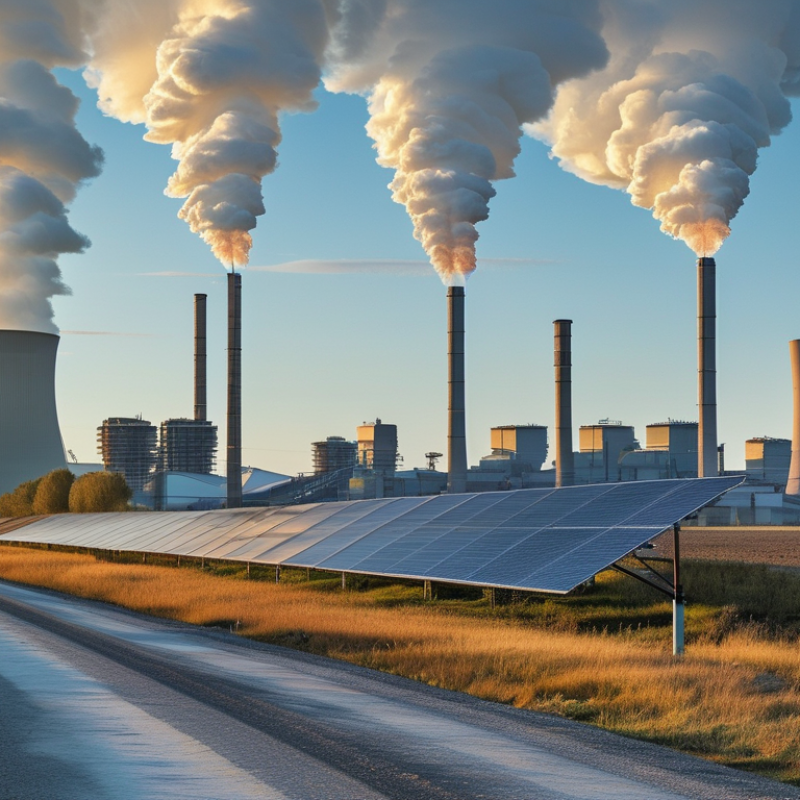
Overview of Carbon Dioxide Emissions and Climate Change Impact
Carbon dioxide emissions are a significant driver of climate change. These emissions mainly come from fossil fuel combustion, industrial processes, and deforestation. The effects of climate change are visible across the globe. Extreme weather events, melting ice caps, and rising sea levels threaten ecosystems and human communities alike.
Countries are increasingly aware of their carbon footprints. Some nations are implementing strategies to reduce emissions effectively. For example, many are investing in renewable energy sources, such as wind and solar power. Others are enhancing energy efficiency in transportation and buildings. Despite these advancements, some challenges remain. Many factors hinder rapid progress, including economic dependencies on fossil fuels and political resistance.
Public awareness and engagement are also crucial. Citizens can influence policy changes through advocacy and lifestyle choices. There’s a growing interest in minimizing individual carbon footprints. However, there are still obstacles, such as misinformation and apathy. It is essential to confront these issues for the sake of future generations. Each step toward reducing emissions counts, but the journey is far from complete.
Top 10 Countries Reducing Carbon Dioxide Emissions
This bar chart illustrates the reduction of carbon dioxide emissions in the top 10 countries that have made significant efforts to mitigate climate change. The data reflects the percentage decrease in CO2 emissions from 2010 to 2020.
Criteria for Evaluating Countries' Carbon Reduction Efforts
Evaluating countries' carbon reduction efforts is crucial. Various criteria can provide insights into their progress in reducing carbon dioxide emissions. One key measure is the percentage reduction in national emissions. For example, countries like Sweden and Denmark have aimed at reducing their emissions by over 30% since 1990. Reports from the Global Carbon Project show that these nations have successfully lowered their carbon footprints significantly.
Another important factor is the transition to renewable energy. Countries investing heavily in solar, wind, and hydropower tend to show greater reductions in carbon dioxide emissions. Germany's Energiewende policy emphasizes renewable energy, contributing to a 14% decrease in emissions from 2010 to 2020. Data indicates that transitioning from fossil fuels not only supports environmental goals but can also boost economic growth.
Monitoring carbon footprints through sustainable practices is essential. Nations often face challenges with industries that heavily rely on fossil fuels. This creates a disparity in progress. Consumers and businesses can also play a vital role. Shifting to electric vehicles and supporting sustainable local products can reduce personal emissions. Every small effort contributes to the broader goal of lowering carbon dioxide levels in the atmosphere.
And Carbon Dioxide emissions remain a pressing global concern. Balancing environmental action with economic needs is a complex but necessary task.
Top 10 Countries Successfully Reducing Carbon Emissions
Countries around the world are making strides to reduce carbon emissions. Some nations are leading the way, showcasing innovative strategies. For instance, renewable energy projects are becoming more common. Wind and solar power are replacing fossil fuels in many regions. This shift is crucial for sustainable development.
Germany stands out with its aggressive renewable policies. They aim to phase out coal and ramp up green energy sources. The government invests heavily in technology that harnesses wind and solar power.
Meanwhile, Denmark has made significant progress in wind energy. Over 40% of its energy comes from wind turbines. Such dedication reflects a strong commitment to sustainability.
However, these accomplishments are not without challenges. Some countries face pushback from industries reliant on fossil fuels. Transitioning economies can be slow and complicated. Infrastructure improvements are often needed, which require time and resources. While efforts are commendable, reflecting on these challenges can help refine future approaches. Countries can learn from each other’s successes and failures.
Innovative Technologies Driving Emission Reductions Globally
Innovative technologies are transforming the landscape of carbon dioxide emission reductions globally. According to a report from the International Energy Agency, advancements in renewable energy technologies, such as solar and wind, have boosted their share in global energy consumption to 29%. This shift is vital, as these sources emit significantly lower CO2 compared to fossil fuels.
Carbon capture and storage (CCS) is also gaining traction. The Global CCS Institute noted that over 40 million tons of CO2 are captured and stored annually. This method prevents emissions from entering the atmosphere, directly reducing the carbon footprint. Countries like Norway and the United Kingdom are leading in CCS projects, demonstrating its potential for large-scale deployment.
Electric vehicles (EVs) represent another innovative solution. The International Council on Clean Transportation reported that EV sales increased by 43% in 2021. This surge is a step towards reducing emissions from the transportation sector, which accounts for 24% of global CO2 emissions. Yet, challenges remain, such as the need for sustainable battery production and recycling processes. These gaps highlight the ongoing struggle to balance progress with environmental responsibility.
Policies and Regulations Influencing Carbon Emission Mitigation
Countries around the world are taking significant strides to reduce carbon dioxide emissions. Policies and regulations play a crucial role in this endeavor. According to a 2022 report by the International Energy Agency, carbon emissions fell by 1.8 billion tons, a notable decrease attributed to ambitious governmental measures.
For instance, various nations have adopted carbon pricing strategies, compelling industries to limit emissions. In some cases, emission trading systems are implemented, allowing companies to buy and sell permits. This flexibility encourages innovation while maintaining accountability. Additionally, renewable energy incentives have boosted investments in solar and wind technologies, effectively reducing dependence on fossil fuels.
Tips: Focus on how regulations can reshape industries. Businesses that adapt can benefit financially while contributing to environmental goals. Additionally, understanding concepts like Calcium Oxide Carbon Dioxide assists in grasping how carbon capture technology is evolving.
The challenge remains. Some regions still struggle to enforce strict regulations, highlighting disparities in commitment. Furthermore, public support varies, with many communities concerned about job losses in traditional sectors. Enhanced public awareness and education are necessary for effective implementation of emission reduction strategies.
Challenges Faced by Countries in Reducing Carbon Footprints
Reducing carbon footprints presents significant challenges for countries worldwide. Many nations recognize the urgency of reducing carbon dioxide emissions. However, they face obstacles in implementing effective solutions. Economic limitations often hinder the adoption of green technologies. Developing countries, in particular, struggle with funding for sustainable projects. Transitioning from fossil fuels to renewable energy sources is often costly.
Political factors also complicate this issue. In some regions, policymakers prioritize immediate economic growth over environmental concerns. This short-term focus leads to resistance against necessary changes. Public awareness plays a critical role too. Citizens may not fully understand the importance of reducing emissions. Engaging communities in dialogue can spark awareness and drive action. Education about sustainable practices remains essential.
Another challenge is cultural attitudes toward energy consumption. In many societies, the dependence on traditional energy sources is deeply ingrained. Shifting mindsets takes time and effort. Achieving a broader acceptance of low-carbon initiatives, like investments in Calcium Hydroxide Carbon Dioxide technologies, requires persistent advocacy. While progress is being made, there is a long road ahead. Countries must confront these hurdles to build a sustainable future.
Future Trends and Predictions for Global Carbon Emission Reductions
As countries focus on reducing carbon dioxide emissions, future trends suggest a mix of optimism and ongoing challenges. Nations are increasingly adopting ambitious climate goals. Many aim for net-zero emissions by mid-century. This shift is driven by technological advancements and a growing awareness of climate change impacts.
However, the path to achieving these goals is not smooth. Significant industrial dependence on fossil fuels remains a major hurdle. Transitioning to renewable energy sources requires substantial investments and political will. Public awareness and participation play critical roles too. Governments must equip citizens with knowledge about their carbon footprints.
Tips for individuals looking to contribute to emission reductions include using public transport and reducing household energy consumption. Even small lifestyle adjustments can collectively lead to substantial changes. Energy-efficient appliances and mindful consumption can significantly cut down personal emissions. Adopting practices that promote sustainability, like composting or local sourcing, also supports broader goals of reducing carbon dioxide levels. Remember, collective efforts matter.
Cost-Effective Alternatives to White Carbon: Exploring China’s Reinforcer Suppliers and Their Filler Solutions
In the quest for cost-effective solutions in rubber manufacturing, the demand for alternatives to traditional white carbon has led to innovative offerings from suppliers in China. These reinforcer products serve as high-quality fillers that significantly reduce the need for expensive raw materials, thereby lowering overall production costs for manufacturers. By adopting these alternatives, businesses can optimize their manufacturing processes without compromising on quality.
Available in convenient 25kg and 500kg packaging, these fillers are designed to accommodate varying production needs. The versatility of the reinforcer makes it suitable for multiple applications within the rubber industry. Manufacturers can leverage these alternatives not only to enhance their product formulations but also to streamline their supply chains, as these materials are accessible through QINGDAO Port in China.
Moreover, suppliers offer flexible delivery terms, including EXW, FOB, FCA, CFR, CIF, CPT, and DDP, allowing clients to choose the best options that fit their logistics requirements. This adaptability, combined with the focus on reducing costs, positions these Chinese reinforcer suppliers as valuable partners for manufacturers looking to enhance their competitive edge in the market.
FAQS
: Major sources include fossil fuel combustion, industrial processes, and deforestation. These contribute significantly to climate change.
Many nations invest in renewable energy like wind and solar. They also improve energy efficiency in transportation and buildings.
Public engagement is crucial. Citizens can inspire policy change through advocacy and conscious lifestyle choices.
Economic dependence on fossil fuels and political resistance hinder rapid progress. These factors create obstacles to effective change.
CCS captures CO2 and stores it, preventing emissions from entering the atmosphere. It has vast potential for large-scale use.
EVs can significantly cut emissions from transportation, which makes up 24% of global CO2 emissions. Yet, sustainable battery processes are needed.
Renewable energy technologies account for 29% of global energy consumption. This is a step toward lower CO2 emissions.
Misinformation leads to apathy and confusion about climate change actions. This hampers collective efforts to make a difference.
While progress is made, challenges remain in the sustainable production of batteries for electric vehicles, affecting overall environmental impact.
Individuals can lower their carbon footprints through lifestyle changes and advocating for stronger environmental policies. Each effort matters.
Conclusion
This article explores the critical issue of carbon dioxide emissions and how various countries are addressing climate change. It begins with an overview of the impact of carbon dioxide on global warming and the significance of reducing these emissions. By establishing clear criteria for evaluating countries' carbon reduction efforts, it identifies the top ten nations making notable strides in emission reductions.
Additionally, the article discusses innovative technologies that are pivotal in decreasing carbon emissions and the policies and regulations that facilitate these efforts. However, it also highlights the challenges many countries face in their journey to mitigate their carbon footprints. Finally, it offers insights into future trends and predictions regarding global carbon dioxide emission reductions, emphasizing the collective need for continued commitment to environmental sustainability.