Leave Your Message
China is becoming a pretty important sourcing base for Carbon Dioxide used in food processing, welding, water treatment, and industrial manufacturing. But buyers aren’t just looking for a low quotation. They also need verified purity, steady delivery, the right cylinders, and technical support that actually responds when something comes up.
The International Energy Agency’s CCUS in Clean Energy Transitions report points to carbon capture as important for hard-to-abate industries. And the Global CCS Institute’s 2024 Global Status of CCS report counted more than 50 commercial capture facilities running worldwide. Now, those numbers don’t directly measure merchant-gas supply. That distinction matters—it helps keep supplier claims from getting exaggerated.
Big international players like Linde, Air Liquide, Air Products, and Messer are competing alongside qualified Chinese producers and regional distributors. If you’re buying from China, you might also look at companies such as Hangzhou Hangyang, Sichuan Qiaoyuan, and Yingde Gases, depending on where you are and what you need. Availability can shift quickly, too. Port access, winter demand, and local production capacity all play a role in delivery.
Fatih Birol, Executive Director of the International Energy Agency, said, “There is no credible pathway to net zero without carbon capture, utilisation and storage.” That statement speaks to the wider industrial role of Carbon Dioxide, but it doesn’t replace supplier verification.
A solid purchasing review should check ISO certification, food-grade compliance where it’s required, certificate-of-analysis records, cylinder testing, traceability, and emergency response procedures. Ask for recent batch data. If you can, inspect the loading area. One weakness remains: public company information often doesn’t offer comparable capacity and purity disclosures. So treat this guide as a practical starting point, not a final ranking. Real performance still has to be confirmed through samples, audits, and delivery records.
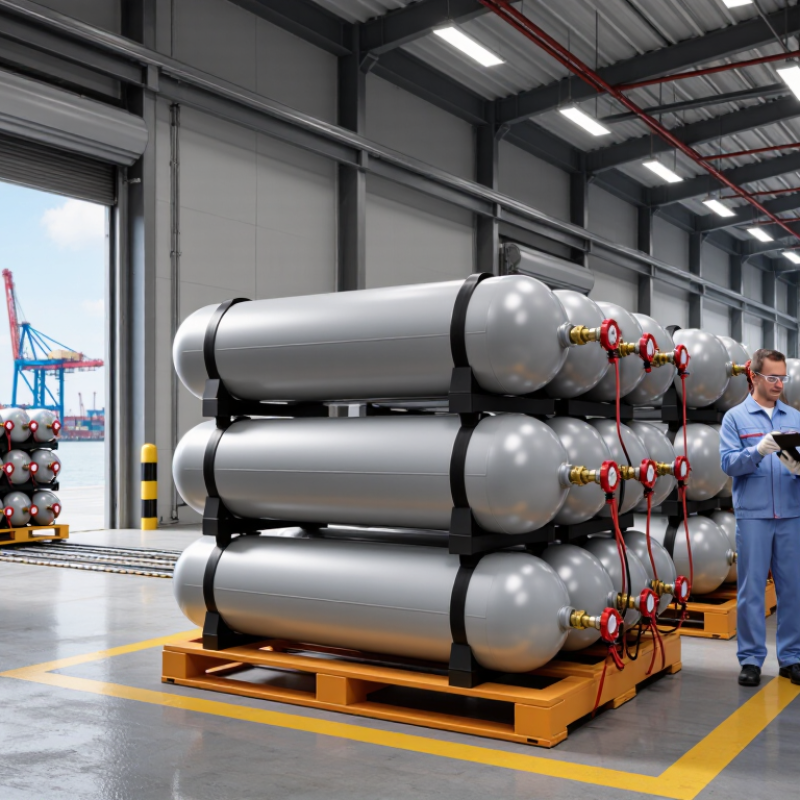
China’s carbon dioxide supply market is shaped by several supplier categories, not one uniform industry. Industrial gas producers commonly recover CO2 from ammonia, hydrogen, ethanol, and other chemical processes. Natural CO2 wells also support regional supply, especially where geology and transport infrastructure are favorable. The U.S. Geological Survey’s Mineral Commodity Summaries 2024 identifies recovered industrial gas and naturally occurring deposits as the main commercial sources.
Food-grade suppliers serve beverage carbonation, cold-chain storage, and modified-atmosphere packaging. Welding and metal fabrication require smaller cylinders or liquid deliveries. Larger users, including chemical plants and enhanced industrial processes, usually need bulk liquid CO2 with reliable tank logistics. The International Society of Beverage Technologists notes that beverage-grade CO2 requires controlled purity and contaminant testing, not just high concentration.
China’s market is highly regional. Supplier selection depends on source stability, purification equipment, cylinder management, and delivery distance. The China Statistical Yearbook shows China’s large chemical and manufacturing base, which helps explain the availability of by-product CO2. However, public data rarely separates merchant CO2 from internally consumed gas. That weakens direct supplier comparisons.
Buyers should request recent certificates, impurity limits, moisture results, and emergency supply plans. A low quoted price can hide longer delivery routes or weaker backup capacity. This is easy to underestimate. In practice, reliable supply often matters more than the first price sheet.
| Major Supplier Category | Primary Carbon Dioxide Source | Typical Product Forms | Common Buyer Applications | Typical Quality Focus | Supply Characteristics in China | Key Buyer Verification Points |
|---|---|---|---|---|---|---|
| Ammonia and Hydrogen Production Facilities | Carbon dioxide recovered from synthesis gas during ammonia or hydrogen production, commonly through purification and compression systems. | Liquid CO₂ Compressed gas Dry ice feedstock | Food and beverage carbonation, welding and shielding gas, water treatment, chemical processing, greenhouse enrichment, and dry ice production. | Purity, moisture, oxygen, carbon monoxide, sulfur compounds, hydrocarbons, odor, and food-contact compliance where applicable. | Often provides relatively continuous output because the source process operates as a large-scale chemical plant; availability depends on plant operating rates and regional demand. | Confirm recovery process, recent certificate of analysis, impurity limits, loading temperature, pressure, storage capacity, and delivery continuity. |
| Ethanol and Other Fermentation Facilities | Biogenic carbon dioxide released during fermentation of sugars or starch-based feedstocks and subsequently purified, dried, liquefied, or solidified. | Liquid CO₂ Dry ice | Beverage carbonation, food freezing, cold-chain logistics, modified-atmosphere packaging, and industrial applications. | Food-grade controls generally emphasize hydrocarbons, sulfur compounds, aldehydes, methanol, oxygen, moisture, taste, and odor. | Supply may be seasonal or linked to fermentation campaigns and feedstock economics; production is concentrated near relevant agricultural and biofuel-processing regions. | Check operating season, production continuity, food-grade testing, traceability, dry-ice conversion capacity, and emergency replenishment arrangements. |
| Natural Gas Processing and Refining Facilities | Carbon dioxide separated from natural gas or refinery process streams during gas purification and hydrocarbon processing. | Liquid CO₂ Compressed gas | Industrial blanketing, metal fabrication, chemical synthesis, oil and gas operations, water treatment, and selected food applications after additional qualification. | Hydrocarbon residues, sulfur compounds, moisture, oxygen, nitrogen, carbon monoxide, and odor are important control parameters. | Potentially stable where gas-processing operations are continuous, but the number of suitable locations is limited by feed-gas composition, purification economics, and transport distance. | Request detailed impurity analysis, confirmation of hydrocarbon removal, product-contact suitability, tank-trailer specifications, and regional delivery coverage. |
| Coal-Chemical and Syngas-Based Facilities | Recovered from coal gasification, methanol, synthetic natural gas, and other syngas-based chemical processes. | Liquid CO₂ Compressed gas | Industrial gas blending, chemical manufacturing, welding, enhanced process control, water treatment, and selected greenhouse applications. | Hydrogen sulfide, carbon monoxide, sulfur compounds, hydrocarbons, moisture, and particulate contamination require close monitoring. | Production is more prominent in regions with coal-chemical infrastructure; logistics can be challenging for coastal buyers because inland supply may require long-distance transport. | Evaluate purification technology, sulfur and carbon monoxide limits, plant reliability, transport route, storage requirements, and contingency supply. |
| Limestone Calcination and Mineral-Processing Plants | Carbon dioxide generated when calcium carbonate is heated to produce quicklime, followed by gas cleaning and recovery where economically justified. | Compressed gas Liquid CO₂ | Construction-related processing, mineral treatment, chemical use, pH control, and certain industrial applications. | Dust, sulfur oxides, nitrogen oxides, carbon monoxide, moisture, and process-related particulates are key quality concerns. | Availability depends on kiln design, fuel type, gas-cleaning systems, recovery investment, and local demand; not every lime plant produces saleable CO₂. | Verify whether the gas is commercially recovered, review cleaning stages, request particulate and acid-gas data, and confirm suitability for the intended end use. |
| Integrated Industrial-Gas Plants | Carbon dioxide recovered, purified, liquefied, stored, and distributed as part of a broader industrial-gas operation. | Liquid CO₂ Dry ice Gas cylinders | Food and beverage, welding, electronics support processes, laboratories, healthcare-related uses, refrigeration, and dry-ice applications. | Batch consistency, analytical testing, cylinder or tank cleanliness, traceability, pressure control, and compliance with the destination market’s requirements. | Usually offers broader packaging and distribution options, including bulk tanks, ISO tank containers, cylinders, and solid carbon dioxide, subject to local infrastructure. | Compare packaging options, minimum order quantity, tank and cylinder certification, loading procedures, export documentation, and after-sales technical support. |
| Regional Bulk Gas Distributors | Purchased CO₂ from one or more recovery plants and redistributed through storage tanks, cylinder filling stations, or dry-ice facilities. | Bulk liquid Cylinders Dry ice | Small and medium industrial users, restaurants, beverage producers, laboratories, welding workshops, cold-chain operators, and event-service providers. | Supplier traceability, container hygiene, refill accuracy, pressure safety, delivery reliability, and documentation consistency. | Can improve access in areas without a nearby recovery plant, but pricing and supply stability are sensitive to upstream allocation and transportation costs. | Identify the original production source, confirm chain-of-custody records, check storage duration, review delivery performance, and clarify liability for rented equipment. |
| Dry-Ice Manufacturers | Liquid carbon dioxide expanded through controlled pressure reduction and compacted into blocks, pellets, slices, or nuggets. | Blocks Pellets Slices | Food and pharmaceutical cold-chain shipping, blast cleaning, laboratory transport, special effects, and temperature-controlled logistics. | Purity of the incoming liquid CO₂, sublimation rate, residual contamination, particle size, packaging cleanliness, and production freshness. | Dry ice continuously sublimates and therefore requires rapid dispatch, insulated packaging, ventilation, and coordinated delivery schedules. | Confirm production-to-dispatch time, net weight at handover, packaging design, ventilation instructions, allowable transit time, and replenishment capability. |
| Cylinder-Filling and Specialty-Gas Suppliers | Bulk liquid carbon dioxide or purified compressed gas filled into cylinders or small transportable containers. | Gas cylinders Siphon cylinders Small liquid containers | Welding, laboratories, beverage dispensing, aquaculture, plant research, maintenance, and small-scale manufacturing. | Filling ratio, cylinder inspection status, valve compatibility, moisture, purity, labeling, and safe handling instructions. | Suitable for buyers with low or intermittent consumption; delivered cost per unit is generally higher than bulk-tank supply because of packaging and handling. | Check cylinder standards, hydrostatic-test dates, valve type, filling quantity, dangerous-goods documentation, and return or exchange terms. |
Major sources include ammonia, ethanol fermentation, natural-gas processing, hydrogen, steel, and cement plants. Their gas streams differ in purity and purification cost. Data can mislead.
No. High steel and cement output indicates potential gas sources, not guaranteed merchant supply. Flue gas contains nitrogen, oxygen, moisture, and trace impurities. Potential is not inventory.
Request the plant location, gas source, annual capacity, batch records, and purification details. Also request pressure data, cylinder inspection dates, and emergency procedures. Evidence matters.
Check purity, moisture, carbon monoxide, sulfur compounds, and hydrocarbons. Compare results with the required application standard. “High purity” is vague.
Compare monthly output, storage capacity, loading records, vessel turnaround, and maintenance planning. Fertilizer shutdowns can reduce local availability. Seasonal beverage demand may also change delivery schedules. Cheap supply may fail.
Inspect valve seals, labels, cylinder condition, and temperature records upon arrival. Confirm customs documents and independent laboratory results. Photographs help, but they are not proof.
No. Beverage applications and calcium-oxide reactions require separate specifications. Moisture control matters because calcium oxide reacts strongly with carbon dioxide. Handling procedures should be written clearly.
Check the certificate scope, issuing body, expiration date, and covered production site. Verify validity directly through official records. Paperwork can look perfect. It may still be irrelevant.
Review purity, pressure, storage temperature, transport distance, and backup capacity together. A nearby supplier may still lack emergency stock. Distance is not everything.
A trial shipment is safer before a long-term agreement. Test consistency, documentation, delivery timing, and corrective-action speed. Leave room for doubt.
China’s Carbon Dioxide supply market serves a wide range of industries, including food and beverage, healthcare, manufacturing, water treatment, and industrial processing. This overview explains the main production sources, such as natural gas processing, chemical manufacturing, fermentation, and other industrial recovery methods. It also introduces major supplier categories and outlines how global buyers can assess production capacity, technical expertise, quality systems, reliability, and export experience before making a purchasing decision.
The article reviews product grades, purity specifications, testing documentation, and packaging options, including cylinders, tanks, and bulk delivery systems. It also discusses export procedures, quality compliance, labeling, shipping conditions, storage safety, delivery planning, and communication requirements. By comparing supplier capabilities, certifications, product consistency, logistics arrangements, and after-sales support, international buyers can identify a suitable Chinese supplier and establish a stable, transparent, and compliant Carbon Dioxide procurement process.