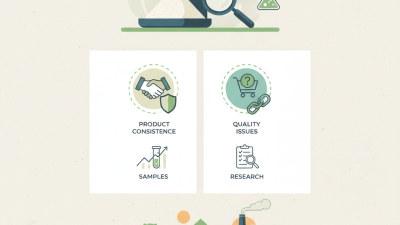
The 2026 Calcium Carbide market isn’t just about the sticker price—it’s shaped by a bunch of things like energy costs, the quality of raw materials, production capacity, and regional freight charges. Yeah, a low headline price is nice, but buyers really need to dig deeper. Things like purity levels, particle size, packaging options, delivery terms, and tech support are just as important.
In this guide, I’ve put together some of the top Calcium Carbide suppliers and broken down what influences their pricing. When you’re comparing offers, be sure to check current documents—stuff like recent Certificates of Analysis, Safety Data Sheets, batch numbers, and clear export paperwork. It’s also smart to look at the supplier’s experience—they should have solid production controls for lime, coke, furnace temperatures, and moisture levels because all that stuff impacts gas yield and overall product quality.
Prices in 2026 can vary quite a bit depending on whether you're dealing with local contracts, spot buys, or international shipments. Remember, FOB, CIF, and delivered prices aren’t always the same, and container availability can really shake up the final cost. A quote that sounds great might actually exclude things like port charges, special packaging, inspection fees, or insurance—that’s easy to overlook if you’re not careful.
And don’t forget, it’s worth looking at the reliability of the supplier over multiple shipments. Ask about their production capacity, lead times, how they handle complaints, and what kind of storage advice they give. Sometimes, sending samples for independent testing can really help, especially if there’s a noticeable difference in quality that could impact your operations later on.
Keep in mind, though, this comparison isn’t foolproof. Market conditions change fast, and published prices might lag behind real negotiations. So, always double-check every quote with the supplier before you commit, and make sure you follow all safety, transport, and environmental rules. It’s a lot, but doing your homework pays off in the end.
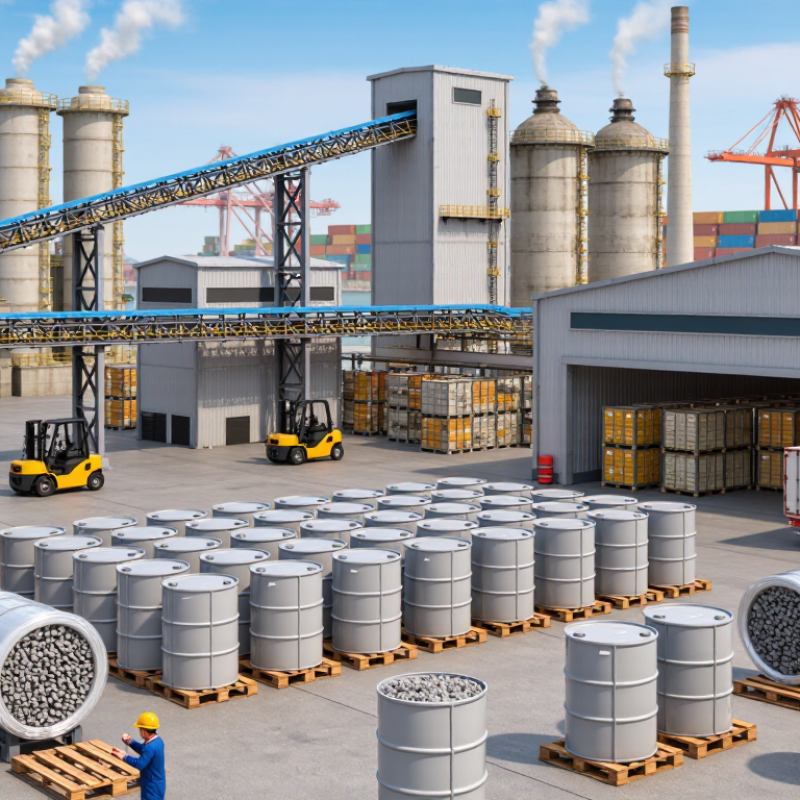
Calcium Carbide Defined: CaC₂, 64.10 g/mol, and 2,300°C Melting Point
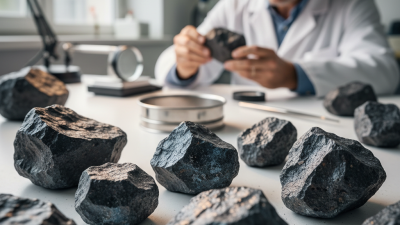
Calcium carbide, written as CaC₂, is an industrial compound with a molar mass of 64.10 g/mol. Its reported melting point is approximately 2,300°C, showing why ordinary processing equipment is unsuitable. In practice, calcium carbide often appears as gray or dark, irregular lumps. It reacts strongly with moisture and releases acetylene gas, so dry handling and sealed packaging matter.
Calcium Carbide Uses include acetylene generation, metallurgical treatment, and selected chemical manufacturing processes. Quality depends on carbide content, particle size, gas yield, and impurity levels. When comparing suppliers and prices in 2026, request a current certificate of analysis, production date, packing details, and moisture-control information. A low quoted price may hide lower gas yield or excessive fines. That difference becomes expensive during actual use.
Tips: Store the material in a cool, dry, ventilated area, away from water and incompatible chemicals. Inspect bags or drums for damage before acceptance. Ask for test results from an independent laboratory when the specification seems vague. One practical concern is often overlooked: transport humidity can change product performance before delivery. Supplier reviews help, but documented batch data is more reliable.
2026 Supply Landscape: China, India, Uzbekistan, and Regional Traders
China remains the largest calcium carbide supply base, supported by coal, lime, and established electric-arc furnace capacity. UN Comtrade data under HS 284910 shows China as a major exporter, although reported values vary by destination and year. Chinese export offers often depend on 50–80 mm
Calcium Carbide Stone,
drum type, gas yield, and FOB loading location. Energy costs remain decisive. The product is power-intensive.
India serves a strong domestic market, especially for acetylene, welding, and chemical production. Export availability can tighten when local demand rises. Uzbekistan is gaining attention because of expanding industrial capacity and access to regional buyers across Central Asia. Its logistics may be shorter than China’s for nearby destinations, but production consistency requires careful verification. Supplier visits and recent test certificates matter more than a low opening quote.
Regional traders in Türkiye, the Gulf, and South Asia can provide mixed-origin cargo, smaller lots, and flexible delivery. Their prices usually include storage, inland transport, financing, and port handling. ITC Trade Map and UN Comtrade are useful for checking trade direction, but they do not provide a complete spot-price picture. S&P Global market assessments and local customs data can improve benchmarking. Still, published numbers may lag actual negotiations. Buyers should compare calcium yield, impurity limits, packaging, payment terms, and CFR or FOB conditions before choosing a supplier. Mistakes happen when “cheap” material produces less usable gas.
Commercial Grade Benchmarks: 80–85% CaC₂ and 260–300 L/kg Acetylene
Commercial buyers should judge Calcium Carbide Powder by usable output, not only by quoted tonnage. Commercial-grade material commonly contains 80–85% CaC₂ and produces about 260–300 L/kg of acetylene under standard testing conditions. These figures align with technical ranges reported in industrial safety and chemical engineering references.
The gap matters. At 80% CaC₂, a shipment may approach the lower gas-yield range. At 85%, it can perform closer to 300 L/kg, if impurities and moisture remain controlled. U.S. Geological Survey mineral reporting emphasizes that energy costs, coke quality, and electricity availability strongly influence carbide economics. Prices therefore vary by origin, furnace efficiency, packaging, and delivery terms.
Public UN Comtrade data under HS 2849.10 can help compare declared import values, although it does not represent a clean spot-price index. Industry assessments from chemical market reporting services also show that freight and power costs can move offers quickly. A realistic purchasing check should compare price per effective kilogram of acetylene, not price per kilogram of product. Small detail. Moisture can quietly damage the calculation. Buyers should request recent assay results, gas-yield testing, particle-size data, and sealed packaging details. The 260–300 L/kg benchmark is useful, but not absolute; testing methods and operating conditions may differ. That uncertainty deserves attention.
Commercial-grade calcium carbide is commonly benchmarked by CaC₂ content and acetylene yield. The reference range shown here is 80–85% CaC₂ with approximately 260–300 L/kg acetylene output. Actual supplier quotations vary by region, packaging, order volume, freight, and testing requirements.
2026 Price Bands: FOB, CFR, Spot, and Contract Pricing in USD per Ton
In 2026, calcium carbide pricing depends on purity, particle size, packaging, and delivery terms. Indicative FOB prices commonly range from USD 380 to 560 per ton. Higher-grade material, tested for consistent gas yield, may exceed USD 600. These figures are working ranges, not guaranteed quotations.
CFR pricing often falls between USD 440 and 650 per ton, depending on port distance, freight, insurance, and seasonal vessel costs. Spot cargoes can reach USD 500–720 per ton when supply tightens or buyers need prompt delivery. Contract prices are usually steadier, around USD 360–520 per ton, with quarterly adjustments tied to electricity, coke, and transport expenses. Small lots usually carry a noticeable premium.
Check the specification carefully.
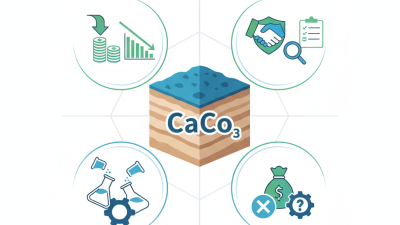
A serious supplier should provide recent test results, moisture data, packaging details, and a clear inspection process. Calcium carbide is not Calcium Carbonate Calcium; the names are sometimes confused in purchase requests. Buyers should confirm the chemical identity before comparing offers. In my view, quoted prices without shipment month and loading port are incomplete. Even CFR numbers can mislead when discharge charges remain unclear. I would also question unusually cheap cargoes, although low prices do not always indicate poor quality. A practical comparison should record grade, size range, payment terms, delivery window, and independent inspection costs. Market conditions can change faster than annual contracts expect.
Top-Supplier Scorecard: Capacity, Purity, Packaging, Lead Time, and FOB Terms
2026 Top Calcium Carbide Suppliers and Prices
A reliable supplier scorecard should compare capacity, purity, packaging, lead time, and FOB terms together. Capacity is more than a stated annual figure. Ask for monthly output, available allocation, and recent shipment records. A supplier with stable production may offer better price consistency than one quoting the lowest spot price.
Purity should match your process, not merely the headline percentage. Request a recent certificate of analysis showing calcium carbide content, gas yield, particle size, and moisture control. Packaging deserves equal attention. Moisture-resistant steel drums or sealed containers can reduce degradation during storage and ocean transport. Confirm net weight, pallet design, labeling, and inspection procedures before payment. Lead times should include production, testing, and port handling. Delays often begin before the cargo reaches the terminal. FOB quotations must name the loading port and state the Incoterms version. Compare the product price separately from inland charges, terminal fees, insurance, and ocean freight.
Tips: Build a weighted scorecard before requesting prices. For example, assign higher scores to verified purity and dependable lead times. Ask for two or three quotations using identical specifications. Prices can change with order size, energy costs, seasonality, and port conditions. A spreadsheet helps, but it is not perfect. One overlooked packaging detail may erase a small price advantage. Keep written records of samples, inspection results, and agreed shipment tolerances.
2026 Price Drivers: Coke, Lime, Electricity, Freight, and Carbon Costs
2026 Top Calcium Carbide Suppliers and Prices?
Calcium carbide prices in 2026 will depend heavily on coke, lime, electricity, freight, and carbon costs. Coke provides carbon for the furnace reaction, while lime controls the calcium input. Small quality changes can affect yield, residue, and final pricing. Buyers should request recent laboratory results, not rely only on a supplier’s specification sheet.
Electricity remains a major expense because carbide production uses high-temperature electric furnaces. Regions with stable power contracts may offer more consistent prices. However, unexpected grid restrictions can quickly change quotations. Freight adds another variable. Bulk material needs suitable packaging, dry storage, and careful handling during long-distance transport. Port congestion or fuel surcharges may become visible only after the initial offer.
Carbon costs are becoming more important in supplier comparisons. Producers with higher emissions may face additional reporting or compliance expenses. These costs can enter the delivered price gradually. A practical 2026 quotation should show product grade, packaging, payment terms, delivery basis, and validity period. Ask for at least two comparable offers. Otherwise, the cheapest number may be misleading. I have seen procurement models overvalue the base price and underestimate inland transport. That mistake is easy to repeat. Supplier reliability also deserves a measurable review, including shipment accuracy, response time, and batch consistency. Forecasts remain uncertain, especially when energy markets move sharply.
2026 Top Calcium Carbide Suppliers and Prices? - 2026 Price Drivers: Coke, Lime, Electricity, Freight, and Carbon Costs
| Supplier Category |
Main Supply Region |
Typical Grade |
Typical Particle Size |
Indicative 2026 Price
(USD per metric ton) |
Common Delivery Basis |
Best-Suited Buyer |
| Large integrated producer |
China and Central Asia |
CaC2 295–305 L/kg gas yield |
4–15 mm |
430–620 |
FOB production region |
High-volume industrial users |
| Regional merchant supplier |
East and Southeast Asia |
CaC2 285–300 L/kg gas yield |
7–15 mm |
520–760 |
CFR major Asian port |
Medium-size acetylene users |
| Export-oriented producer |
North America and Mexico |
CaC2 285–305 L/kg gas yield |
4–25 mm |
780–1,150 |
FCA or delivered regional warehouse |
North American industrial buyers |
| European distribution supplier |
Europe and Mediterranean import hubs |
CaC2 285–300 L/kg gas yield |
7–15 mm |
850–1,300 |
Delivered duty-unpaid or warehouse |
Small and regulated end users |
| Specialty low-impurity supplier |
Asia, Europe, and North America |
CaC2 300–305 L/kg gas yield |
1–4 mm or screened grade |
900–1,450 |
Delivered in sealed drums or approved containers |
Laboratory and high-specification applications |
2026 Calcium Carbide Price Driver Dashboard
| Cost Driver |
Approximate Share of Cash Cost |
Typical 2026 Reference Range |
Price Impact Mechanism |
Sensitivity |
| Electricity |
25%–40% |
65–95 MWh per metric ton of CaC2; industrial power commonly USD 35–100/MWh |
The electric-arc furnace is highly power intensive; higher tariffs directly increase conversion cost. |
Very high |
| Petroleum coke and calcined carbon |
15%–25% |
Approximately 0.60–0.70 metric ton of carbon material per metric ton of CaC2
|
Refinery operating rates, sulfur specifications, calcination costs, and competing carbon demand affect input prices. |
High |
| Quicklime |
15%–25% |
Approximately 0.95–1.10 metric tons of CaO per metric ton of CaC2
|
Limestone quality, kiln fuel, local availability, and lime reactivity influence yield and consumption. |
High |
| Ocean, rail, and inland freight |
8%–20% of delivered price |
Typically USD 70–350 per metric ton, depending on distance, route, container availability, and hazardous-goods handling |
Long-haul freight, port congestion, insurance, and special handling can widen the gap between FOB and delivered prices. |
High for importers |
| Carbon compliance and emissions costs |
0%–10% currently; higher where regulated |
Varies by jurisdiction, emissions intensity, allocation rules, and applicable border measures |
Carbon-intensive electricity and lime production can create additional compliance, reporting, or border-adjustment costs. |
Medium to high |
| Packaging, screening, and safety handling |
3%–8% |
Higher for small particle sizes, sealed drums, moisture control, and dangerous-goods transport |
Calcium carbide reacts with moisture, so dry storage, sealed packaging, testing, and compliant handling are essential. |
Medium |
Data note: Price ranges are indicative 2026 planning benchmarks in USD per metric ton for commercial calcium carbide and are not firm quotations. Actual prices vary with purity, gas yield, particle size, packaging, contract volume, Incoterms, destination, taxes, duties, hazardous-goods requirements, and moisture-control procedures. Calcium carbide must be stored and transported in dry, approved packaging because it releases flammable acetylene when exposed to water or moisture.
Conclusion
This 2026 guide provides a practical overview of the Calcium Carbide market, beginning with its chemical identity as CaC₂, a molecular weight of 64.10 g/mol, and a melting point of approximately 2,300°C. It reviews the evolving supply landscape across China, India, Uzbekistan, and regional trading hubs, helping buyers understand production concentration, export availability, and regional sourcing options. Commercial-grade benchmarks are also explained, including typical CaC₂ purity of 80–85% and acetylene yields of about 260–300 liters per kilogram.
The article compares 2026 pricing structures in USD per ton across FOB, CFR, spot, and contract arrangements. A supplier scorecard evaluates production capacity, purity consistency, packaging, lead times, and FOB flexibility. It also examines the main factors influencing prices, including petroleum coke, lime, electricity, freight, and carbon-related costs, giving purchasers a clearer framework for evaluating quotations and managing procurement decisions.